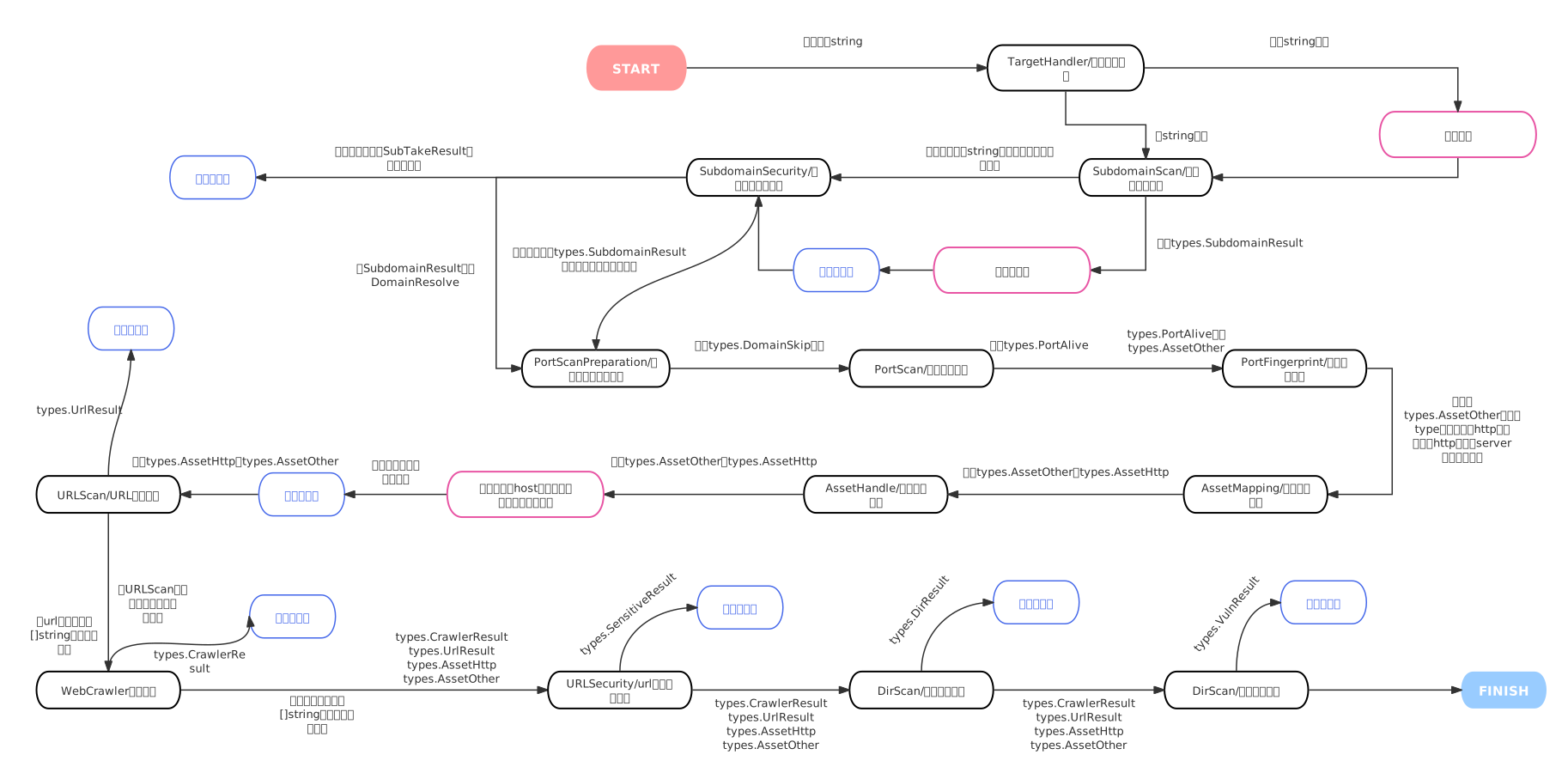
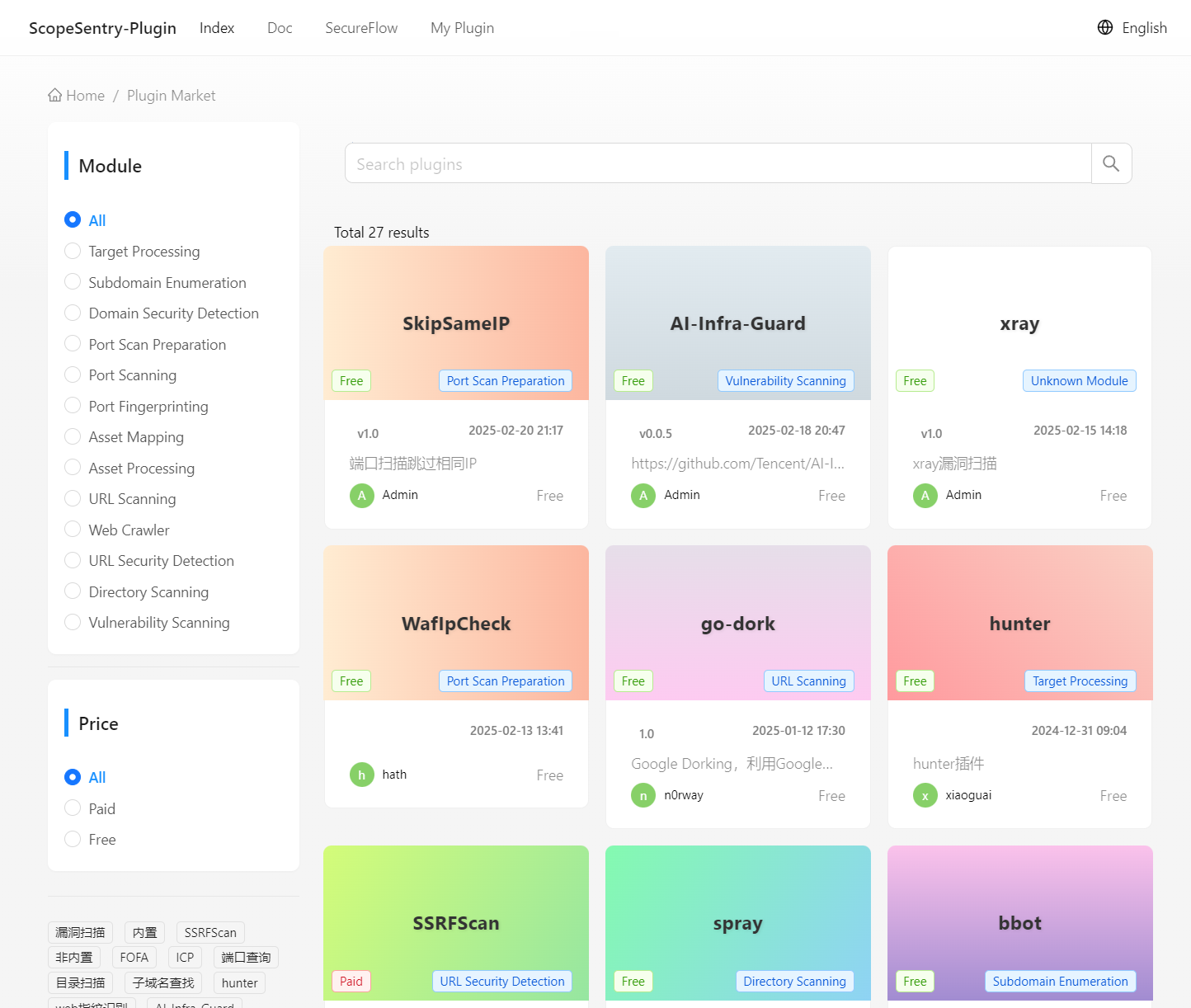
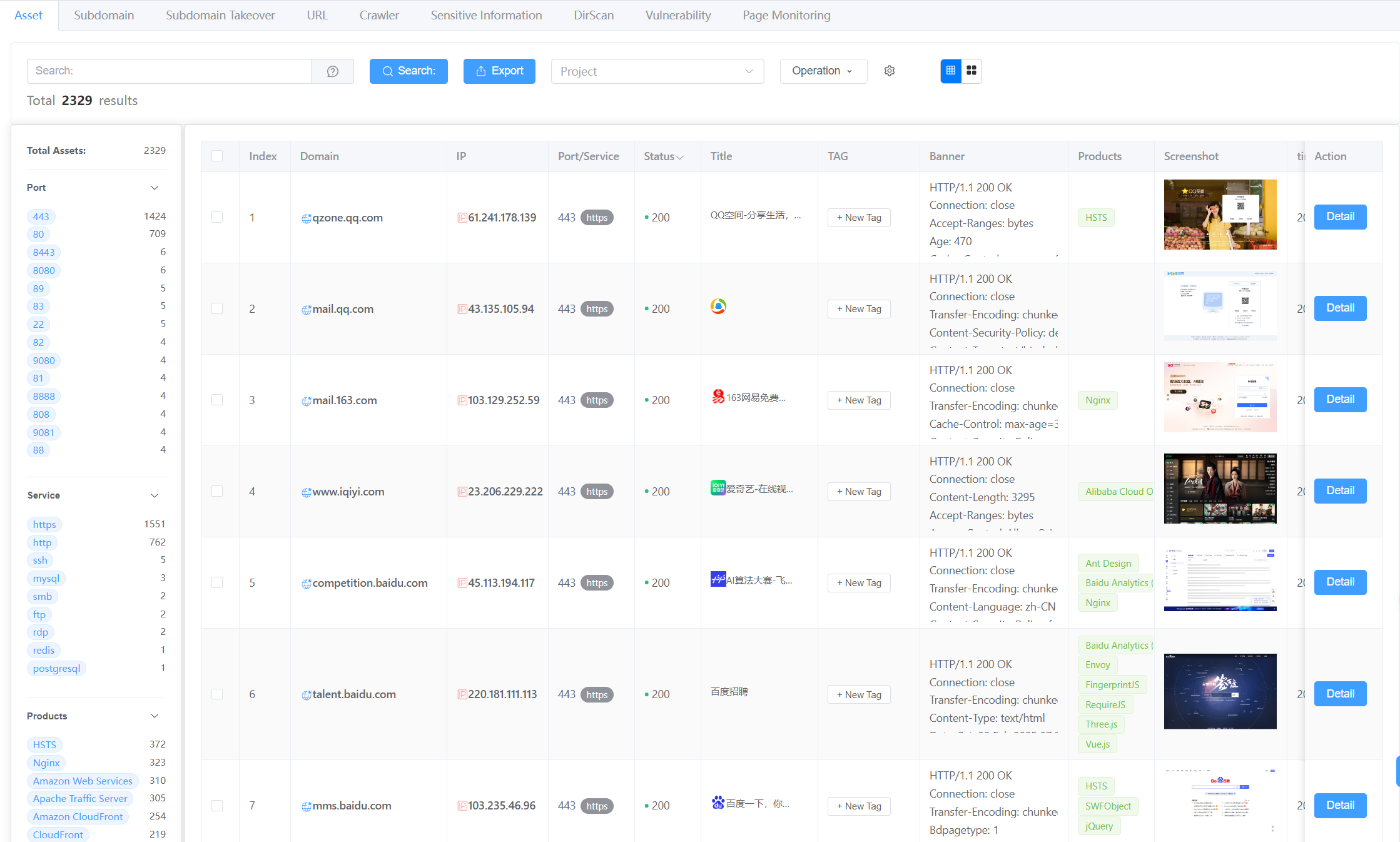
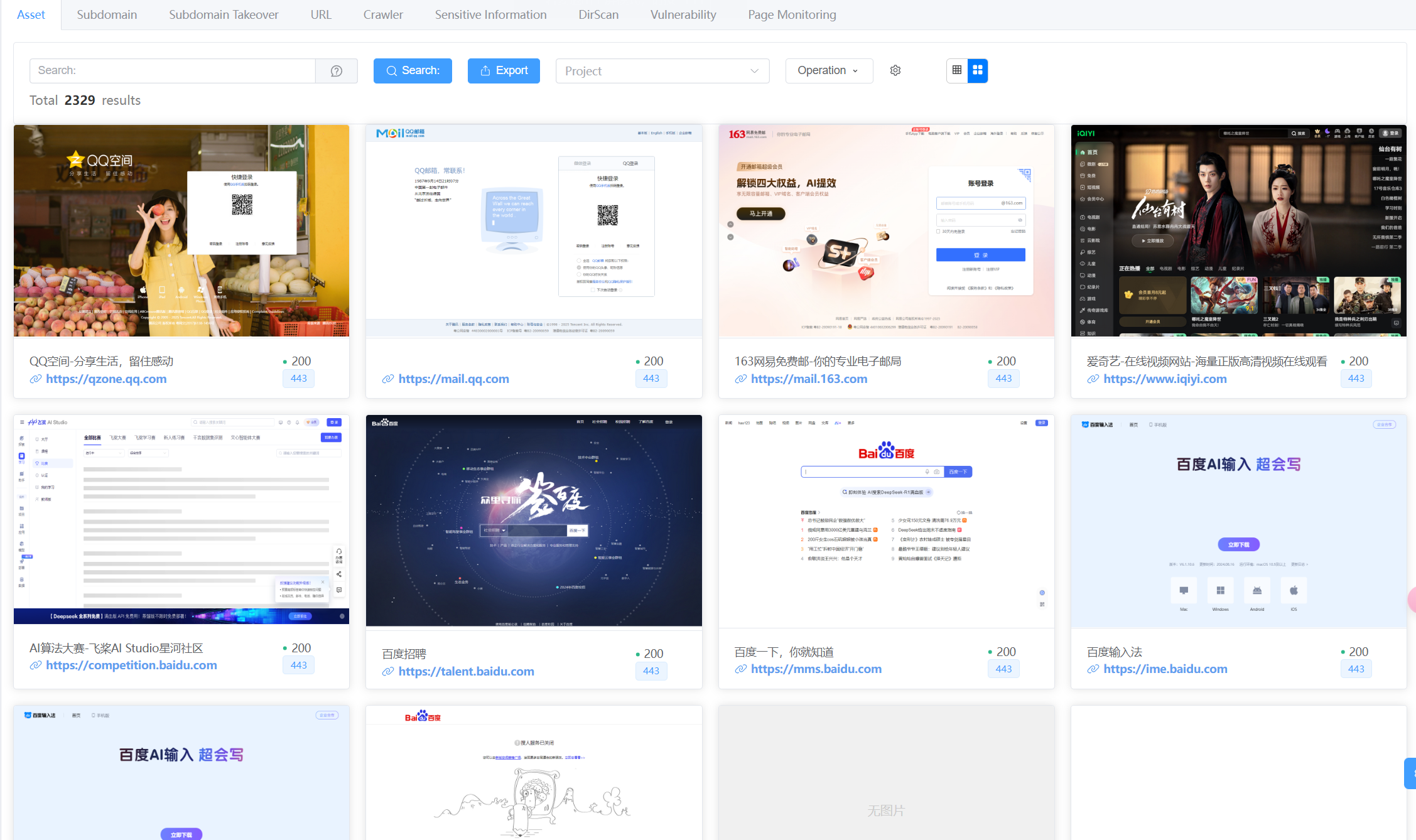
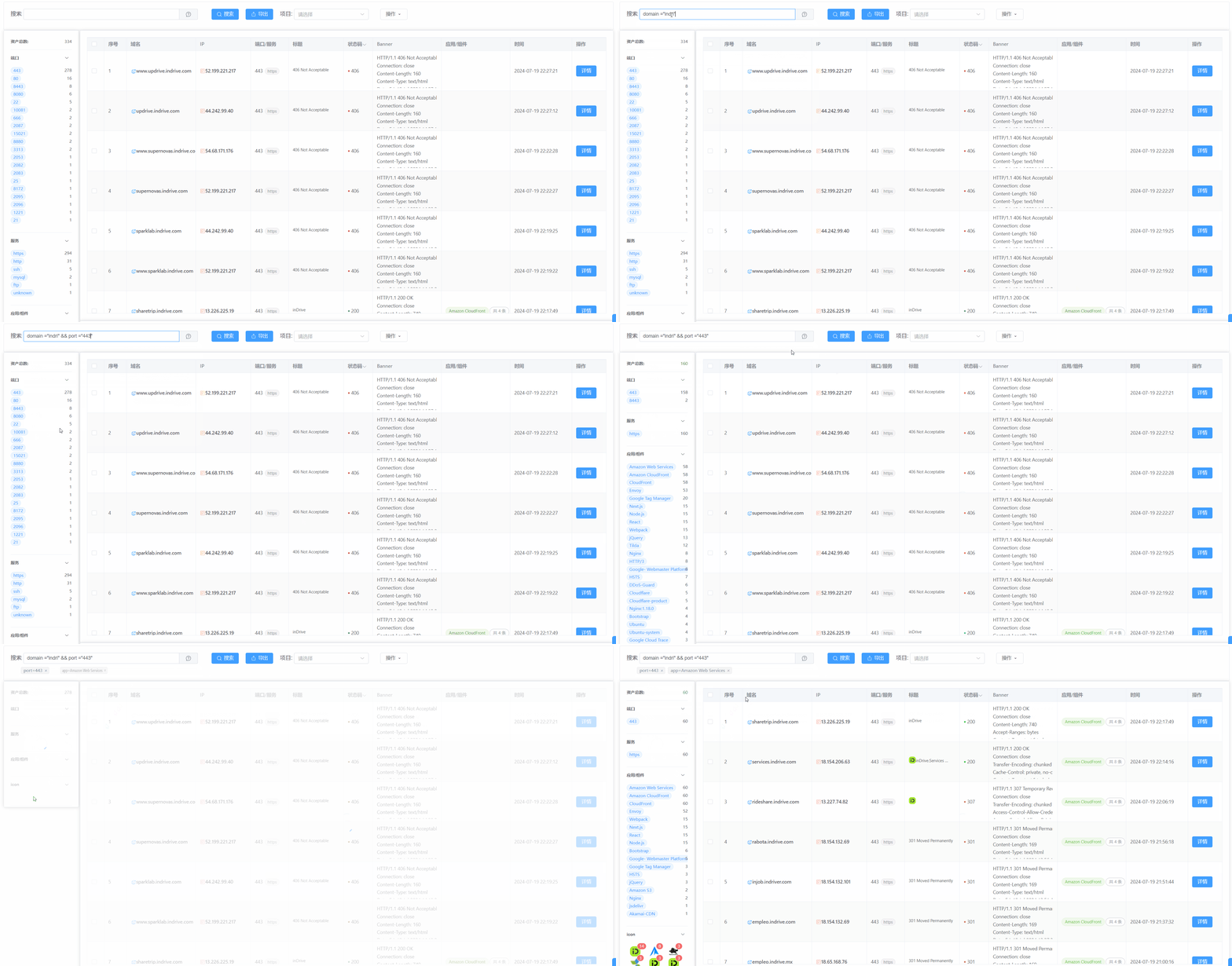
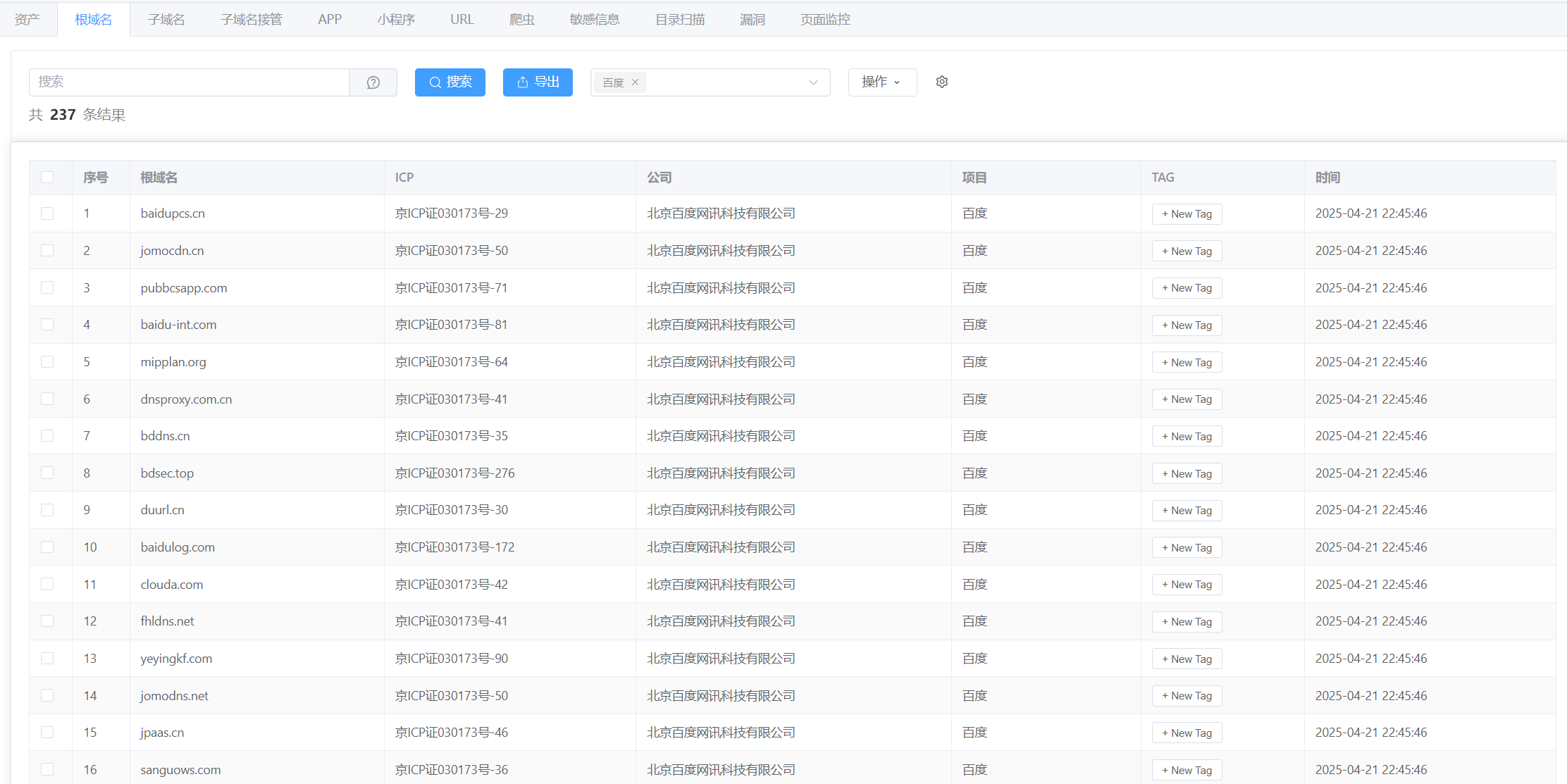
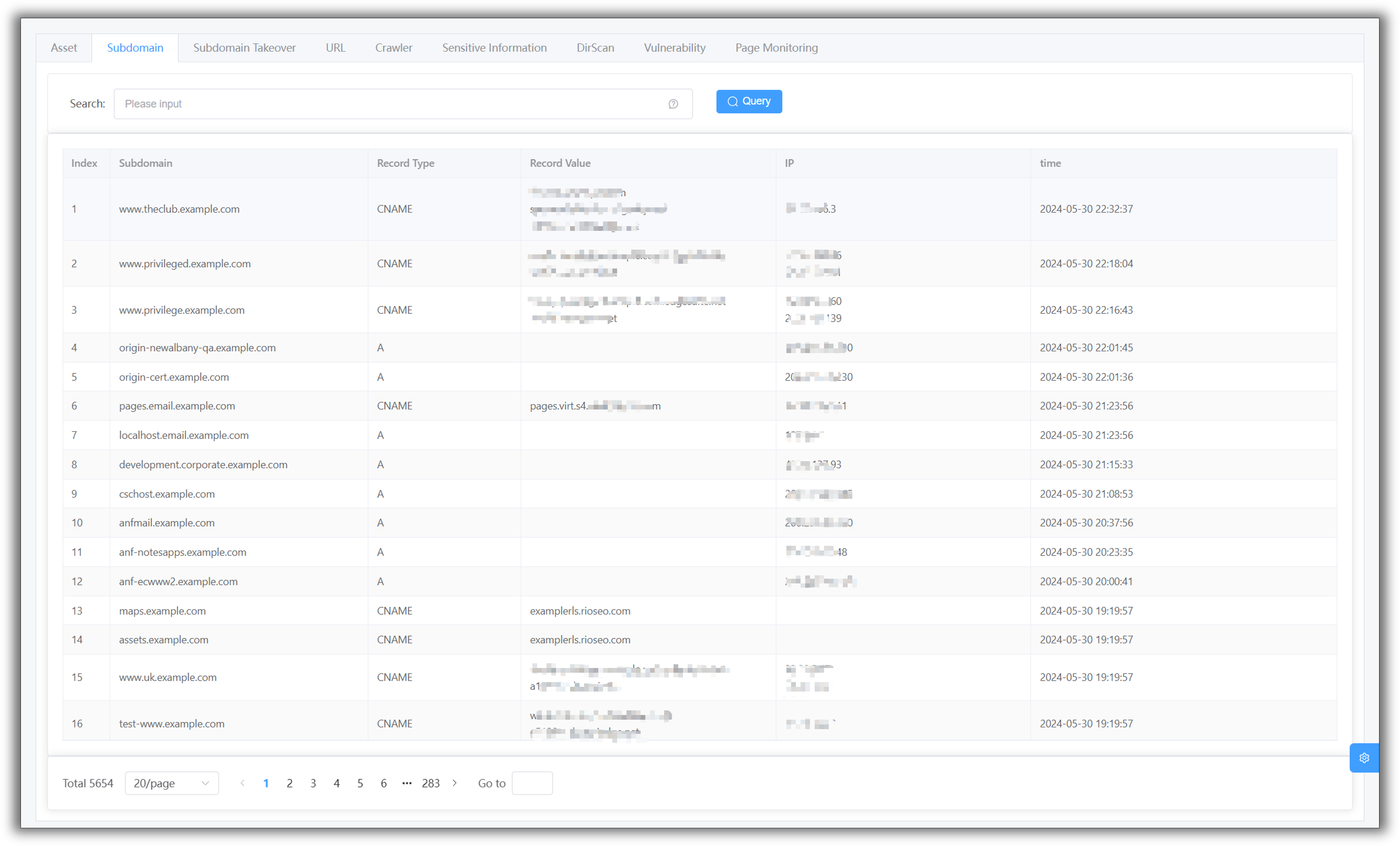
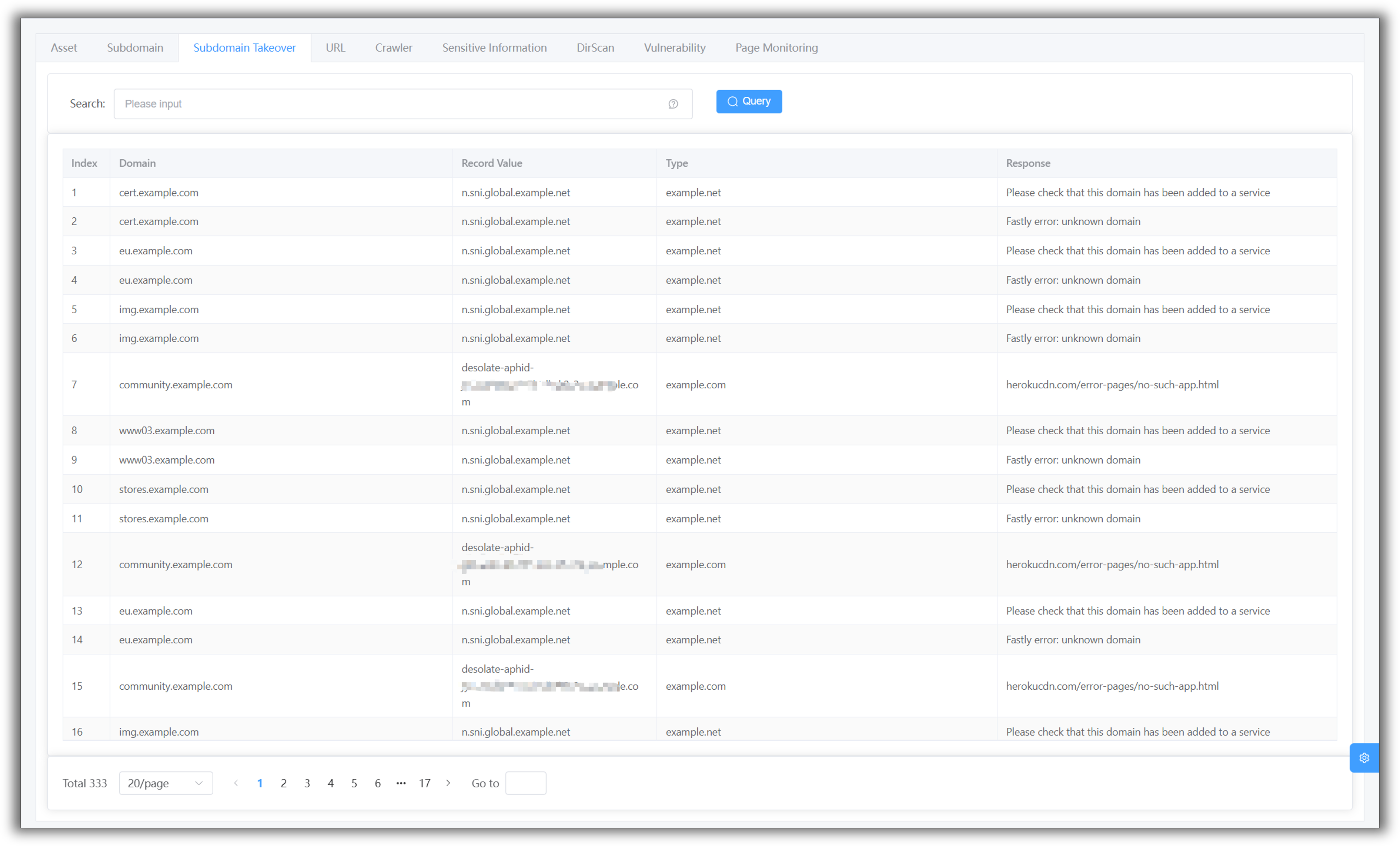
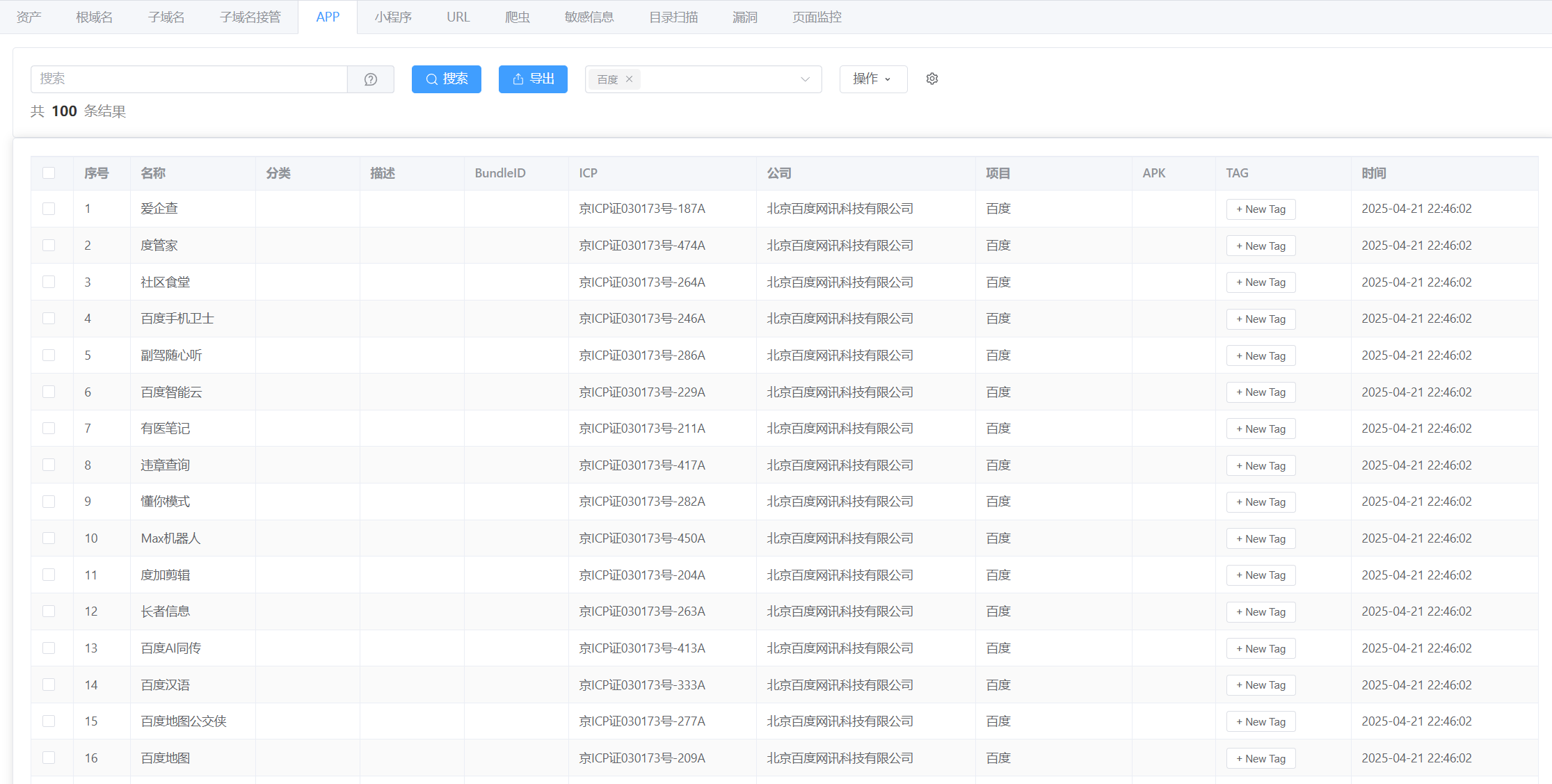
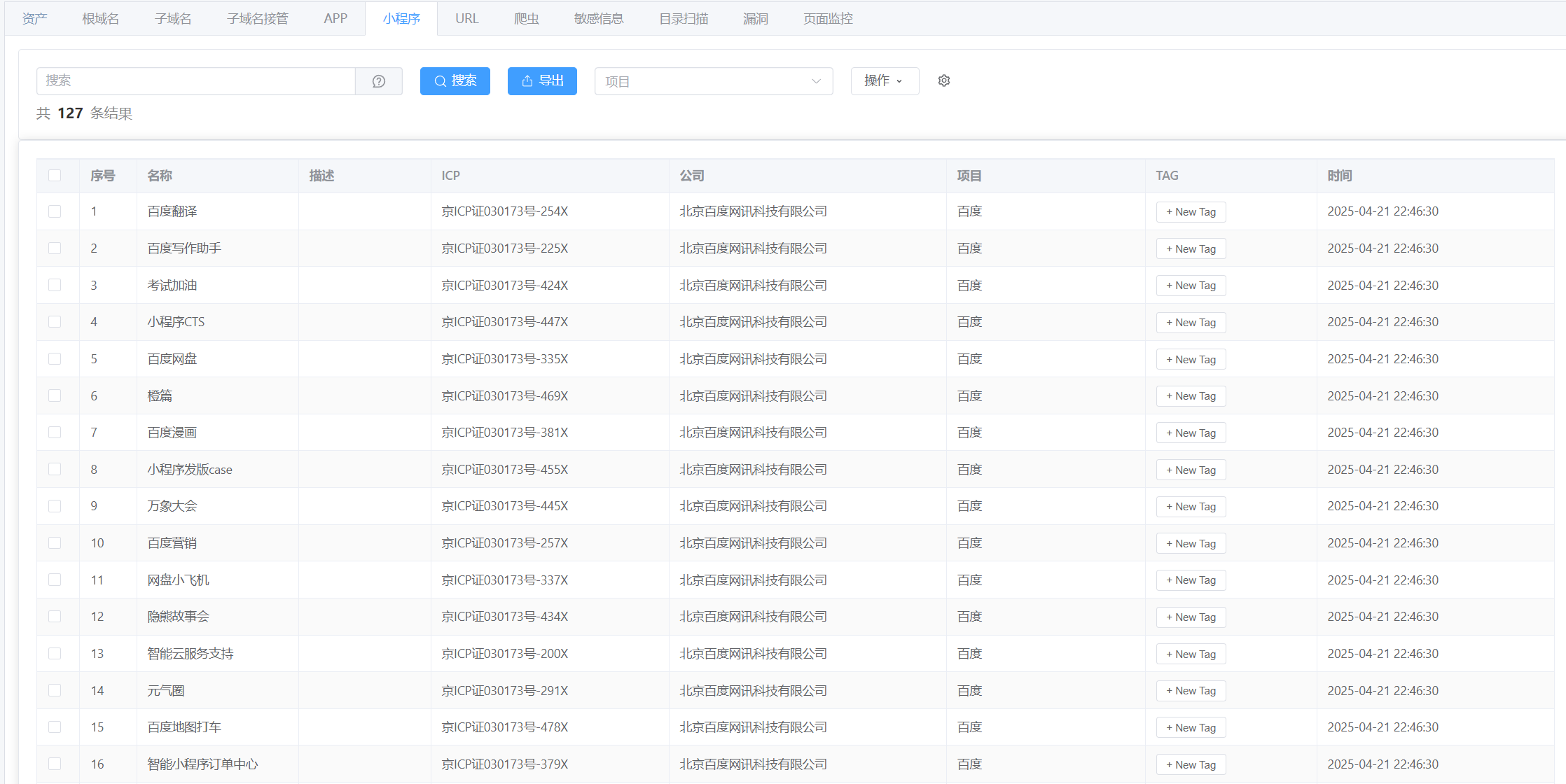
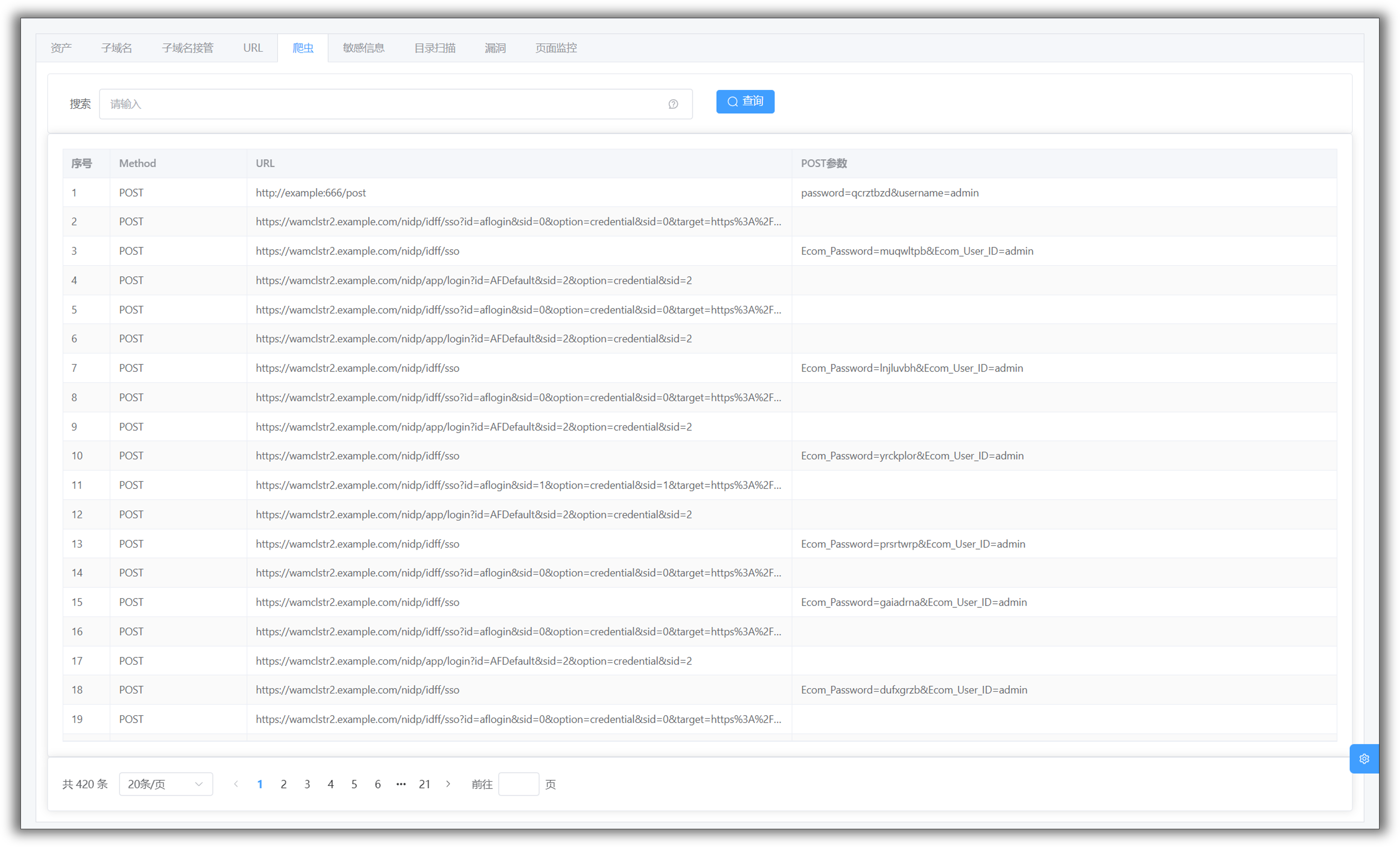
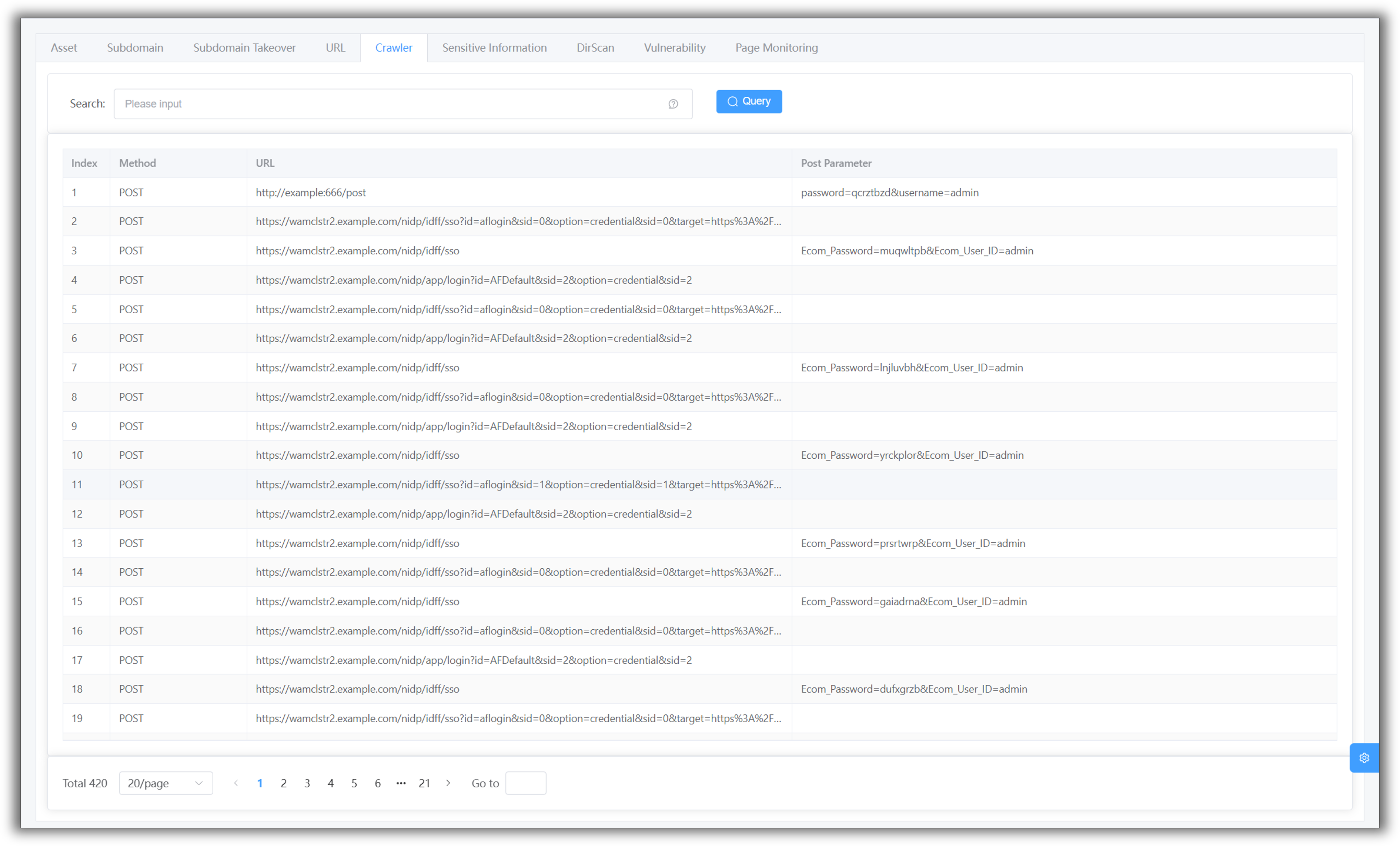
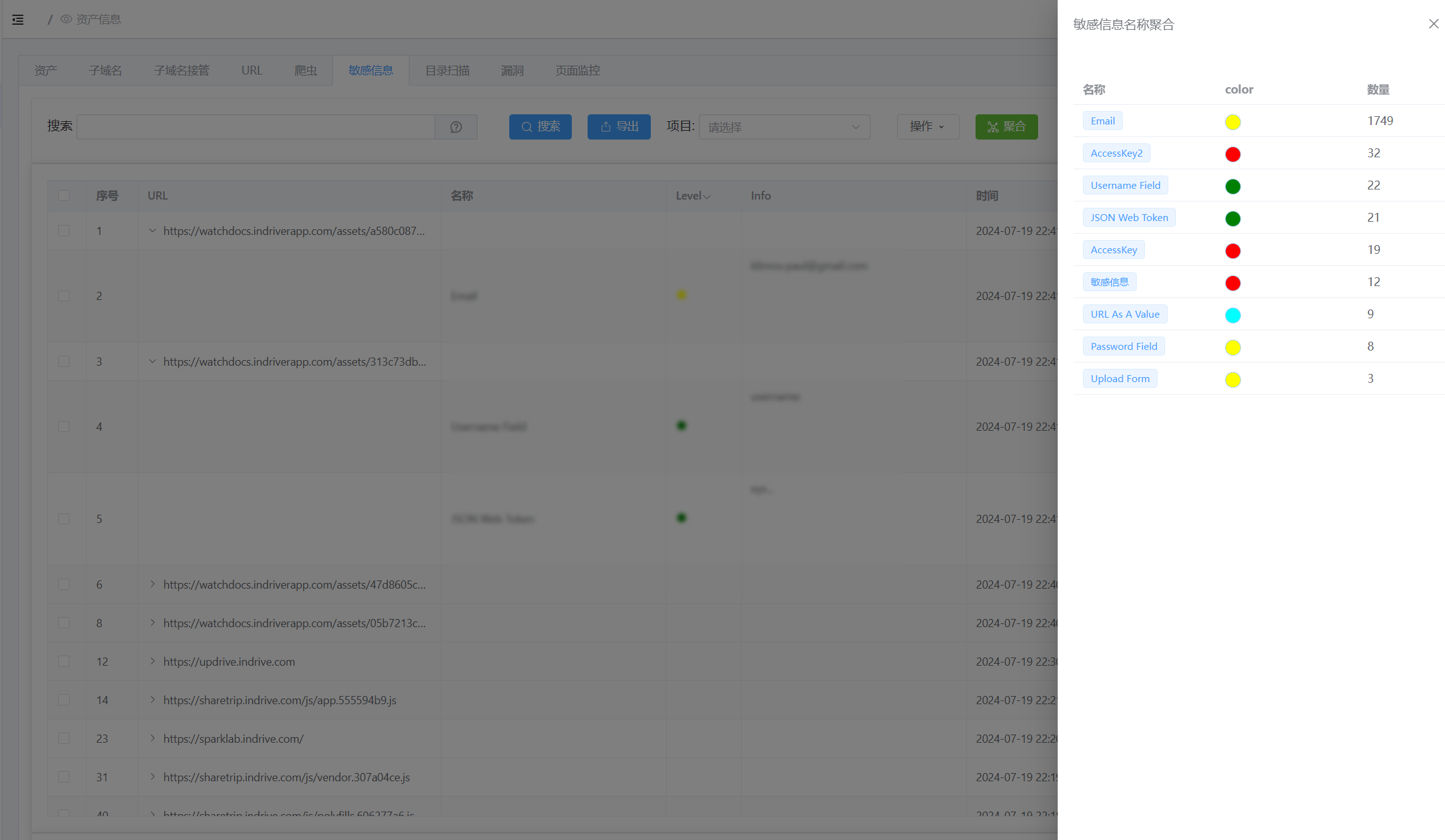
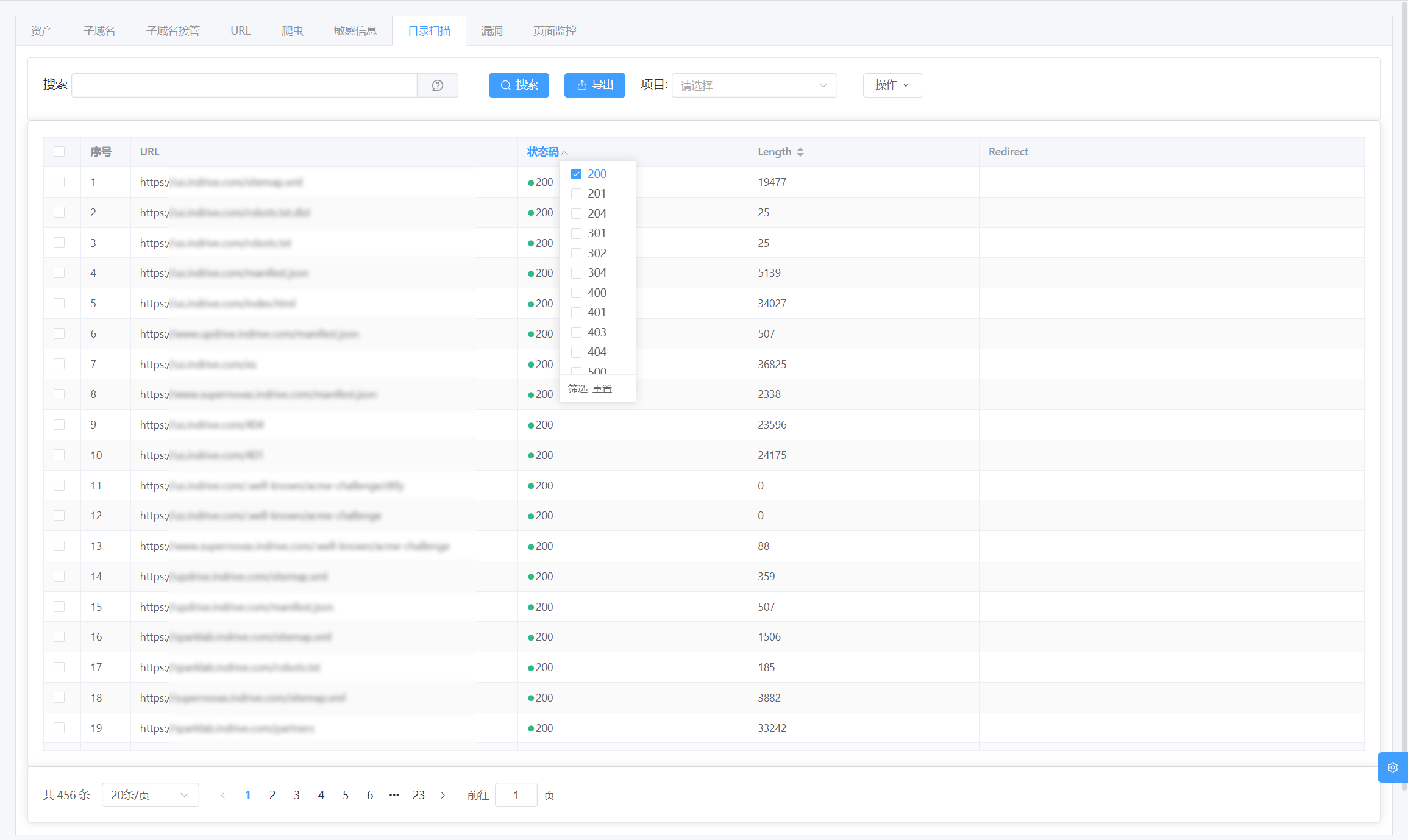
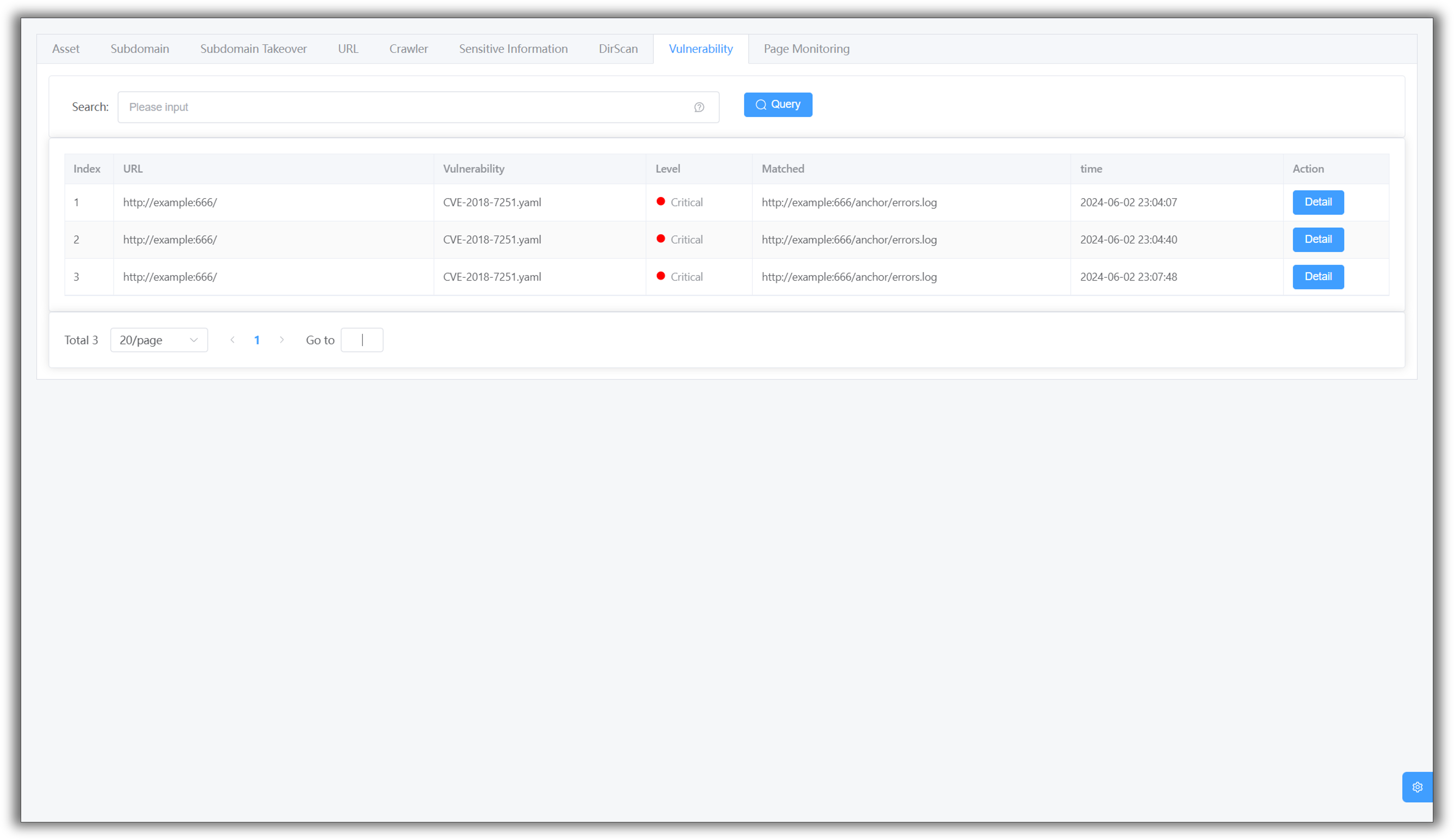
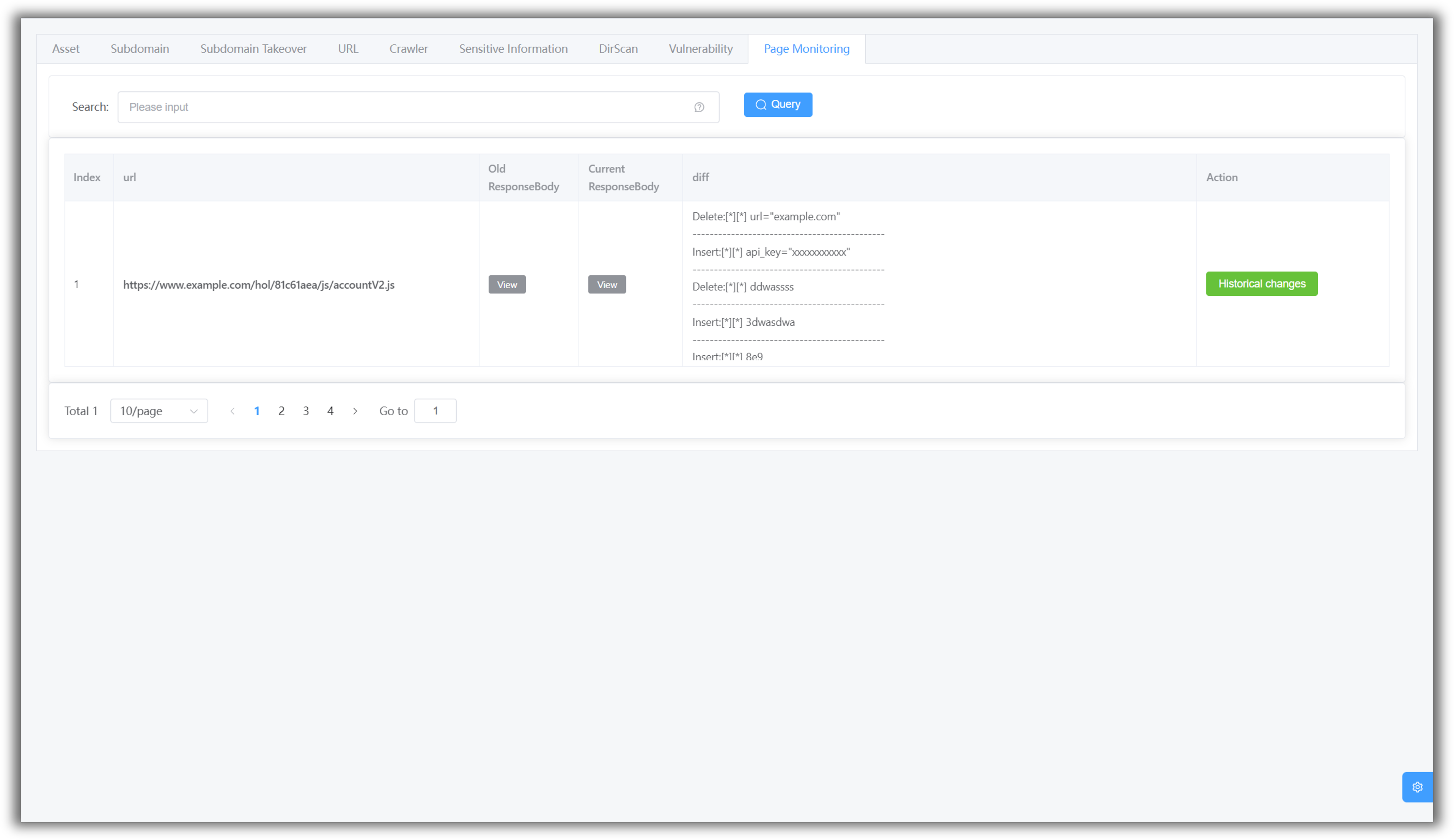
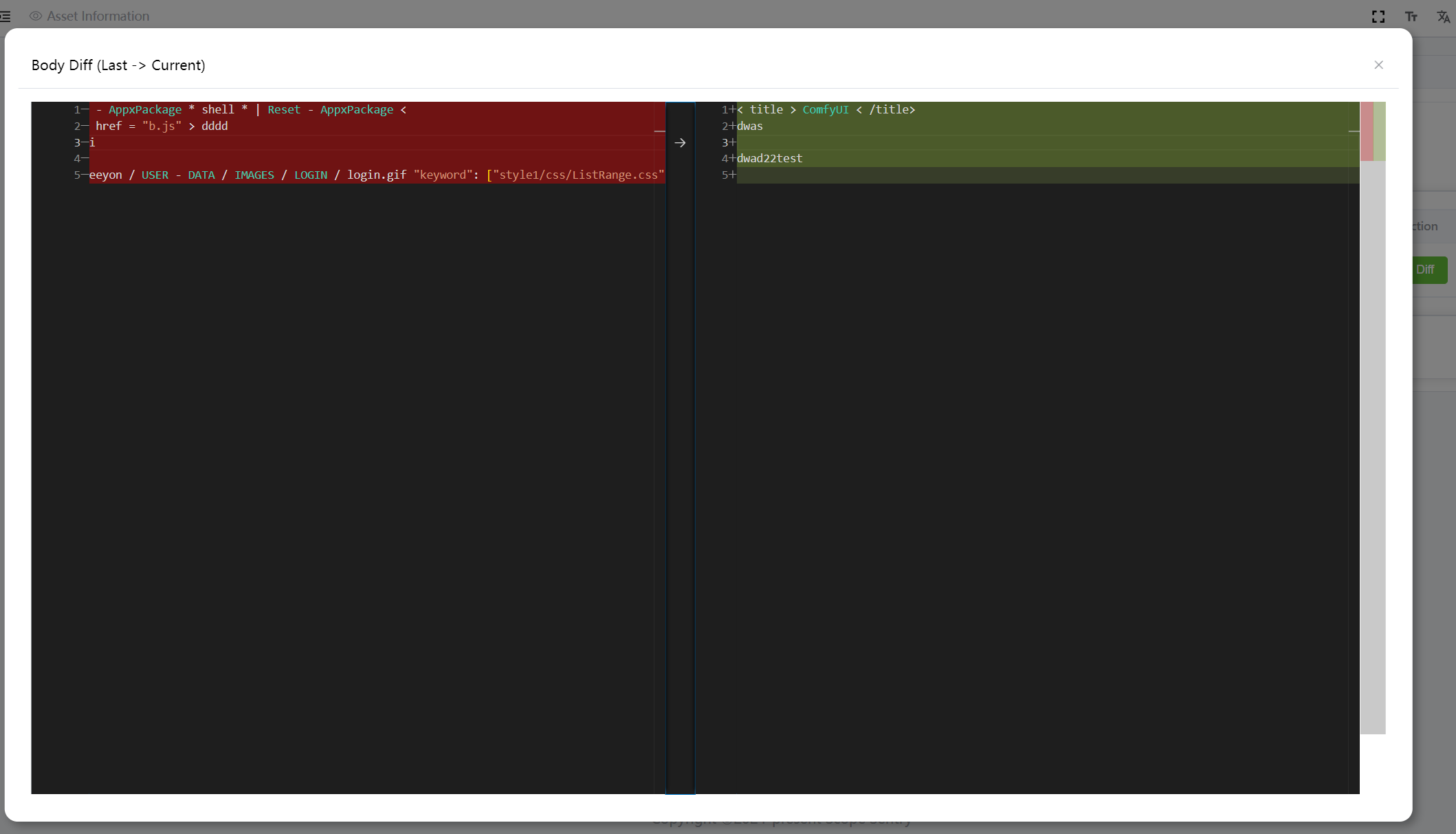
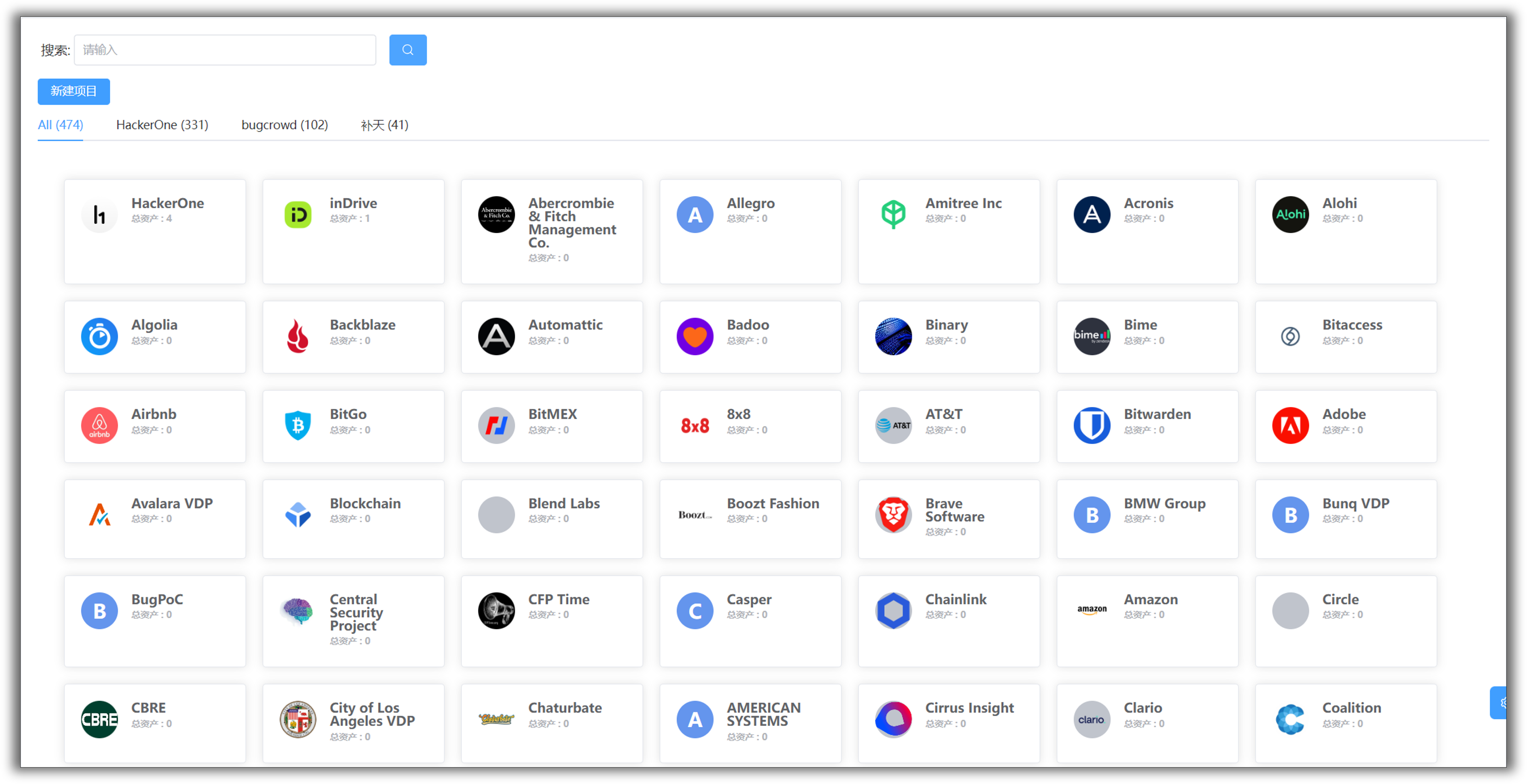
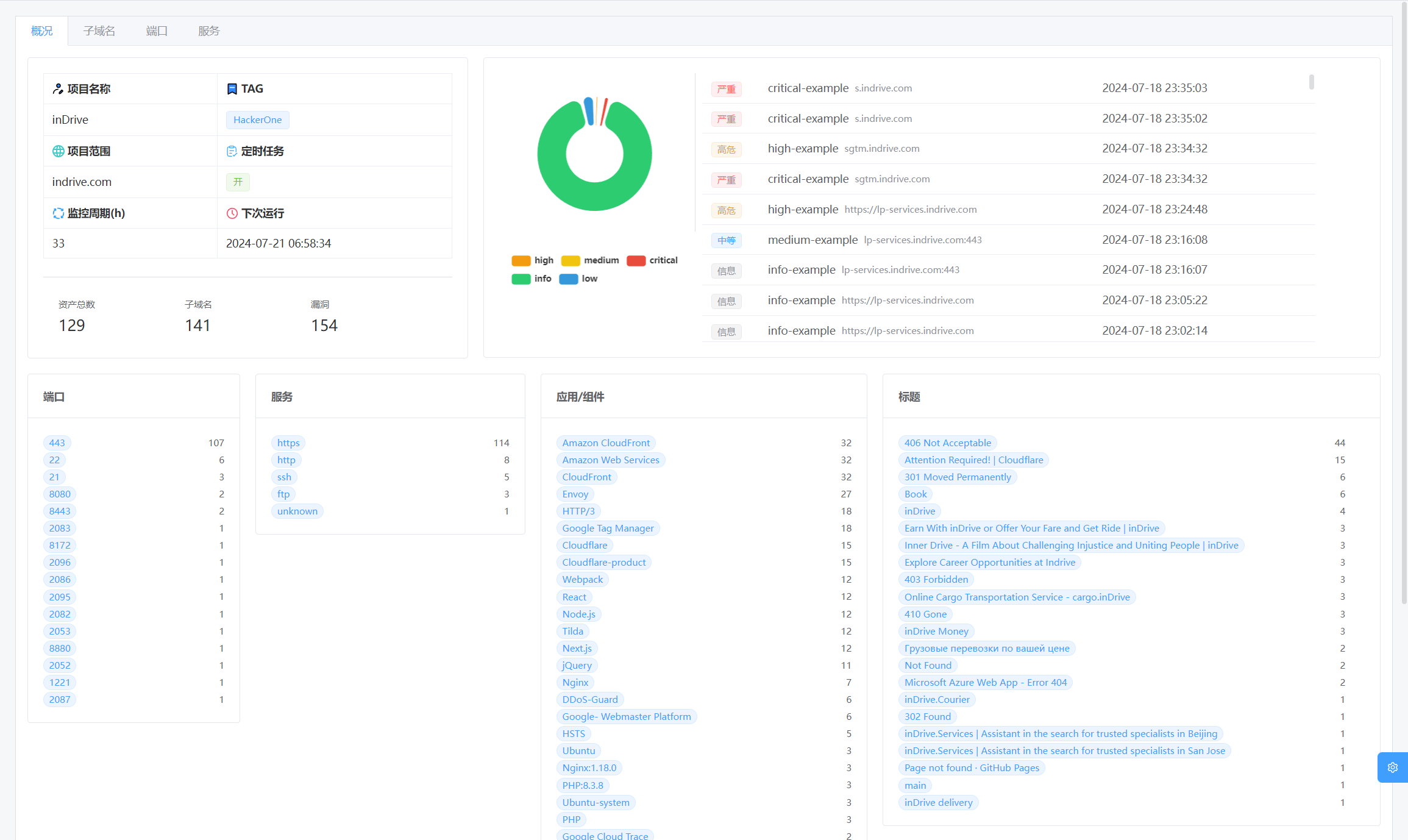
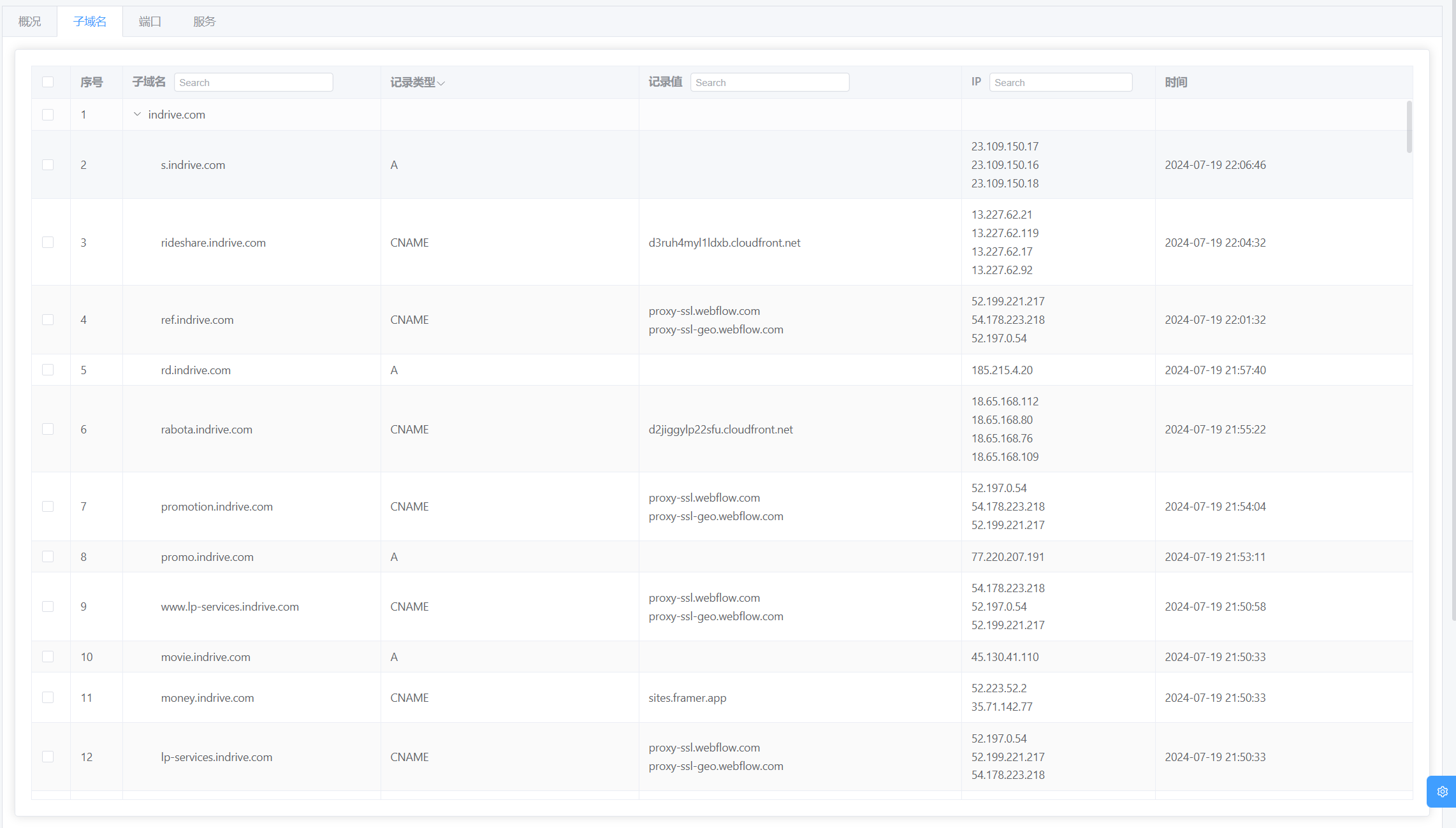
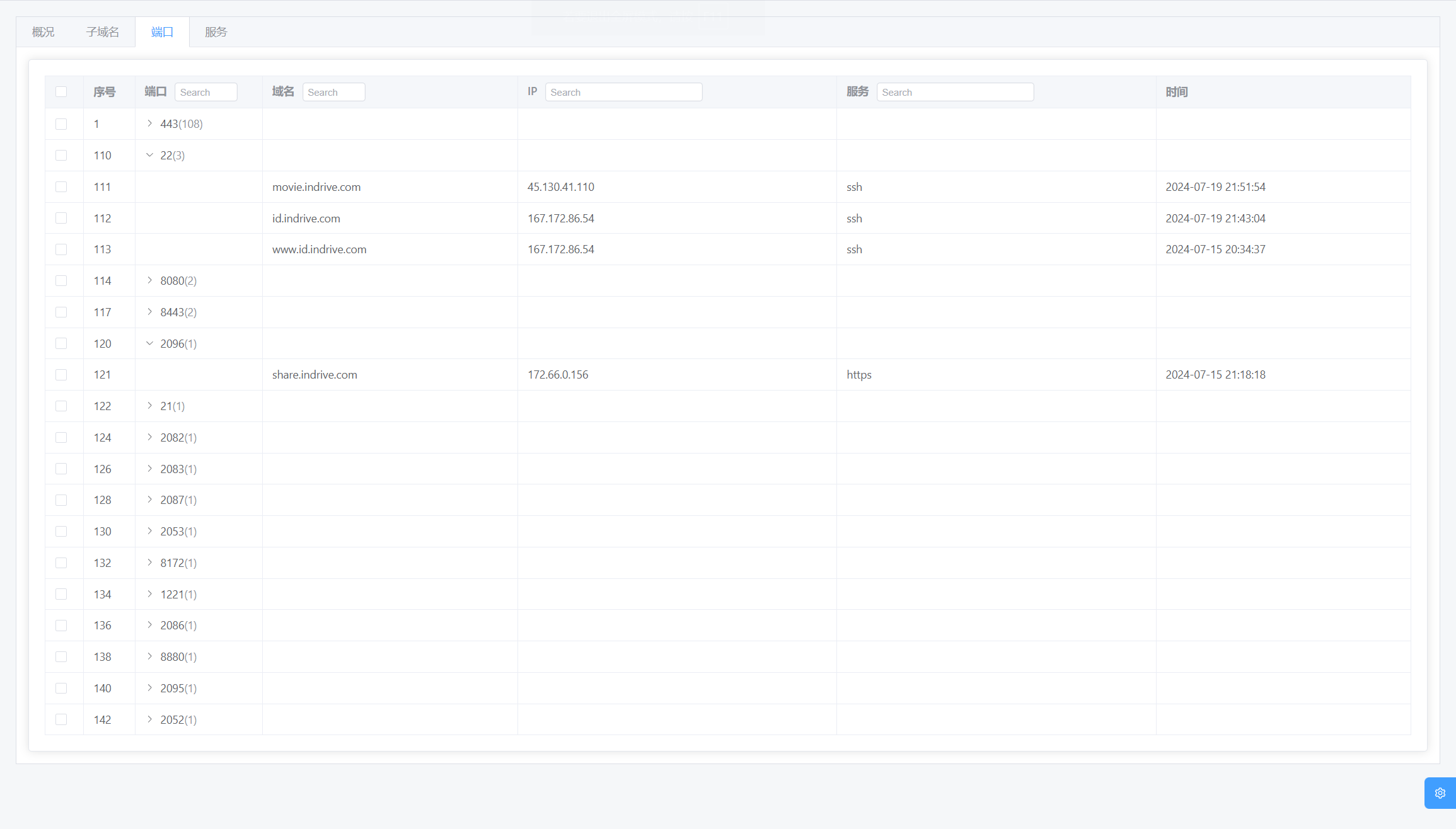
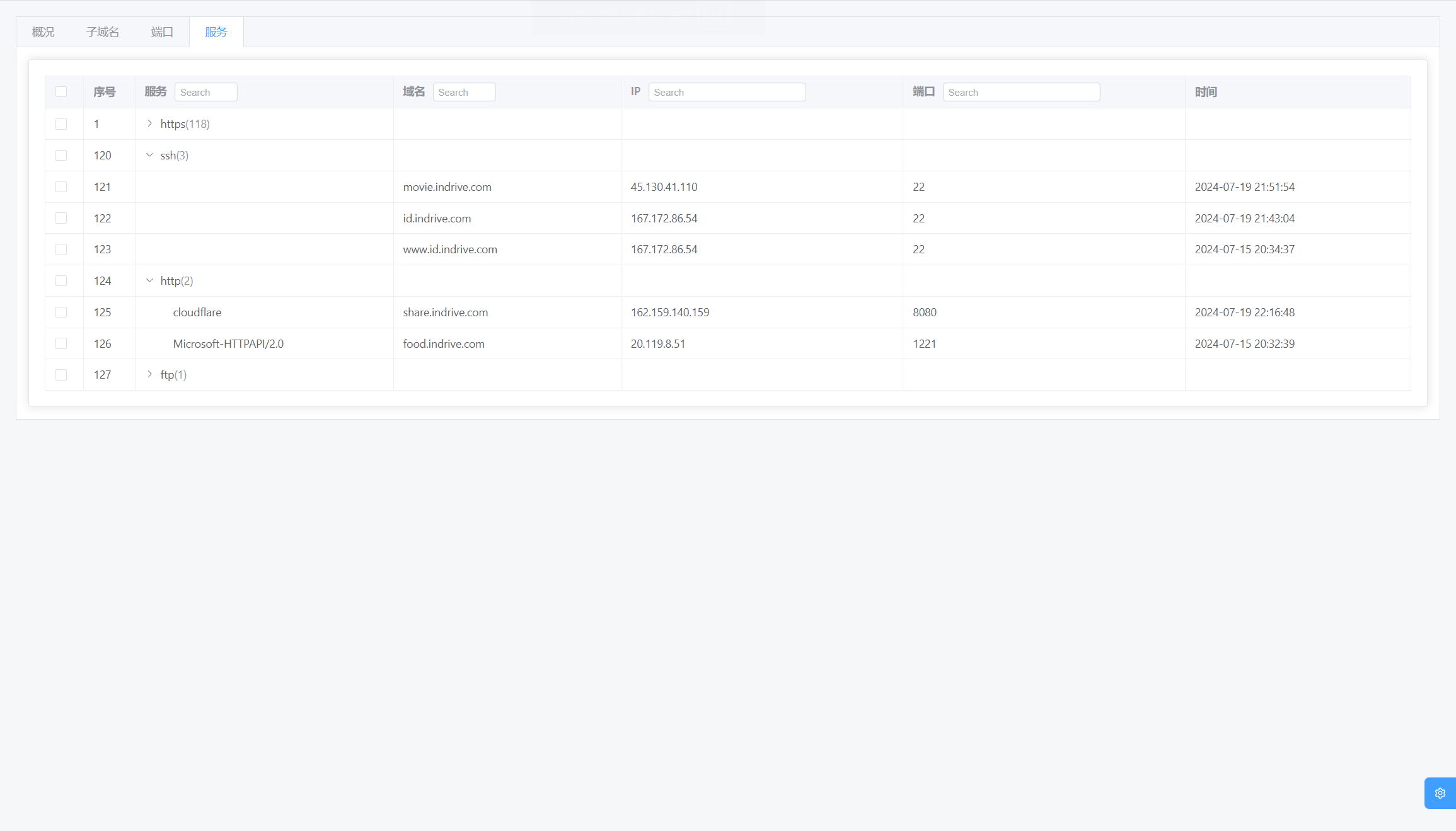
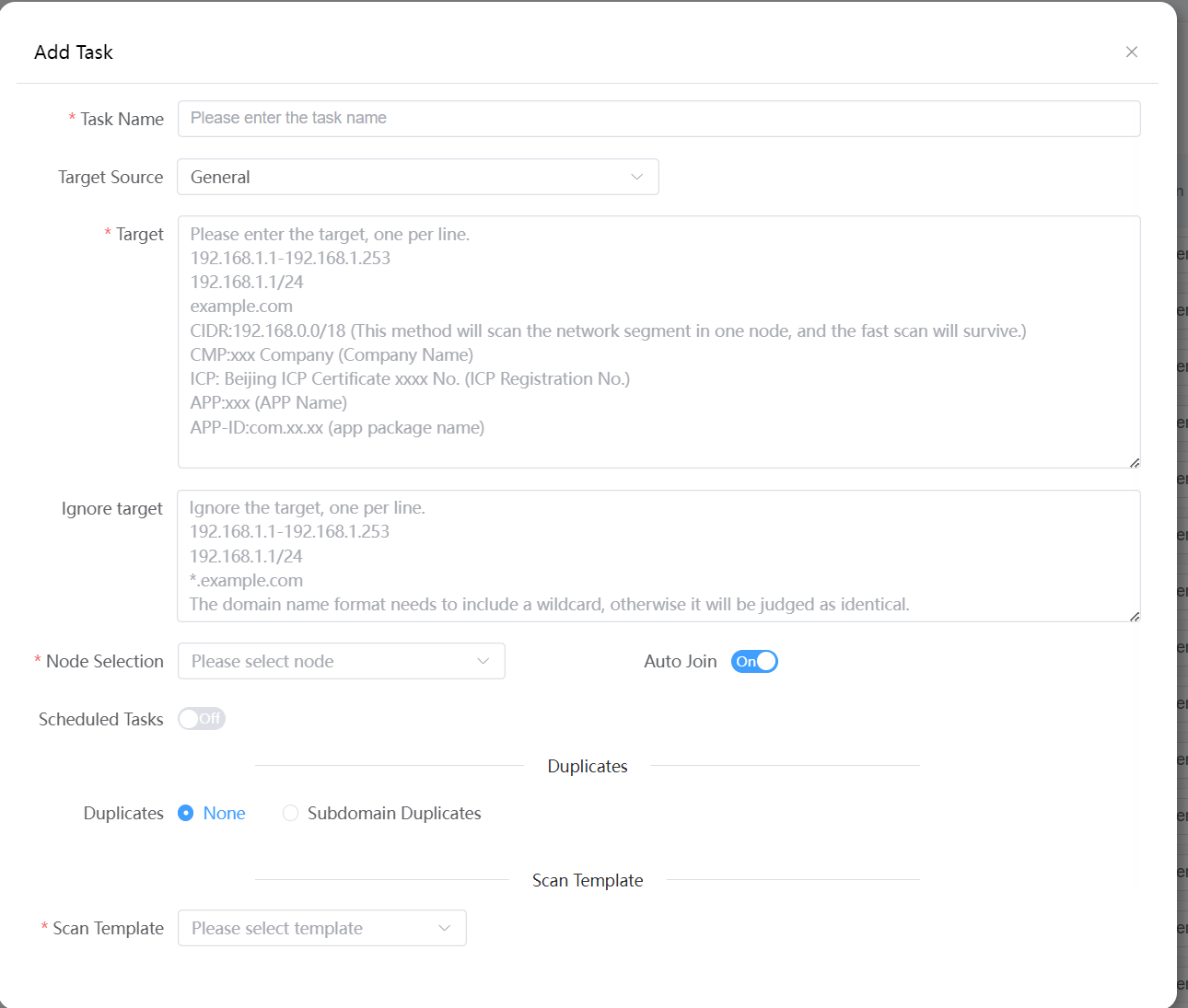
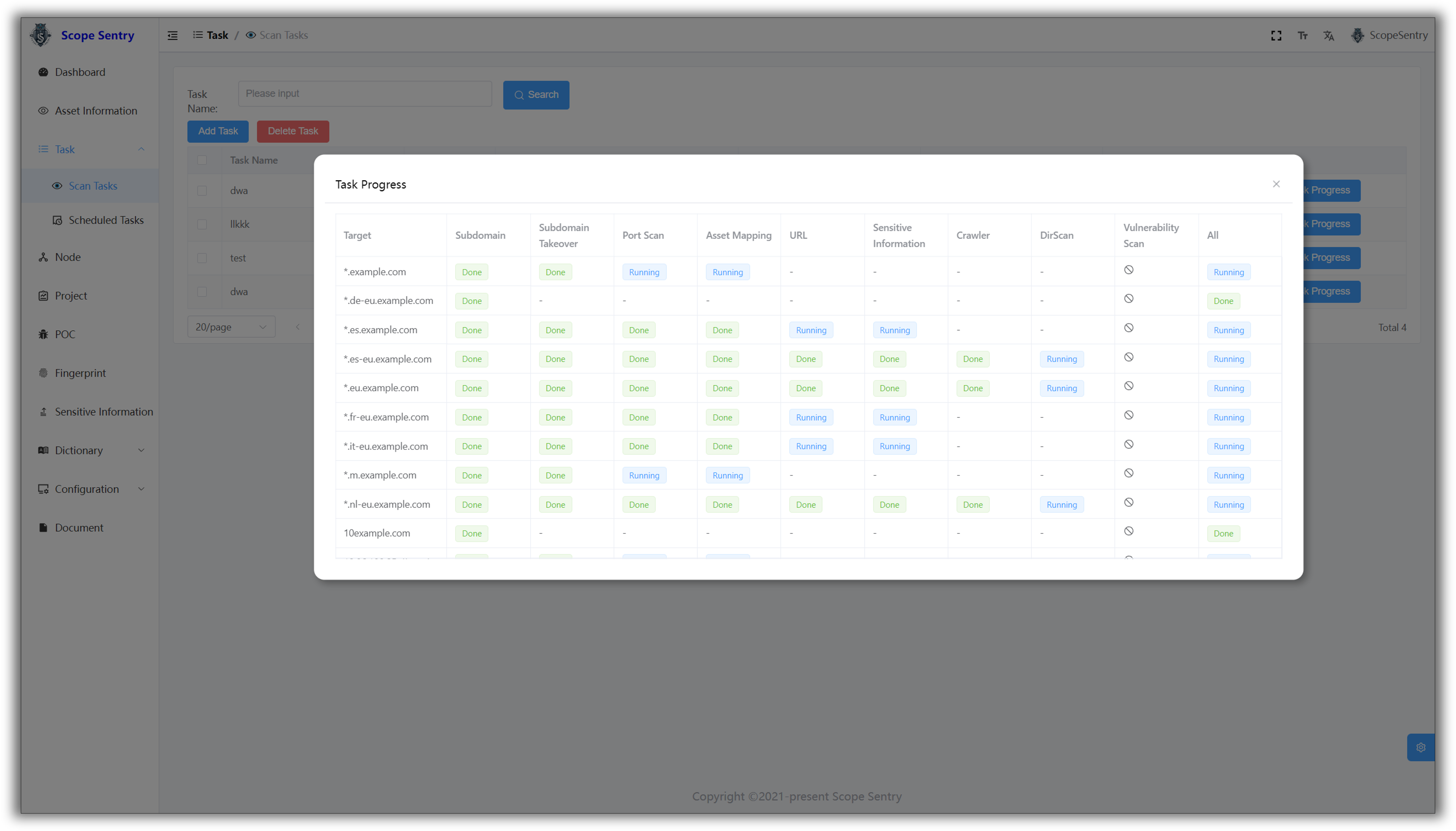
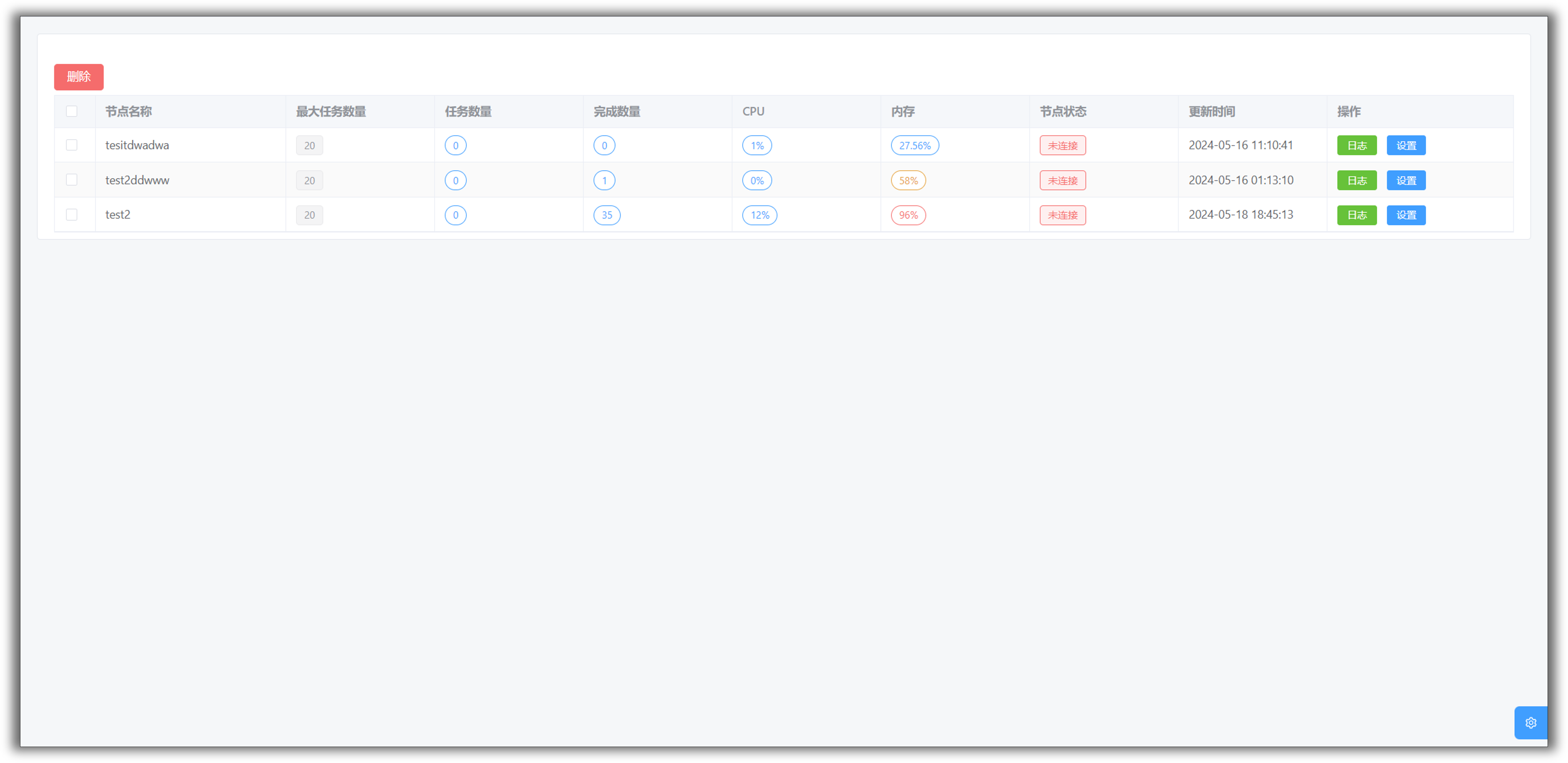
ScopeSentry-Cyberspace mapping, subdomain enumeration, port scanning, sensitive information discovery, vulnerability scanning, distributed nodes
1.5k
Stars
215
Forks
82
Open issues
8
Contributors


AI Analysis
ScopeSentry is a distributed security scanning platform designed for asset reconnaissance, subdomain enumeration, vulnerability detection, and sensitive information discovery. It serves bug bounty hunters, penetration testers, and security teams who need coordinated scanning across multiple distributed nodes. This tool is specialized for offensive security workflows and is not intended for general-purpose web monitoring or basic IT asset management.
Inferred from signals mentioned in the README (tests, CI, type safety) — not a review of the actual code.
AI's overall editorial judgment — not an average of the bars above, can weigh other factors too.
ScopeSentry: distributed asset reconnaissance platform with plugin extensibility, targeting security teams managing multi-scope assessments
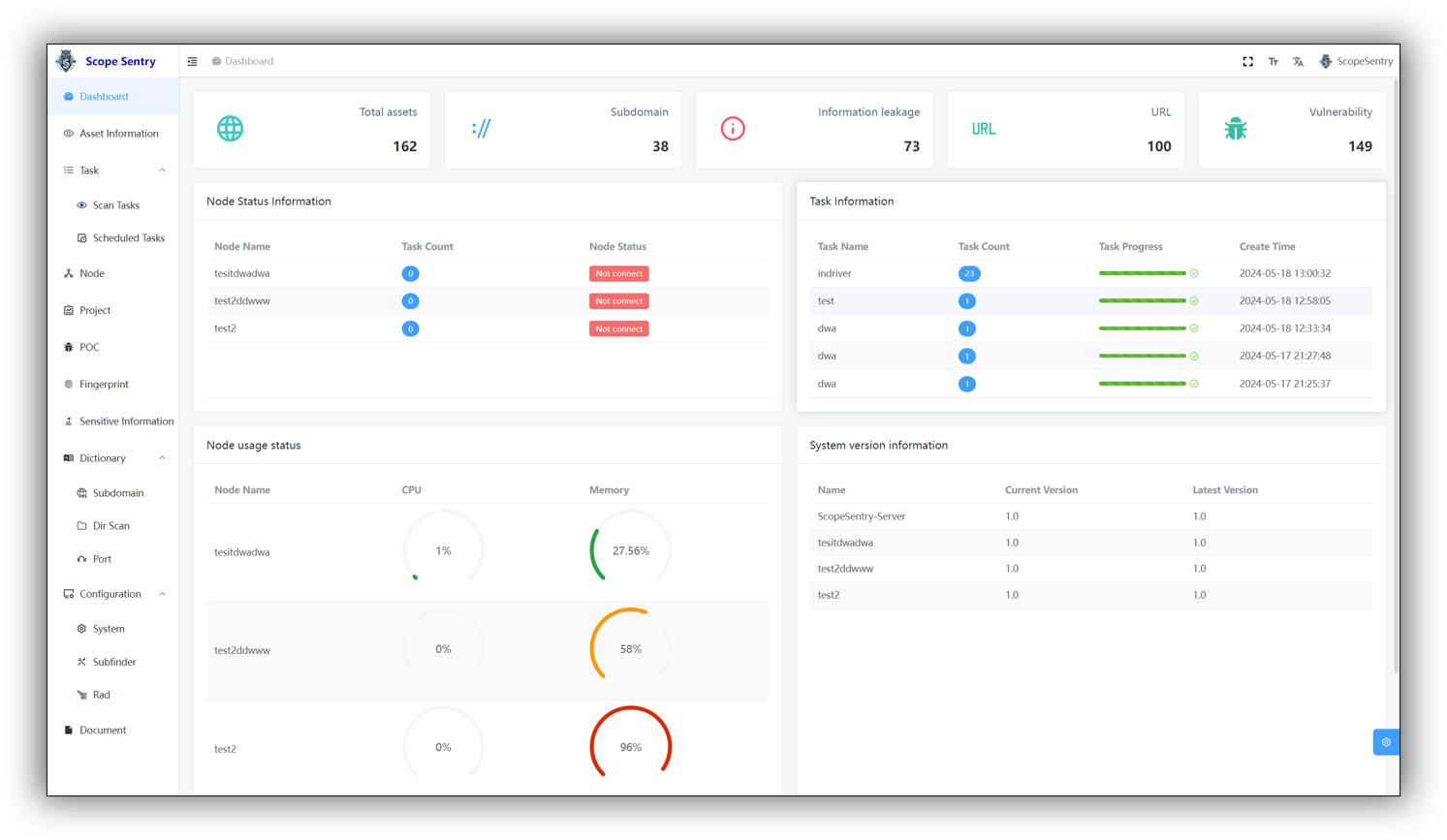
ScopeSentry is a Go/Python/Vue application that bundles subdomain enumeration, port scanning, vulnerability detection, and sensitive data discovery into a multi-node distributed system. It targets security professionals and penetration testers who need centralized orchestration of reconnaissance tasks across multiple scanning nodes. The project emphasizes plugin extensibility and web-based task management rather than being a single-purpose tool.
ScopeSentry launched in February 2024, positioning itself as a distributed alternative to standalone reconnaissance tools. The architecture separates scanning logic (Go), server backend (FastAPI/Python), and UI (Vue), suggesting intent to build a platform rather than a CLI utility. README references a distributed architecture article from Wechat, indicating Chinese community origin with growing international footprint.
The project gained approximately 1,526 stars over ~2.3 years with steady but modest momentum (7 stars in the last 7 days as of 2026-06-26). Recent push activity (2026-06-26) indicates active maintenance. Growth appears driven by specialization in distributed scanning orchestration rather than competing on individual tool sophistication. The plugin marketplace and separate UI/scanner repositories suggest ecosystem-building rather than simple tooling.
Adoption not verified. No explicit case studies, enterprise deployment announcements, or measurable user-base documentation in README. The plugin marketplace and Discord community suggest some active user base, but scale is unknown. Chinese language prominence in documentation and Wechat reference suggest stronger adoption in Chinese security community than Western market, but this is not confirmed.
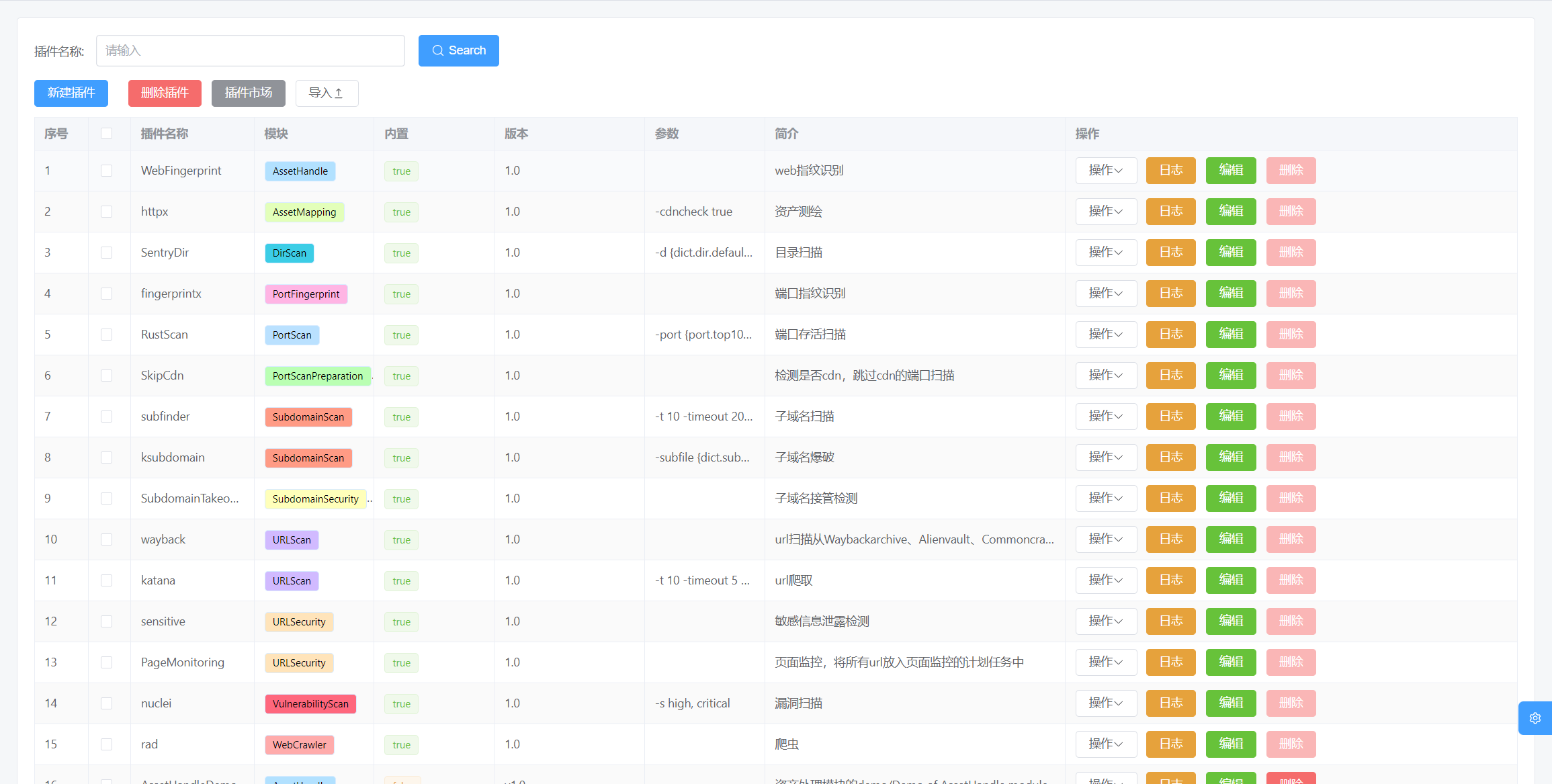
Appears to use a microservices-inspired pattern: FastAPI server managing state (MongoDB/Redis), decoupled Go-based scanners (ScopeSentry-Scan), and Vue frontend. Based on README, plugins are the primary extension mechanism. The multi-node design targets horizontal scaling and geographic distribution of scanning workload. Likely implements task queuing via Redis and node registration/heartbeat logic.
Not documented in README. No mention of test suites, CI/CD pipelines, or quality gates visible in provided metadata.
Last push 2026-06-26 (11 days before analysis date) is recent. Repository shows active development cadence. However, cannot assess issue response time, PR velocity, or bug-fix frequency from provided metadata alone. The presence of multiple satellite repositories (UI, scanner, plugin template) suggests distributed development effort but could also indicate fragmentation risk.
ADOPT IF: you operate a team needing centralized multi-node reconnaissance orchestration, want plugin-based customization of scanning workflows, and can self-host on Docker infrastructure. AVOID IF: you need a mature, battle-tested platform with extensive public production references, require commercial support guarantees, or need specialized scanning tools beyond reconnaissance (exploitation, post-exploitation). MONITOR IF: you are evaluating distributed security orchestration platforms and want to track whether ScopeSentry gains adoption outside the Chinese security community or achieves clearer enterprise presence.
Independent dimensions
Mainstream potential
3/10
Technical importance
6/10
Adoption evidence
2/10
- Adoption not verified in English-speaking/Western security market; real deployment scale is unknown and could be narrower than star count suggests.
- License (AGPL-3.0 with commercial clause) may deter enterprise adoption without clarity on commercial licensing terms; contact email is only licensing channel.
- Fragmentation risk: core project split across three repositories (main, scanner, UI) with independent versioning; integration testing and release coordination not visible in README.
- Test coverage, security audit, and formal vulnerability disclosure process not mentioned; concerning for security-critical scanning platform.
- Plugin ecosystem viability unproven; plugin marketplace exists but no data on plugin quality, maintenance, or adoption.
ScopeSentry likely remains a specialized platform with modest, geographically concentrated adoption (stronger in Chinese security market). Growth may accelerate if plugin ecosystem matures and real-world deployments become documented, or plateau if enterprise market demands commercial support clarity and public case studies.
Newsletter
Get analyses like this every Monday
Free weekly digest of the most interesting open-source discoveries.
Languages
Information
- Website
- https://www.scope-sentry.top/
- Language
- Go
- Last updated
- 2w ago
- Created
- 29mo ago
- Analyzed with
- anthropic/claude-haiku-4-5
Stars over time
Contributors over time
Top 100 contributors only — repos with more will plateau at 100.
Open issues
Open pull requests
Top contributors
Similar repos

projectdiscovery/subfinder
Subfinder is a fast passive subdomain enumeration tool built in Go for...

arkadiyt/bounty-targets-data
This repository provides hourly-updated data dumps of bug bounty program scopes...
| Repository | Stars | Week Δ | Language | Score | Updated |
|---|---|---|---|---|---|
|
Autumn-27/ScopeSentry
this
|
1.5k | +3 | Go | 7/10 | 2w ago |
 sw33tLie/bbscope sw33tLie/bbscope
|
1.4k | — | Go | 8/10 | 4d ago |
|
projectdiscovery/subfinder
|
14k | — | Go | 8/10 | 2d ago |
|
arkadiyt/bounty-targets-data
|
3.8k | — | — | 8/10 | 6h ago |
 google/osv-scanner google/osv-scanner
|
10.6k | — | Go | 8/10 | 11h ago |
 1N3/Sn1per 1N3/Sn1per
|
10.3k | — | Shell | 7/10 | 6d ago |
Subfinder (13,962 stars) is a focused subdomain enumeration tool; ScopeSentry bundles it into a broader platform with distributed execution and web UI. Different scope: Subfinder is a library/CLI, ScopeSentry is a full orchestration system.
bbscope (1,409 stars) is a Burp Suite extension for scope management; ScopeSentry is platform-agnostic and broader. bbscope targets Burp users; ScopeSentry targets teams wanting centralized reconnaissance orchestration.
Sn1per (10,268 stars) bundles reconnaissance tools into a shell-based framework; ScopeSentry similarly bundles tools but emphasizes distributed nodes and web UI rather than shell scripting. ScopeSentry appears more modern (Go/Python/Vue vs. Shell).
OSV Scanner (10,616 stars) focuses on vulnerability database queries; ScopeSentry includes vulnerability scanning as one module within broader reconnaissance. Complementary scope, not direct competition.
bounty-targets-data (3,811 stars) is a data repository; ScopeSentry is an active scanning platform. Different categories: data source vs. execution engine.