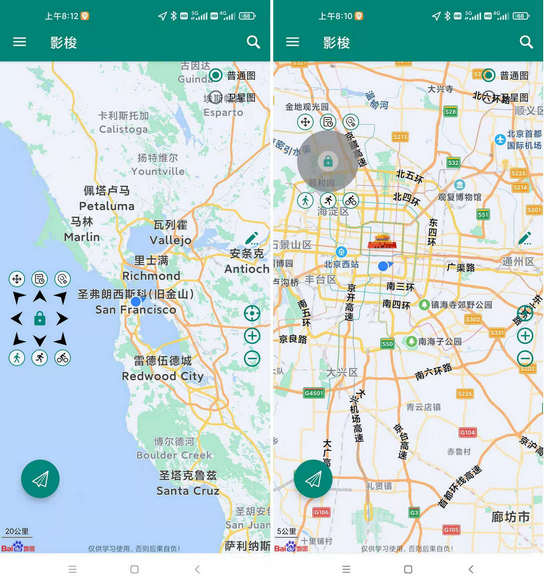
一个基于 Android 调试 API + 百度地图实现的虚拟定位工具,并且同时实现了一个可以自由移动的摇杆
10.8k
Stars
1.2k
Forks
22
Open issues
8
Contributors


AI Analysis
GoGoGo (影梭) is an Android mock location tool that enables GPS spoofing without requiring ROOT privileges on Android 8.0+, using Android Debug Bridge APIs and Baidu Maps. It is specialized for learning Android development and geographic APIs, and serves developers and researchers studying location-based services—not for end-user general consumption or production location services.
Inferred from signals mentioned in the README (tests, CI, type safety) — not a review of the actual code.
AI's overall editorial judgment — not an average of the bars above, can weigh other factors too.
Root-free Android GPS spoofing app using debug API and Baidu Maps, with joystick movement control
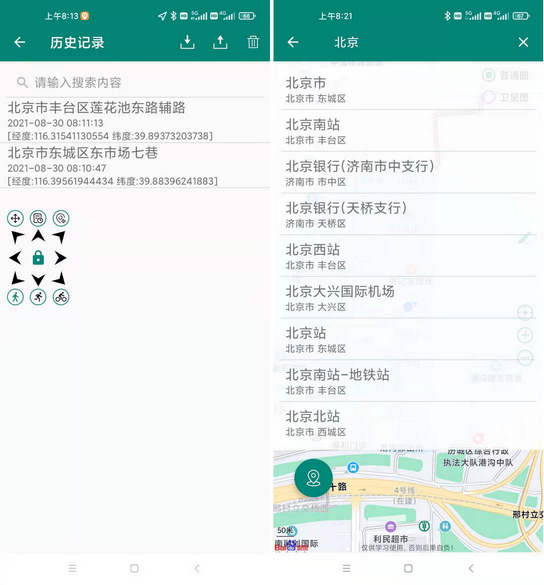
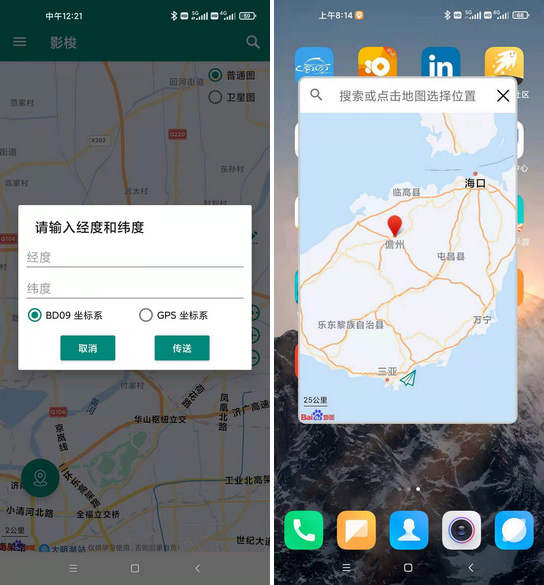
GoGoGo (影梭) is an Android app that allows users to spoof their GPS location without root access, using Android's mock location debug API combined with Baidu Maps SDK. It supports joystick-controlled simulated movement, location history, coordinate search, and direct coordinate input. Built primarily as a learning project by the author, it targets Android 8.0+ users in China who want to modify their GPS position for purposes such as location-based games. With over 10,700 stars, it has attracted substantial attention from the Chinese Android developer community.
Created in December 2021, originally motivated by a location-based VR game. The author, a non-mobile developer, built it as a self-educational project and open-sourced it. It has since become one of the more popular Chinese-language Android GPS spoofing tools on GitHub.
Growth appears driven primarily by demand for free alternatives to paid GPS spoofing apps in China, particularly among location-based game players and users wanting to bypass campus fitness-tracking apps. The GPL-3.0 license and no-root requirement lower the barrier to use. Stars have accumulated steadily; ~57 stars in the last 7 days as of June 2026 suggests continued but modest organic discovery.
No formal production deployment metrics are available. The app targets individual end-users rather than enterprise deployments. The 10,700+ stars and 1,221 forks, combined with the note about widespread misuse for campus fitness app cheating, suggest real-world installation by a significant number of users, particularly in China. A Gitee mirror also exists, indicating reach beyond GitHub. Adoption appears broad among Chinese individual users but is not independently verified at scale.
Likely a single Android application module written in Java, using Baidu Maps SDK for map display and location search, and Android's MockLocation debug API for GPS spoofing. A custom joystick UI overlay appears to be implemented for simulated movement control. CI is present via GitHub Actions (build check + CodeQL), suggesting at least basic automated quality gates.
Not documented in README. CodeQL analysis is configured, which provides static security scanning, but functional test coverage is not mentioned.
Last push was November 2025, approximately 7 months before the evaluation date. This indicates the project is not actively pushed to frequently but is not abandoned. The author has acknowledged issues like GPS drift and platform-specific limitations (WeChat, Huawei HarmonyOS) in the README, suggesting ongoing engagement with user feedback. A GPL license violation incident was also addressed recently, showing author is still monitoring the project.
ADOPT IF: you are an Android developer in China wanting to learn mock location implementation, or an end-user needing a free, no-root GPS spoofing tool for casual use on Android 8.0+ with Baidu Maps familiarity. AVOID IF: you need reliable spoofing for apps with anti-cheat detection (Tencent apps, fitness trackers with mock-location checks), or if you are outside mainland China where Baidu Maps SDK is less relevant. MONITOR IF: you are tracking the Android GPS spoofing tooling space or interested in how debug API limitations evolve with future Android versions.
Independent dimensions
Mainstream potential
2/10
Technical importance
5/10
Adoption evidence
5/10
- Android OS updates may tighten restrictions on the MockLocation debug API, potentially breaking core functionality without significant rework.
- Baidu Maps SDK dependency makes the tool less useful or potentially non-functional outside mainland China, limiting global adoption.
- The project is maintained by a single developer who is not a professional mobile developer, raising bus-factor concerns for long-term sustainability.
- GPL-3.0 license violations have already occurred (as noted in the README), suggesting the project may be forked into ad-laden or obfuscated variants that could damage trust in the original.
- Anti-spoofing measures in popular apps (Tencent, fitness platforms) already partially defeat the tool, and this gap is likely to widen as more apps implement detection.
Likely to continue as a stable, niche reference implementation for Android mock location in the Chinese developer community. Mainstream growth appears unlikely given platform and geography constraints, but it will probably maintain its current user base for several more years.
Newsletter
Get analyses like this every Monday
Free weekly digest of the most interesting open-source discoveries.
Languages
Information
- Website
- https://itexp.blog.csdn.net/
- Language
- Java
- License
- GPL-3.0
- Last updated
- 8mo ago
- Created
- 56mo ago
- Analyzed with
- anthropic/claude-haiku-4-5
Stars over time
Contributors over time
Top 100 contributors only — repos with more will plateau at 100.
Open issues
Top contributors
Similar repos

mekos2772/ios-location-spoofer
This is a specialized iOS location spoofing tool that intercepts and modifies...

Schlaubischlump/LocationSimulator
LocationSimulator is a macOS application that spoofs device locations for iOS,...
| Repository | Stars | Week Δ | Language | Score | Updated |
|---|---|---|---|---|---|
|
ZCShou/GoGoGo
this
|
10.8k | +58 | Java | 6/10 | 8mo ago |
 Yu9191/wloc Yu9191/wloc
|
3.7k | — | JavaScript | 7/10 | 2w ago |
|
mekos2772/ios-location-spoofer
|
1.9k | — | JavaScript | 7/10 | 4d ago |
|
Schlaubischlump/LocationSimulator
|
3k | — | Swift | 7/10 | 3w ago |
 cgeo/cgeo cgeo/cgeo
|
1.5k | — | Java | 7/10 | 1d ago |
 barbeau/gpstest barbeau/gpstest
|
2.3k | — | Kotlin | 8/10 | 2d ago |
GoGoGo is free and open-source under GPL-3.0, while most comparable GPS spoofers on Google Play are paid or ad-supported. GoGoGo's no-root approach is comparable, but its Baidu Maps dependency limits utility outside mainland China.
Mocklation is one of the referenced inspirations for GoGoGo. Both use Android's mock location API without root. GoGoGo adds a joystick movement feature and is tailored for Chinese users with Baidu Maps integration.
Also listed as a reference/inspiration. GoGoGo extends the concept with a more complete UI, Baidu Maps integration, and the joystick control layer.
VirtualApp-based tools can spoof location at the virtual app container level, potentially bypassing anti-cheat measures more effectively. GoGoGo's debug API approach is simpler and requires no root but is less effective against apps with anti-spoofing detection (e.g., Tencent apps).
Module-based approaches require root or bootloader unlock but provide deeper system-level spoofing that is harder for apps to detect. GoGoGo explicitly avoids this complexity, making it easier to use but less capable against sophisticated detection.