A Hardware Hacking Tool with Web-Based CLI That Speaks Every Protocol
4.2k
Stars
333
Forks
34
Open issues
7
Contributors


AI Analysis
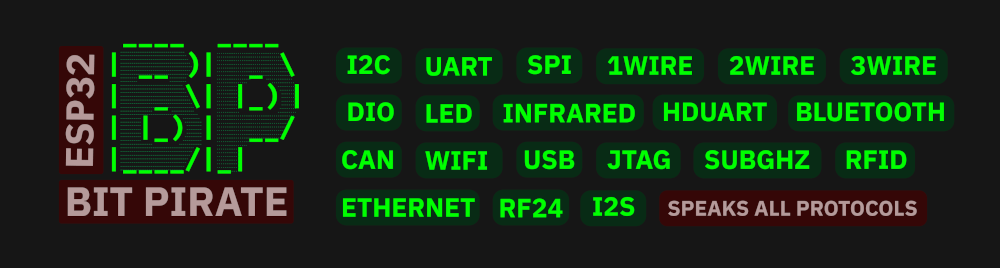
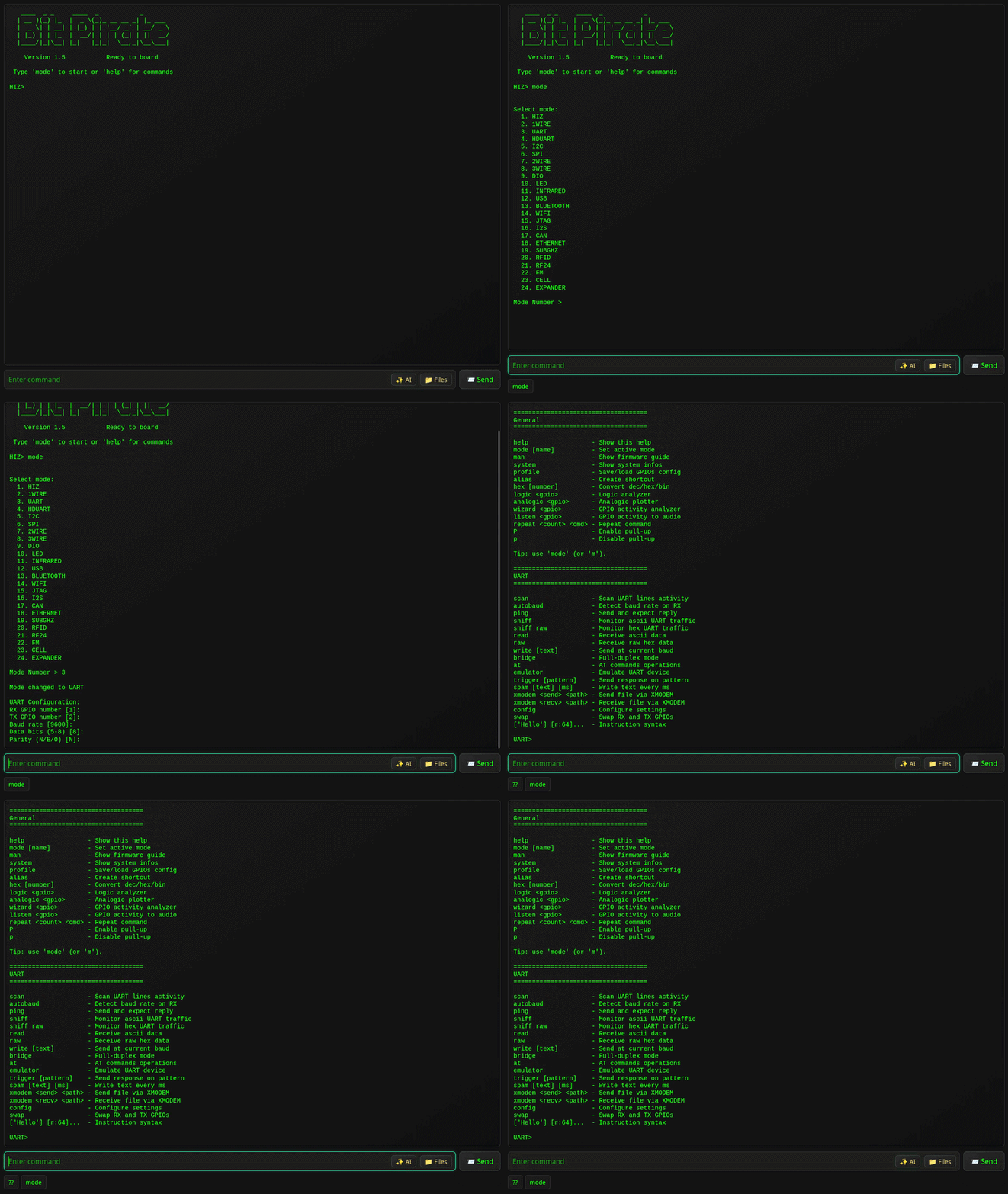
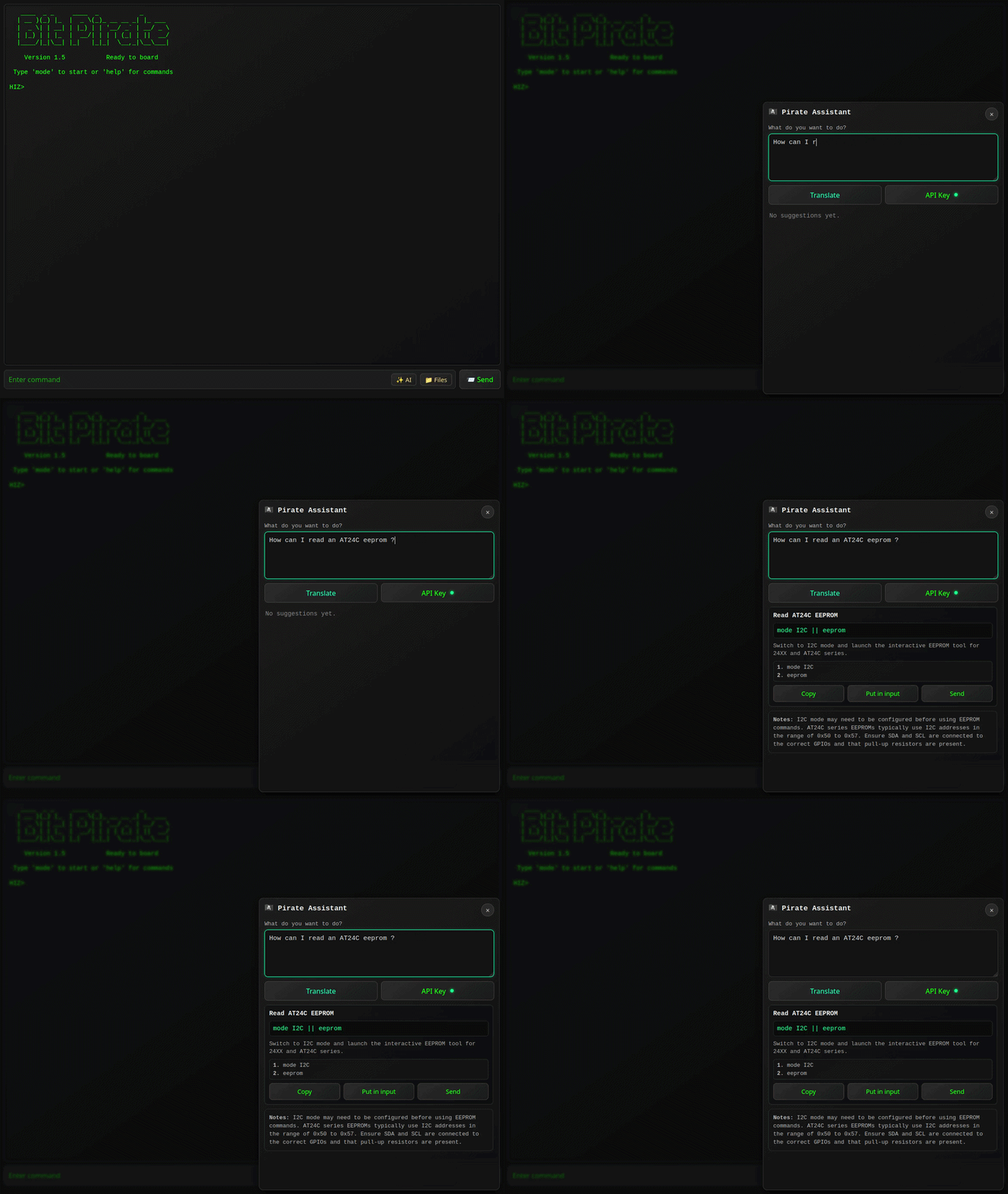
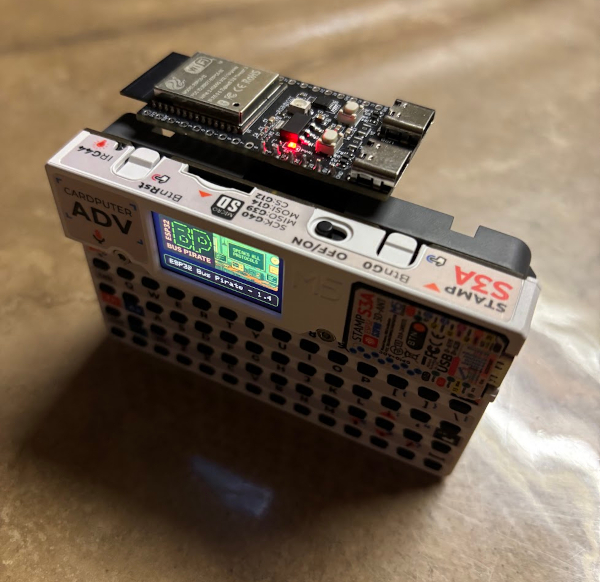
ESP32 Bit Pirate is open-source firmware that transforms an ESP32 microcontroller into a multi-protocol hardware analysis and debugging tool, supporting I2C, SPI, UART, Bluetooth, Wi-Fi, RFID, CAN, and many other digital and radio protocols via a web-based CLI. It is purpose-built for hardware hackers, embedded engineers, and security researchers who need to interact with and analyze embedded systems and peripherals; not intended for general-purpose computing or application development.
Inferred from signals mentioned in the README (tests, CI, type safety) — not a review of the actual code.
AI's overall editorial judgment — not an average of the bars above, can weigh other factors too.
ESP32-based multi-protocol hardware hacking tool with web CLI, inspired by Bus Pirate
ESP32 Bit Pirate is an open-source firmware that transforms ESP32 microcontrollers into portable hardware analysis and interaction tools. It supports 23+ digital and radio protocols (I2C, UART, SPI, Bluetooth, Wi-Fi, Sub-GHz, RFID) via serial or web interface. Aimed at hardware security researchers, IoT developers, and electronics hobbyists who need protocol debugging without proprietary hardware. Adoption appears concentrated in specialized hardware hacking and embedded security communities rather than mainstream development.
Created July 2025, this is a relatively recent project (approximately 12 months old as of June 2026). It explicitly positions itself as a modern reimplementation of the Bus Pirate concept on ESP32 hardware, suggesting it evolved from community demand for an affordable, software-updatable alternative to legacy or specialized protocol analyzers.
Repository gained 4,099 stars in ~12 months with 114 stars in the last 7 days (as of June 2026), suggesting sustained modest interest rather than viral adoption. Growth appears steady but not accelerating. Active last push on June 29, 2026 indicates ongoing maintenance. The presence of companion repositories (ESP32-Bit-Pirate-Scripts, ESP32-Bus-Expander, ESP32-Bit-Pirate-Dock) suggests an emerging ecosystem, but adoption velocity remains below category leaders like ESP32Marauder (11,374 stars) and esptool (6,398 stars).
Adoption not verified. No GitHub discussion threads, issue tracker summaries, or external case studies visible in provided metadata. README references companion hardware projects (ESP32-Bus-Expander, Dock) and script repositories, suggesting some real-world use, but scale and industry deployment remain undocumented. Adoption appears concentrated in hobbyist and specialized researcher communities but lacks public evidence of enterprise or production-scale deployments.
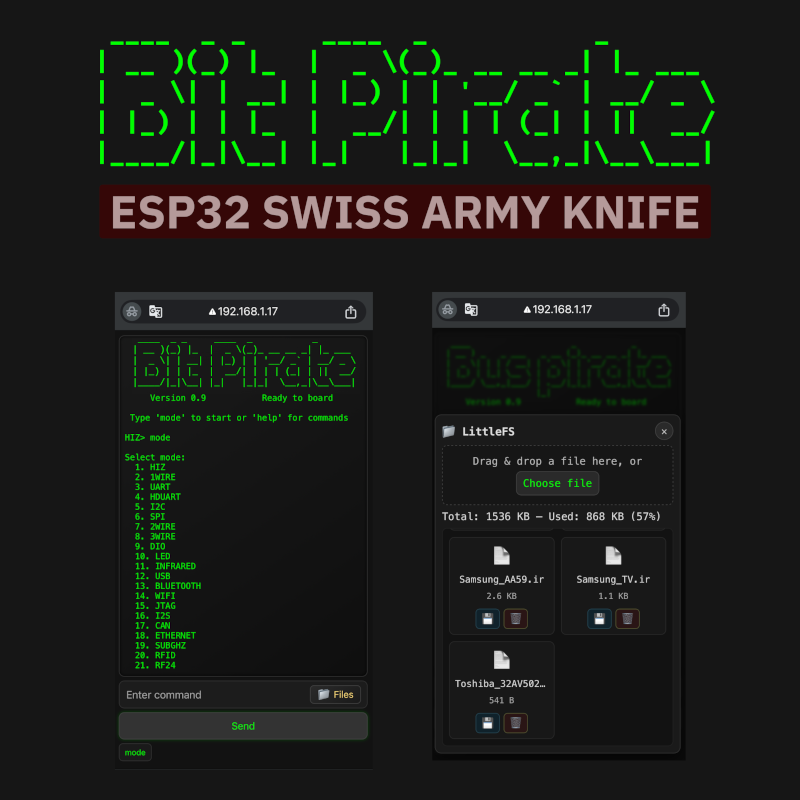
Likely a monolithic C++ firmware targeting ESP32-S3 and compatible boards with modular protocol handlers. Appears to support dual interfaces: serial terminal (USB) and web-based CLI (WiFi). Based on README feature breadth, architecture probably uses protocol abstraction layers to manage 23+ distinct modes. Presence of LittleFS filesystem support and HTTP-based data import/export suggests embedded web server integration.
Not documented in README. No mention of unit tests, integration tests, or CI/CD pipelines. Test coverage cannot be inferred from available metadata.
Last push 2026-06-29 (current date), confirming active maintenance. Relatively young codebase (12 months). README is comprehensive with wiki links and step-by-step guides, suggesting maintainers are engaged in documentation. However, only 330 forks (vs. 4,099 stars) indicates limited community contribution relative to user interest. Maintenance appears active but contributor base may be small.
ADOPT IF: you are a hardware security researcher, embedded systems debugger, or hobbyist needing affordable multi-protocol support and accept ESP32 hardware constraints; you want an actively maintained, open-source alternative to proprietary or legacy protocol analyzers; you work with I2C, SPI, UART, Bluetooth, or Sub-GHz protocols and need scriptable, portable analysis. AVOID IF: you require production-grade reliability, extensive vendor support, or formal security certifications; your protocol needs are highly specialized beyond the 23+ supported modes; you depend on large community user base for troubleshooting; you need guaranteed backwards compatibility across firmware updates. MONITOR IF: you're evaluating hardware hacking tools for a security team; you need to assess maturity and real-world deployment reports over next 6-12 months; you're considering contributing to or building on the ecosystem.
Independent dimensions
Mainstream potential
3/10
Technical importance
6/10
Adoption evidence
2/10
- Adoption not verified at scale: no public case studies or deployment reports visible. Real-world usage may be limited to niche hobbyist/researcher communities. Sustainability of maintenance depends on small core team.
- Young codebase (12 months): insufficient field testing to surface edge cases, security issues, or protocol compatibility bugs. Firmware stability on diverse hardware configurations unknown.
- Limited contributor base (330 forks, 4,099 stars suggests 7-10% engagement ratio): ecosystem may lack redundancy if primary maintainers become unavailable. No mention of formal governance or contribution guidelines in README.
- ESP32 hardware constraints: GPIO count, memory, and CPU limits constrain simultaneous protocol handling and feature expansion. May not scale to advanced or concurrent protocol scenarios.
- Web interface security not discussed in README: WiFi-based CLI could introduce attack surface if authentication or encryption are incomplete. Security model of web interface undocumented.
Bit Pirate likely remains a specialized tool for hardware security and embedded development niches over next 12-24 months. Adoption will probably grow modestly within communities already using Bus Pirate or specialized protocol analyzers, but mainstream software developers and non-specialist IoT engineers are unlikely to adopt it. Ecosystem (scripts, hardware extensions) may mature, but mainstream potential is constrained by narrow use case and small community base.
Newsletter
Get analyses like this every Monday
Free weekly digest of the most interesting open-source discoveries.
Languages
Information
- Language
- C++
- License
- MIT
- Last updated
- 3d ago
- Created
- 12mo ago
- Analyzed with
- anthropic/claude-haiku-4-5
Stars over time
Contributors over time
Top 100 contributors only — repos with more will plateau at 100.
Open issues
Top contributors
Recent releases
Similar repos

justcallmekoko/ESP32Marauder
ESP32 Marauder is a specialized firmware suite providing WiFi and Bluetooth...

cifertech/ESP32-DIV
ESP32-DIV is a wireless offensive and defensive toolkit built on the ESP32-S3...

BruceDevices/firmware
Bruce is an ESP32 firmware for offensive security operations, supporting WiFi...

xchwarze/wifi-pineapple-cloner
WiFi Pineapple Cloner ports the WiFi Pineapple NANO/TETRA platform to generic...
| Repository | Stars | Week Δ | Language | Score | Updated |
|---|---|---|---|---|---|
|
geo-tp/ESP32-Bit-Pirate
this
|
4.2k | +94 | C++ | 8/10 | 3d ago |
|
justcallmekoko/ESP32Marauder
|
11.5k | — | C++ | 7/10 | 1d ago |
|
cifertech/ESP32-DIV
|
3.4k | — | C++ | 7/10 | 6d ago |
|
BruceDevices/firmware
|
6.1k | — | C++ | 7/10 | 19h ago |
|
xchwarze/wifi-pineapple-cloner
|
1.2k | — | Shell | 7/10 | 2mo ago |
 espressif/esptool espressif/esptool
|
6.4k | — | Python | 8/10 | 2d ago |
Also ESP32-based, focuses primarily on Wi-Fi and Bluetooth hacking; narrower protocol scope than Bit Pirate. Higher star count suggests greater adoption in wireless security niche. Bit Pirate appears positioned as broader multi-protocol tool vs. specialized wireless focus.
ESP32 firmware for hardware hacking; comparable protocol breadth. Bit Pirate appears more actively maintained and better documented (wiki presence), but star count suggests BruceDevices may have longer adoption history.
Official ESP32 flashing and debugging tool; different use case (firmware provisioning vs. protocol analysis). Bit Pirate is application-layer; esptool is infrastructure. No direct replacement dynamic.
Bit Pirate explicitly emulates Bus Pirate UX/bytecode. Open-source and software-updatable vs. legacy hardware. Targets users who want Bus Pirate functionality without purchasing specialized device, but codebase quality and maturity likely not yet comparable to original.
Bit Pirate competes on cost and flexibility, not raw capability or reliability. Useful for R&D and learning; unlikely to replace professional test equipment for production work.