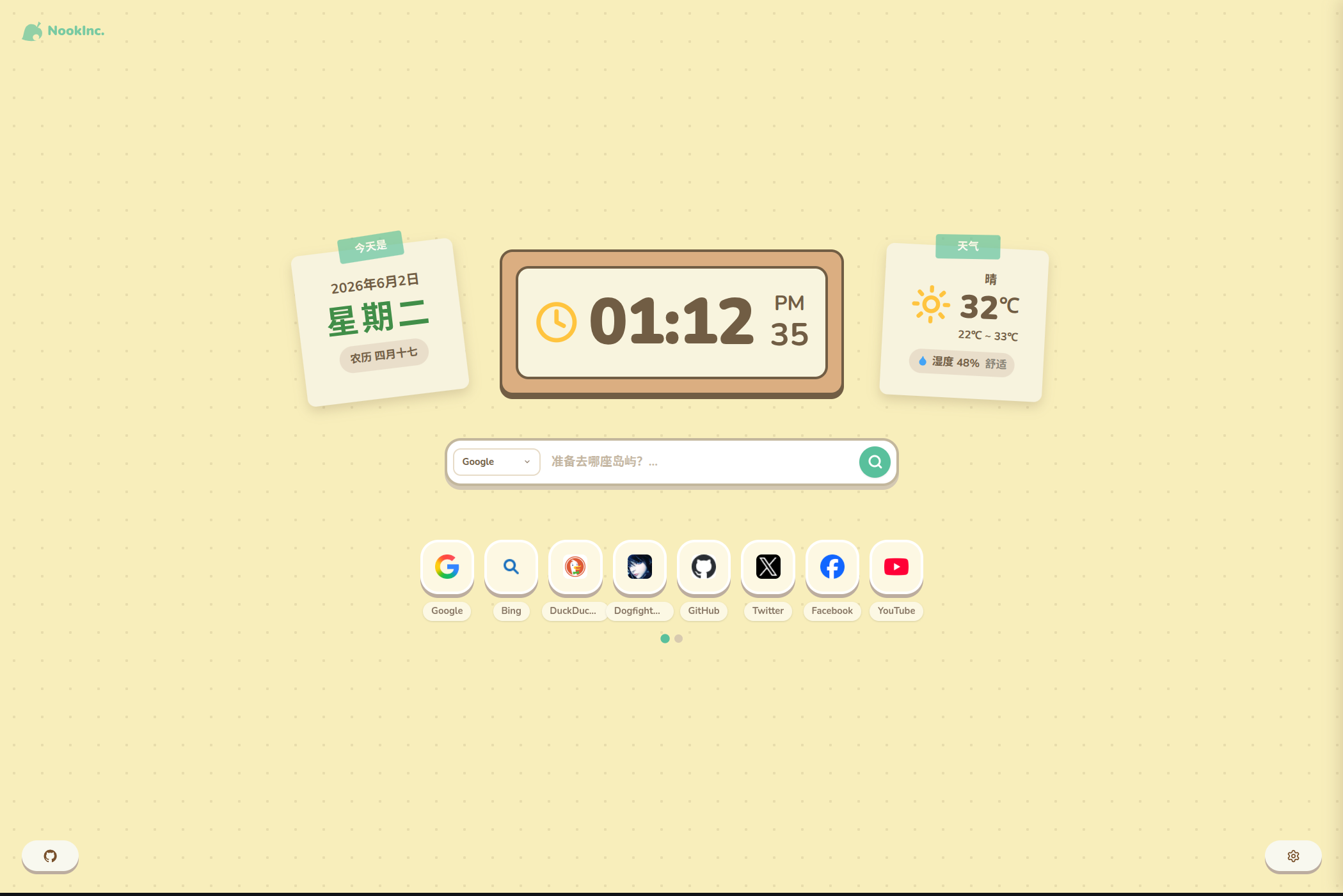
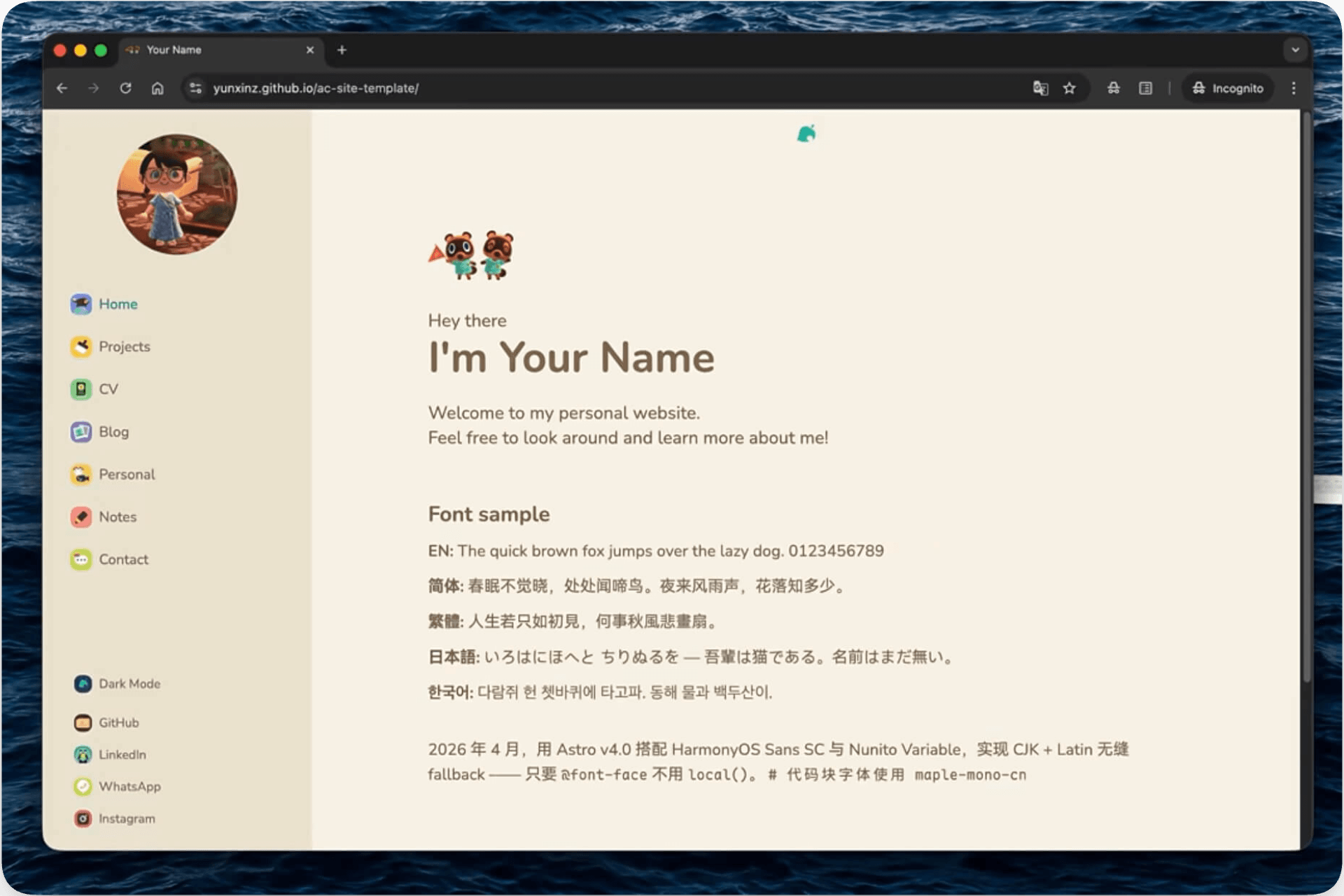
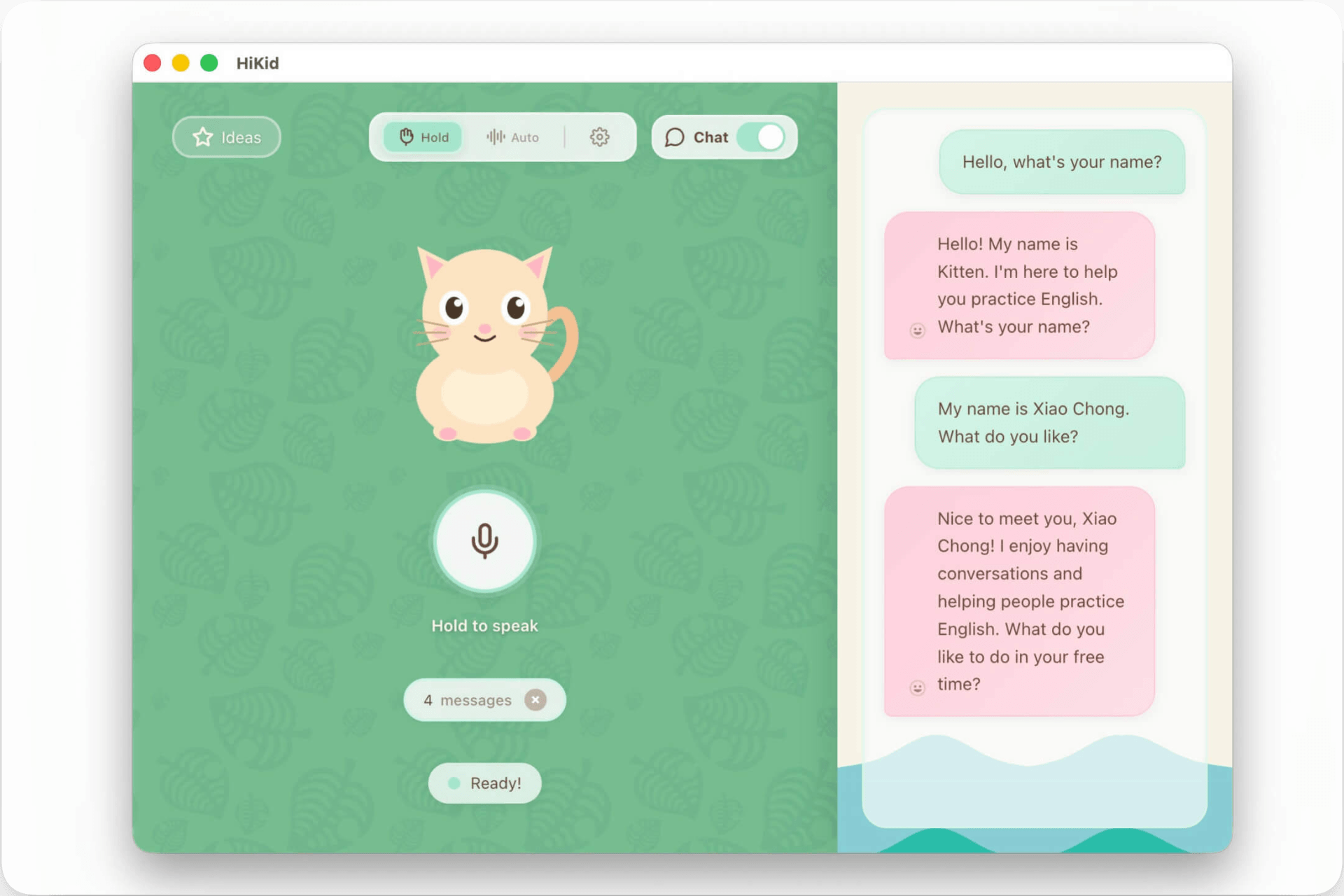
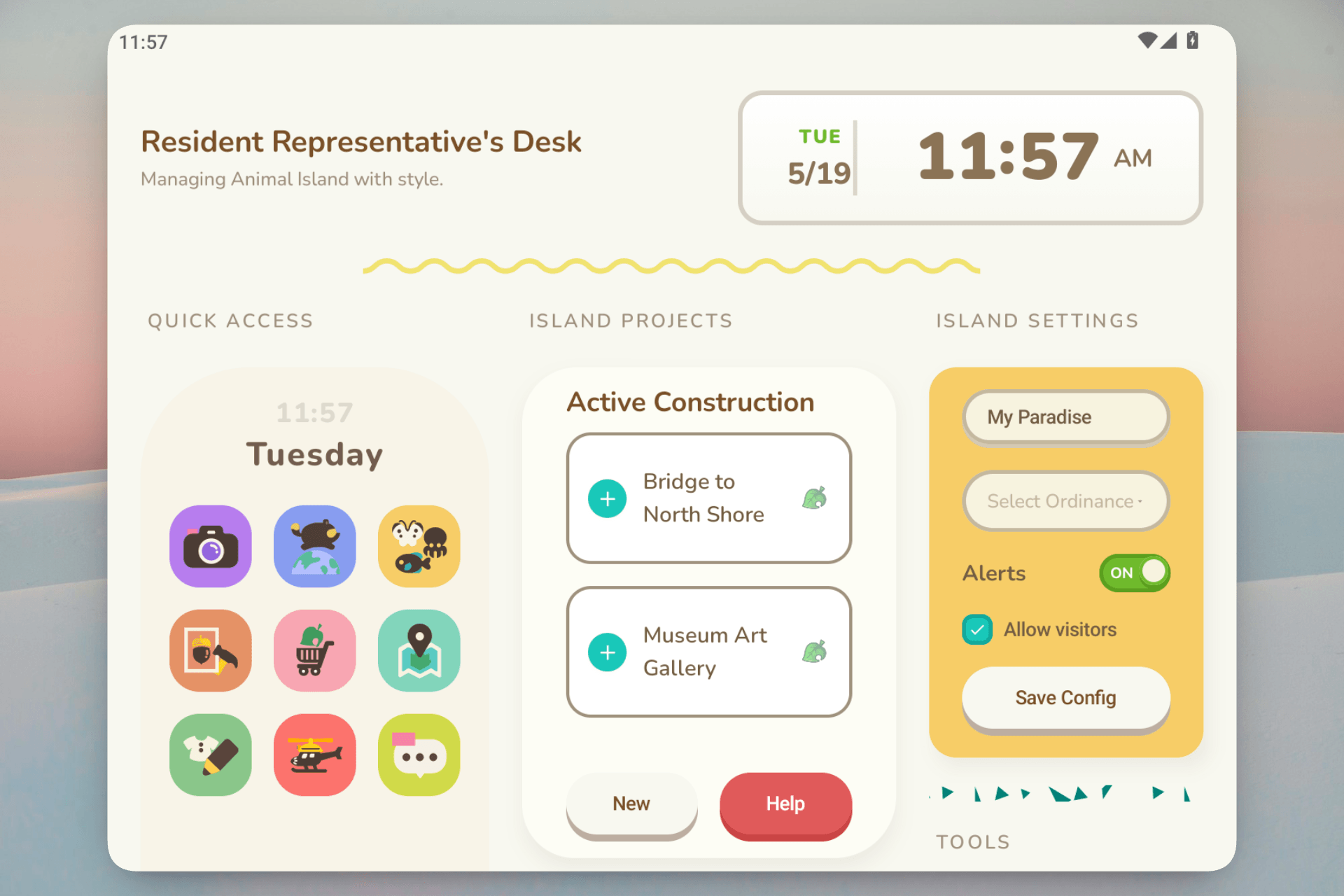
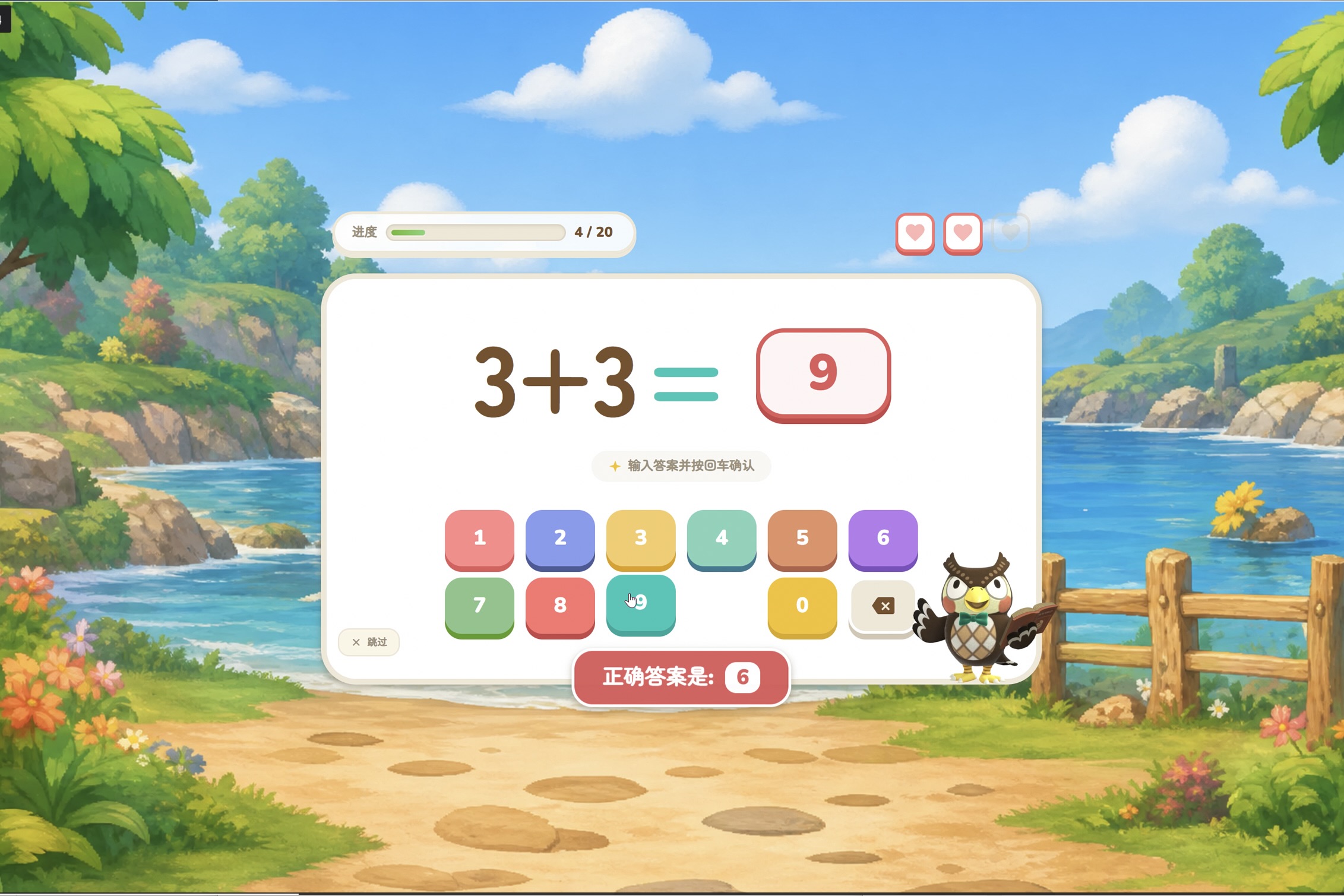
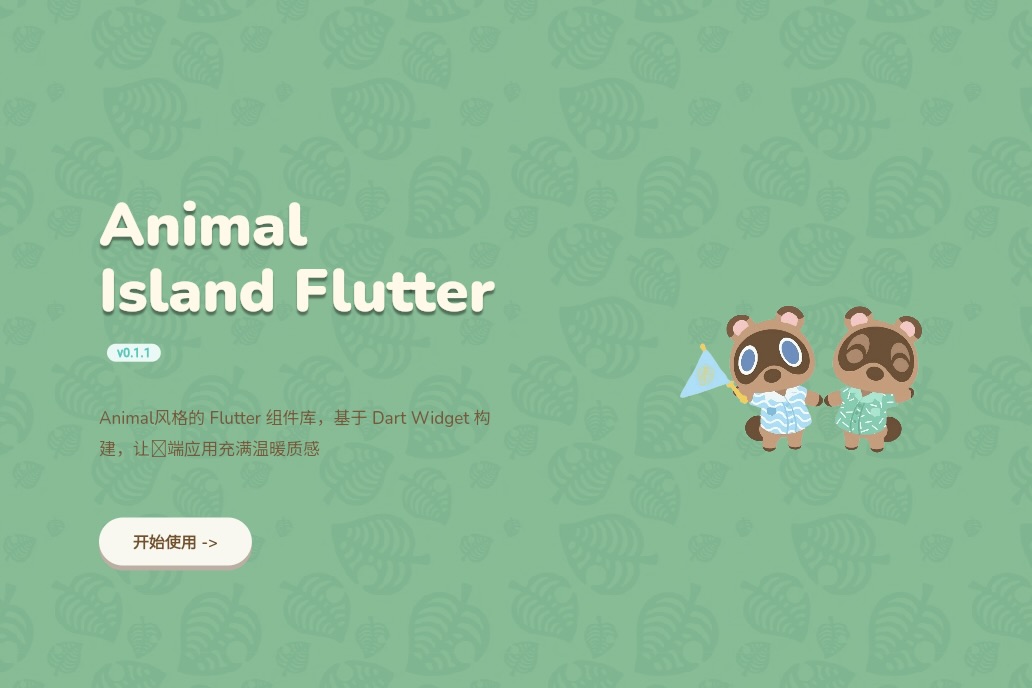
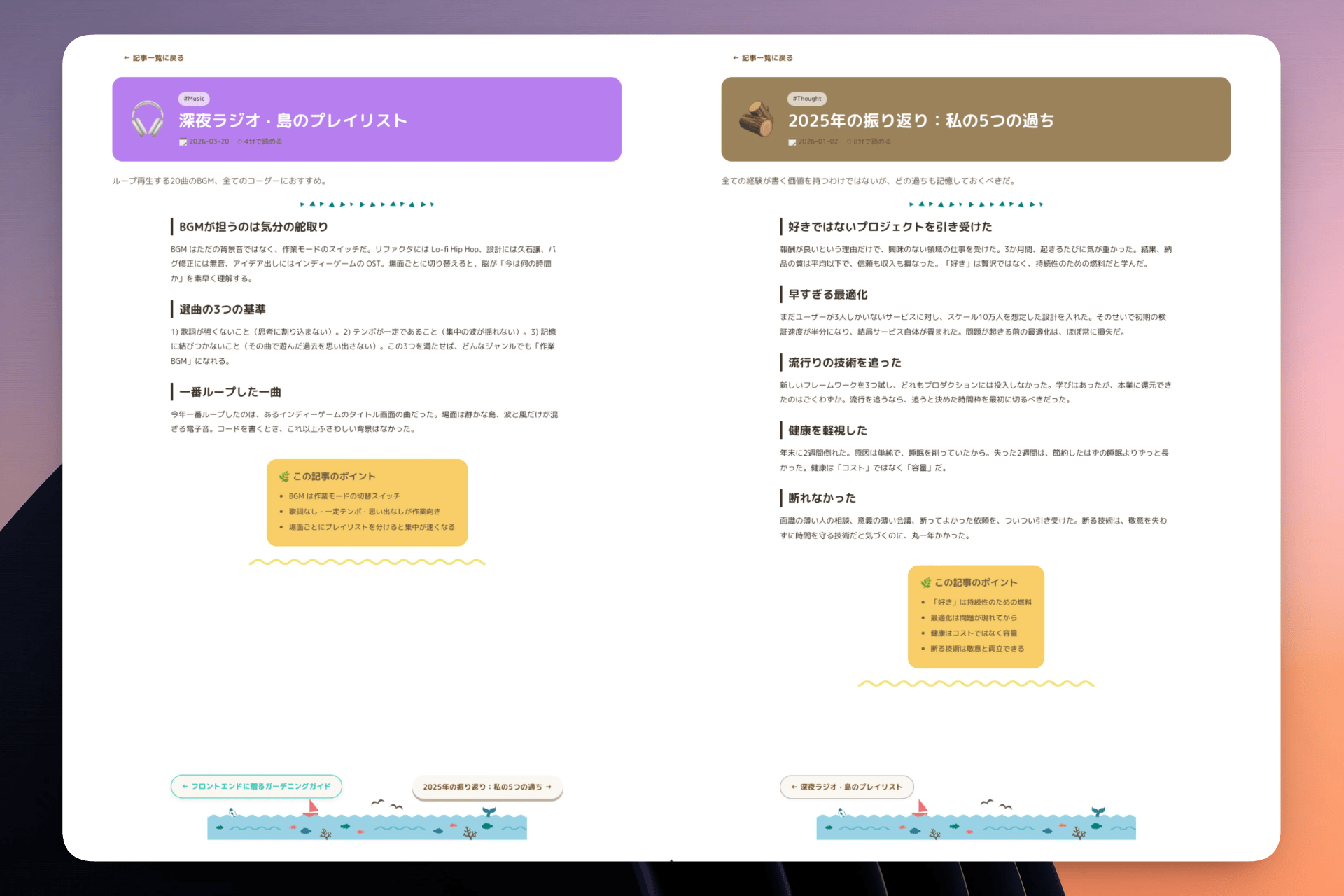
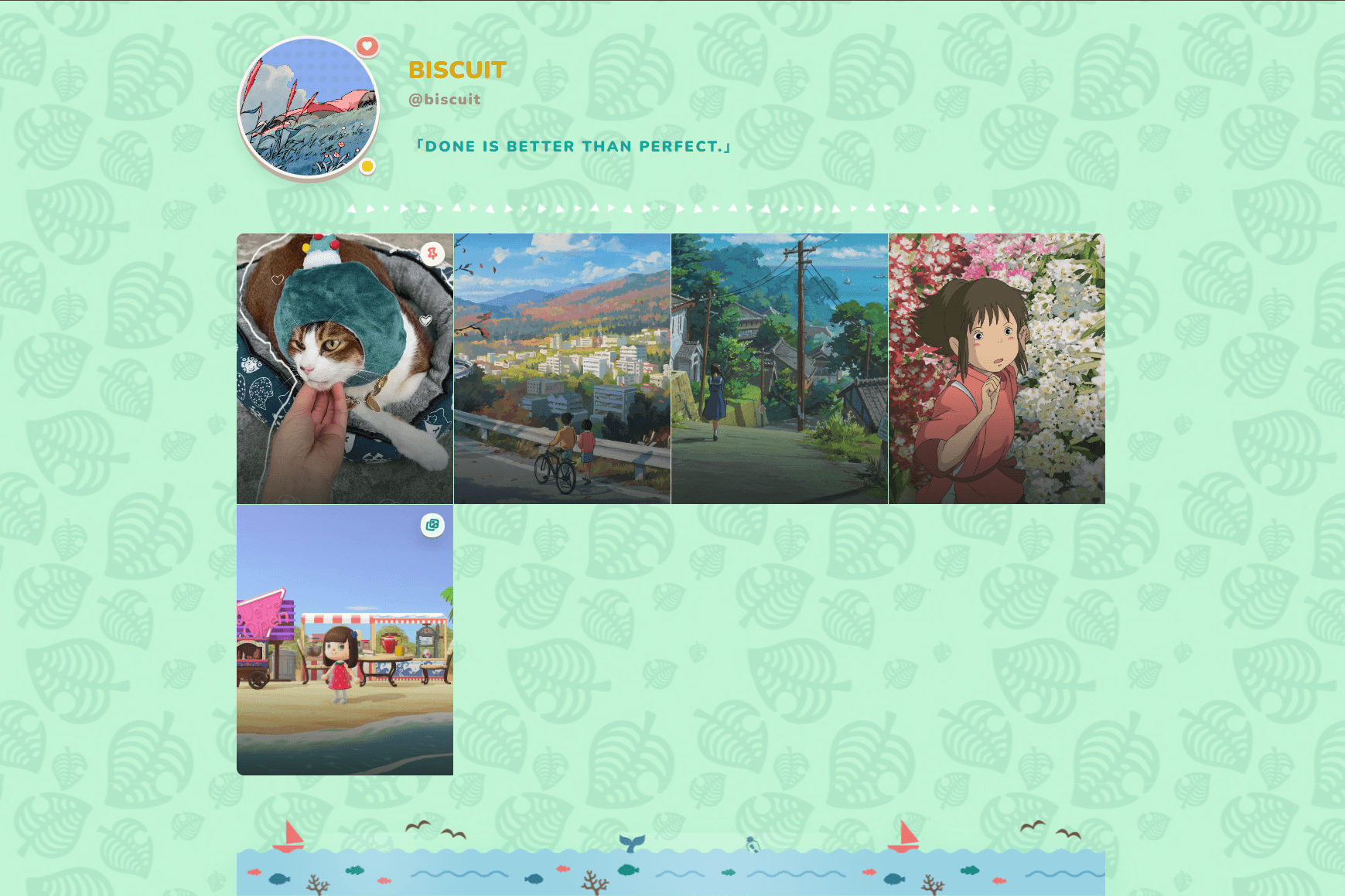
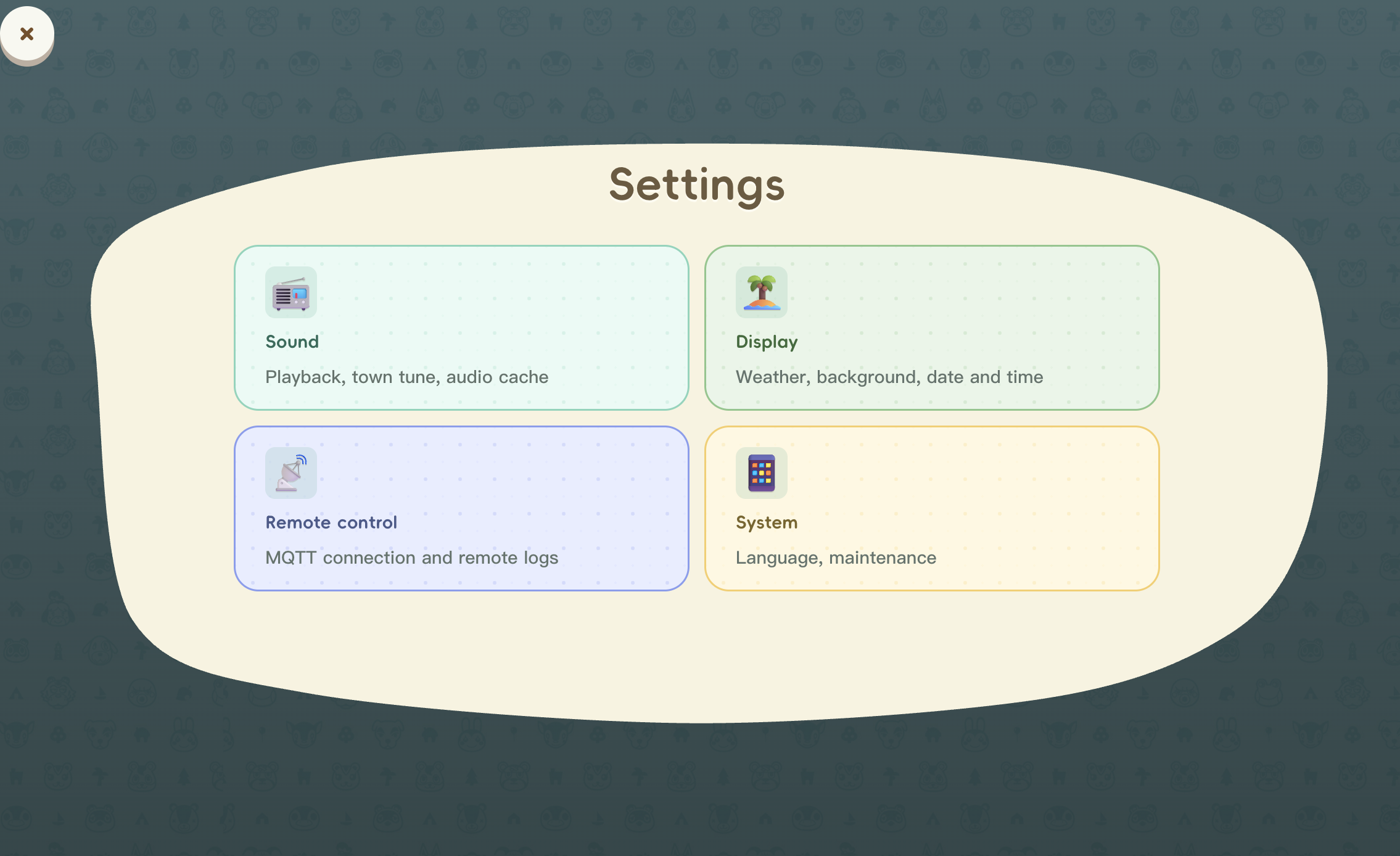
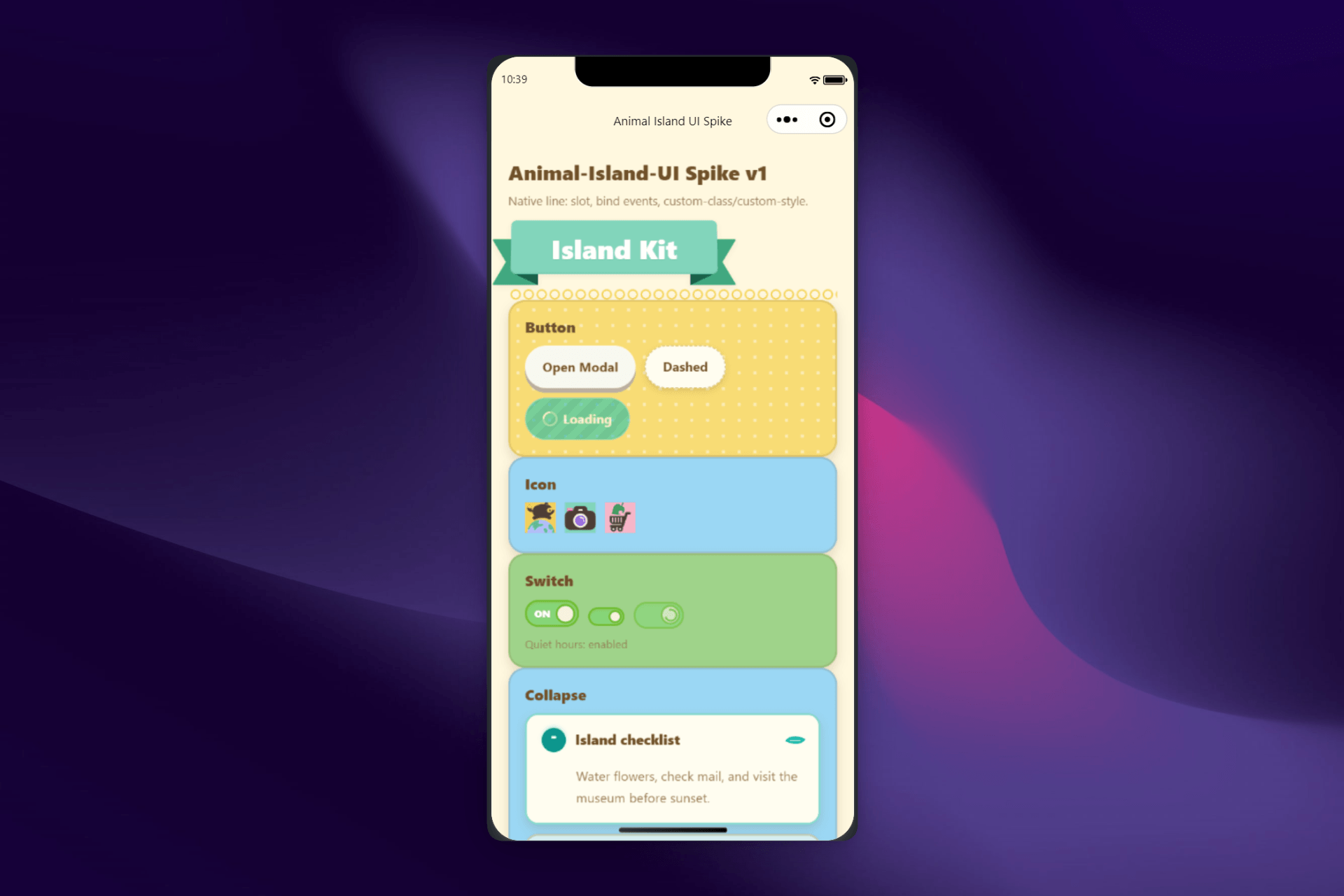
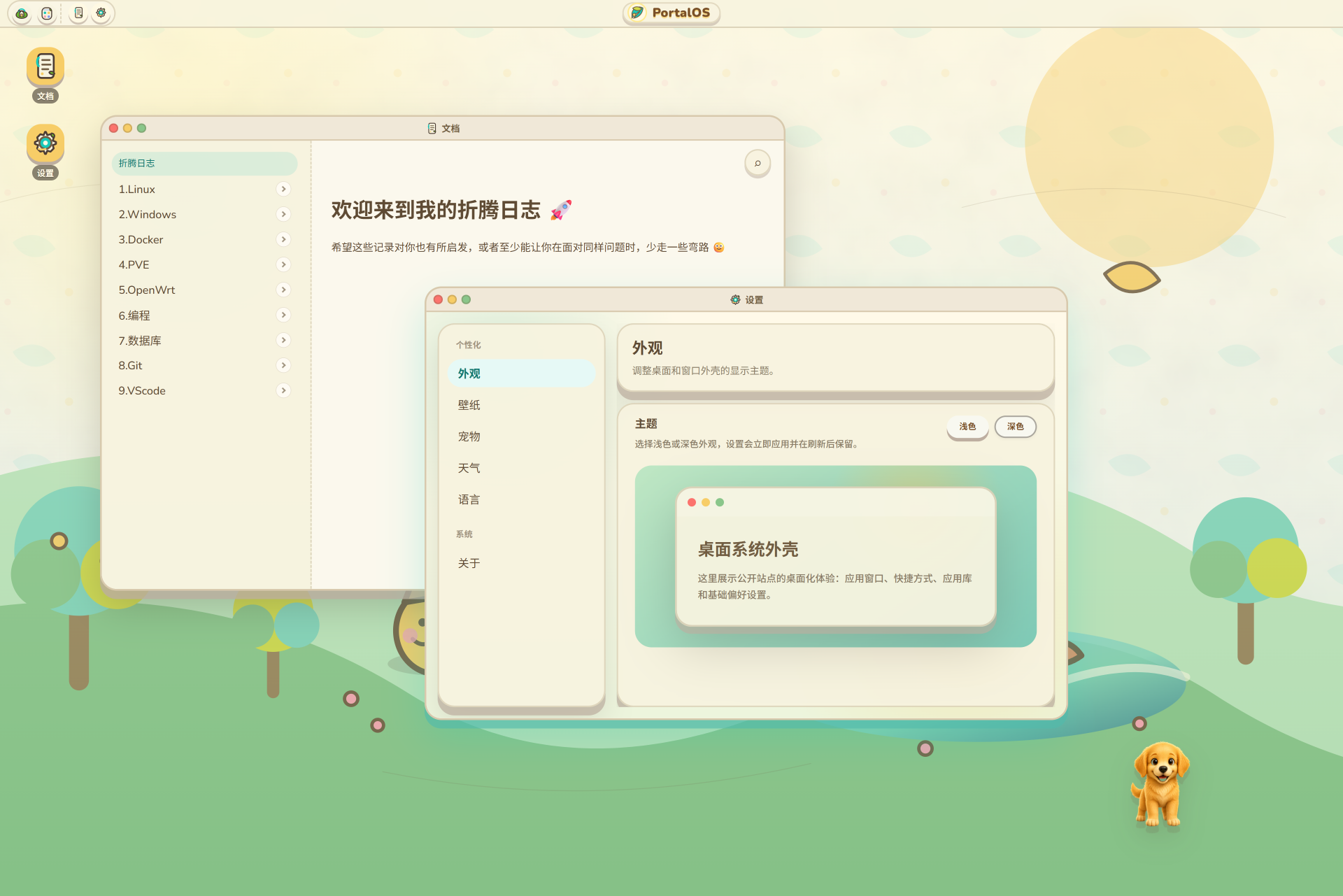
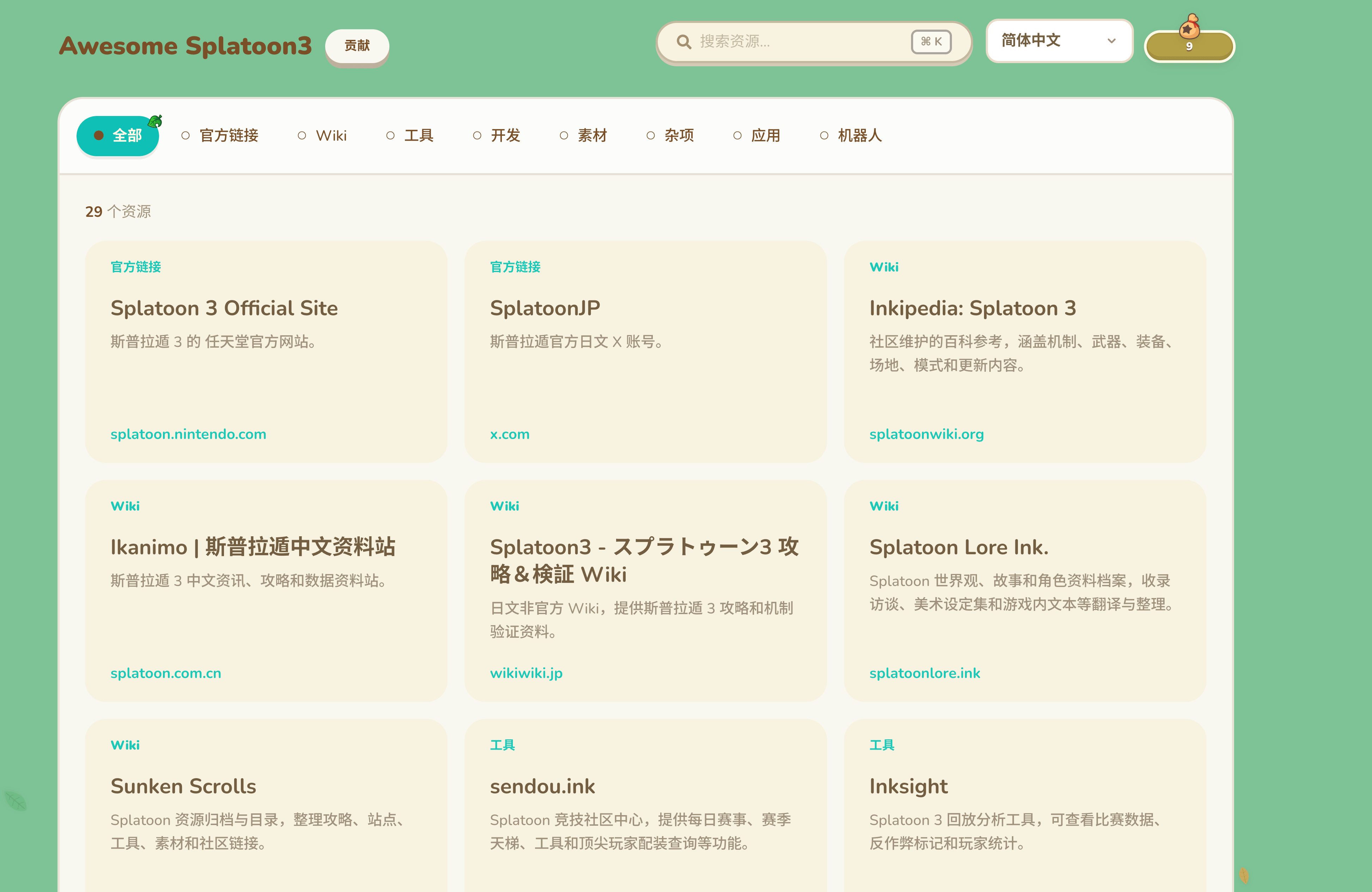
Animal 风格的 React 组件库 灵感来源于任天堂《集合啦!动物森友会》 Vue 版同步发布 Animal Crossing-style React UI component library, inspired by Nintendo's game visuals Vue version available.
3.8k
Stars
319
Forks
6
Open issues
7
Contributors


AI Analysis
Animal-Island-UI is a React component library styled after Nintendo's Animal Crossing: New Horizons, offering 28 pre-built UI components with TypeScript support and WAI-ARIA accessibility compliance. It serves designers and developers who want to build web applications with a cohesive, game-inspired aesthetic, and is best suited for hobby projects, personal portfolios, or small applications rather than enterprise systems requiring extensive customization.
Inferred from signals mentioned in the README (tests, CI, type safety) — not a review of the actual code.
AI's overall editorial judgment — not an average of the bars above, can weigh other factors too.
Animal Crossing-themed React UI library gaining traction as niche aesthetic choice for hobby projects
Animal-Island-UI is a React component library styled after Nintendo's Animal Crossing: New Horizons. Created in April 2026 as a learning project, it has accumulated 3,674 stars in ~2.5 months with 291 stars in the last week alone, suggesting rapid early adoption within communities drawn to retro-game aesthetics. The library ships 24 components, TypeScript support, WAI-ARIA accessibility, and 207 passing tests. It explicitly targets personal projects, small teams, and non-developers via AI-assisted page generation rather than enterprise use. Maintained actively, but adoption remains concentrated in niche aesthetic circles rather than mainstream production applications.
Project launched April 2026 as a personal learning initiative to practice React component development. Inspired directly by Animal Crossing: New Horizons visual design language. Concurrent Vue version exists, suggesting deliberate framework coverage strategy. Recent feature additions include AI-assisted page generation (PROMPT.md) and extensive design documentation (DESIGN_PROMPT.md), indicating pivot toward accessibility for non-technical users.
Exceptionally rapid early growth: 3,674 stars in ~11 weeks (April–June 2026), with 291 stars in final 7 days alone before analysis date. This suggests viral or community-driven momentum, possibly amplified by HelloGitHub feature mentioned in README badges. Growth pattern is typical of aesthetic/novelty-driven UI libraries that capture niche communities quickly. Sustainable growth trajectory unclear; depends on whether adoption moves beyond early enthusiasts to sustained project use.
Adoption not verified. README mentions 'usage cases' section (truncated in provided excerpt) and references external showcase project (animal-island-new-tab), but no public case studies, production deployments, or adoption metrics disclosed. npm download figures mentioned in badge but actual numbers not provided. GitHub-based adoption (stars, forks) visible; real-world production usage remains undocumented.
Based on README, appears to be a modular component library built with React + TypeScript. Likely uses CSS-in-JS or scoped stylesheets given emphasis on importing styles explicitly (`import 'animal-island-ui/style'`). README mentions independent design and implementation of visual elements, layouts, icons, and animations without reusing official Nintendo assets. Actual implementation patterns not inspectable from metadata alone.
README claims 207 passing tests and displays coverage badge linked to JSON endpoint, but actual coverage percentage not stated. Test count suggests basic test suite exists; coverage badge infrastructure implies CI/CD integration. Not documented whether tests cover accessibility claims (WAI-ARIA APG badge present).
Last push 2026-06-26, 1 day before analysis date — actively maintained. 24 components documented. Frequent updates implied by recent feature additions (AI generation docs, design tokens). No evidence of abandoned issues or PR backlog decay from available metadata. Appears to be actively evolving rather than in maintenance-only mode.
ADOPT IF: you are building a hobby project, personal website, or internal tool where the Animal Crossing aesthetic is a deliberate design goal and you value the AI-assisted page generation feature for rapid prototyping without coding. Team understands this is a narrowly-scoped aesthetic library, not a general-purpose component system. AVOID IF: you need production-grade support, enterprise maturity, broad accessibility across use cases, or long-term API stability—the project is too new (2.5 months old) and adoption too nascent to rely on for critical applications. Also avoid if Animal Crossing aesthetic is not a design requirement; general React libraries offer broader component sets and ecosystem support. MONITOR IF: you are considering this for a semi-public or semi-commercial project; watch for adoption evidence, breaking changes, and maintainer bandwidth over the next 6–12 months before betting on it.
Independent dimensions
Mainstream potential
2/10
Technical importance
4/10
Adoption evidence
3/10
- Project is only 2.5 months old; untested during long-term maintenance burden or when creator attention shifts.
- Adoption concentration in niche aesthetic circle; may plateau as early adopters saturate. Viral growth does not guarantee sustained adoption.
- License is CC-BY-NC-4.0 (non-commercial); commercial use legally restricted, limiting enterprise adoption and creating liability for projects that grow commercially.
- Styling locked to Animal Crossing aesthetic; inflexible for teams needing design customization or brand alignment outside this narrow theme.
- Component count (24) is modest; library may lack depth for complex application UIs, forcing users to combine with other libraries.
Animal-Island-UI will likely remain a specialized, well-maintained niche library within communities valuing retro-game aesthetics and hobbyist development. Rapid early growth may plateau within 12 months as market saturates. Long-term success depends on maintainer commitment and whether community contributions sustain development. Unlikely to break into mainstream production use due to aesthetic specificity and non-commercial license. May spawn similar aesthetic-driven libraries or become a template pattern for other game-inspired UI projects.
Newsletter
Get analyses like this every Monday
Free weekly digest of the most interesting open-source discoveries.
Languages
Information
- Language
- TypeScript
- License
- NOASSERTION
- Last updated
- 3d ago
- Created
- 3mo ago
- Analyzed with
- anthropic/claude-haiku-4-5
Stars over time
Contributors over time
Top 100 contributors only — repos with more will plateau at 100.
Open issues
Open pull requests
No open pull requests.
Top contributors
Similar repos

akveo/react-native-ui-kitten
UI Kitten is a React Native UI component library built on the Eva Design...

nolly-studio/cult-ui
Cult/ui is a collection of 92+ copy-paste React components styled with Tailwind...

ui-layouts/uilayouts
UI Layouts is a React component library built with TypeScript, Tailwind CSS,...
| Repository | Stars | Week Δ | Language | Score | Updated |
|---|---|---|---|---|---|
|
guokaigdg/animal-island-ui
this
|
3.8k | +66 | TypeScript | 7/10 | 3d ago |
|
akveo/react-native-ui-kitten
|
10.7k | — | TypeScript | 7/10 | 4mo ago |
|
nolly-studio/cult-ui
|
5.8k | — | TypeScript | 7/10 | 2mo ago |
 untitleduico/react untitleduico/react
|
1.8k | — | TypeScript | 7/10 | 21h ago |
|
ui-layouts/uilayouts
|
3.5k | — | TypeScript | 6/10 | 5d ago |
 Logging-Studio/RetroUI Logging-Studio/RetroUI
|
1.5k | — | TypeScript | 7/10 | 2w ago |
General-purpose React component library; much larger scope and ecosystem. Mature production adoption. Animal-Island-UI targets aesthetic preference and niche use cases; not a direct replacement.
Cross-platform React Native focus; theming-oriented. Animal-Island-UI is web-only, design-locked to Animal Crossing aesthetic. Different problem domain.
Alternative aesthetic-driven component library. Animal-Island-UI differentiates via specific Animal Crossing visual language and AI-assisted generation; both target niche aesthetic markets.
Similar star count but appears layout-focused. Animal-Island-UI is component-centric with cohesive game-inspired aesthetic.
Enterprise-standard libraries. Animal-Island-UI explicitly does not target this use case; serves diametrically opposite market (hobby, aesthetic, non-developer-friendly).