LangChain 的中文入门教程
9.1k
Stars
711
Forks
2
Open issues
10
Contributors



AI Analysis
This is a Chinese-language tutorial and educational guide for LangChain, an open-source framework for building applications with large language models. It serves learners who want to understand LangChain concepts, integrations with OpenAI/Hugging Face, document loaders, vector stores, chains, and agents. Best suited for Chinese-speaking developers and students entering the LLM application space; not intended as API reference documentation or for production deployment guidance.
Inferred from signals mentioned in the README (tests, CI, type safety) — not a review of the actual code.
AI's overall editorial judgment — not an average of the bars above, can weigh other factors too.
Chinese-language LangChain tutorial that filled a documentation gap for Mandarin-speaking developers in 2023
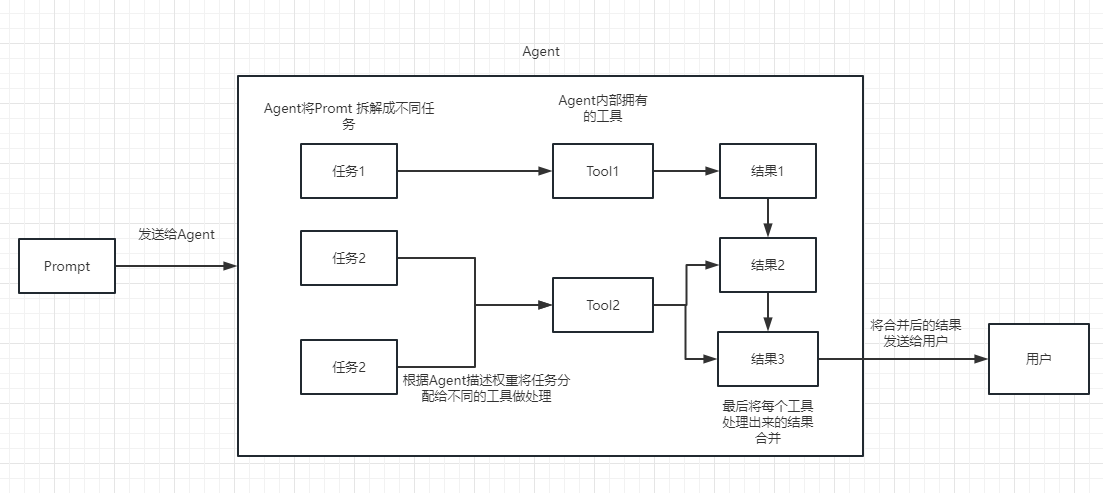
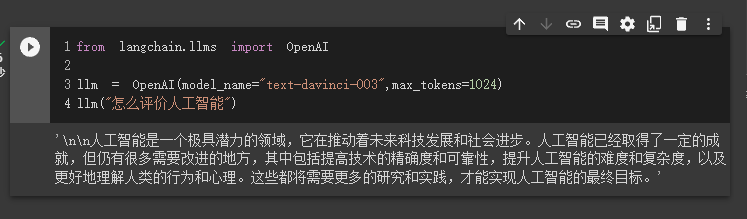
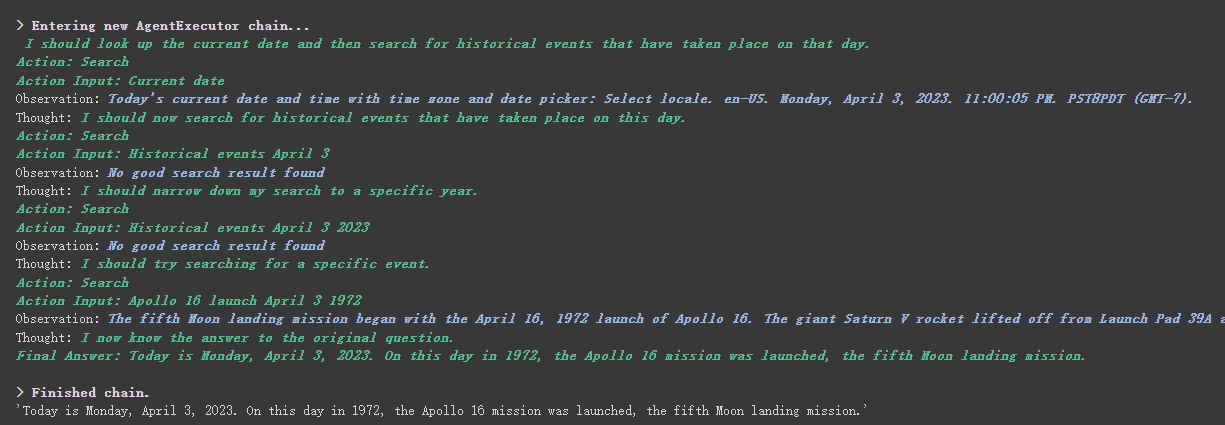
This repository is a Chinese-language introductory guide to LangChain, not a library or framework itself. It targets Mandarin-speaking developers — particularly in mainland China — who found the English-only official LangChain documentation inaccessible. It covers core concepts (Loaders, Chains, Agents, Embeddings, Vectorstores) with annotated code examples and links to a hosted GitBook. The author has also published a companion printed book and a separate MCP guide, indicating sustained investment in this educational direction.
Created in April 2023, shortly after LangChain's early explosive growth period. It addressed a real gap: LangChain's official docs were English-only, and Chinese developer communities had limited LLM application development resources at the time.
Growth was driven by the broader LangChain and LLM hype wave of early-to-mid 2023 in China. The project accumulated ~9,000 stars relatively quickly, benefiting from high search demand among Chinese developers entering the LLM space. Growth has since slowed substantially — only 6 stars in the last 7 days as of analysis date — consistent with the tutorial having matured and LangChain's own ecosystem having expanded considerably.
Adoption not verified in production systems — this is a learning resource, not a deployable tool. Indirect signals include 9,048 stars, 710 forks, a published companion book (listed on JD.com), and a hosted GitBook, suggesting meaningful real-world readership within Chinese developer communities.
Not a software architecture — this is a documentation/tutorial repository. Likely consists of Markdown files, Jupyter/Colab notebooks (.ipynb), and image assets. The GitBook rendering suggests a structured multi-chapter layout.
Not documented in README — not applicable for a tutorial repository.
Last push was April 22, 2026, approximately 2 months before analysis date. The author acknowledges in the README that some Colab code may be outdated due to LangChain's fast iteration pace. A CHANGELOG exists, suggesting structured update tracking. Maintenance appears intermittent but not abandoned — slow and selective rather than stagnant.
ADOPT IF: you are a Mandarin-speaking developer new to LangChain and want a structured, concept-first introduction in Chinese with runnable examples. AVOID IF: you need up-to-date production patterns — some code examples reference older LangChain APIs that may be deprecated; rely on the official docs or newer resources for current best practices. MONITOR IF: you are a Chinese developer ecosystem watcher tracking what introductory LLM tooling resources remain actively maintained.
Independent dimensions
Mainstream potential
2/10
Technical importance
4/10
Adoption evidence
4/10
- LangChain's API has changed significantly since 2023; specific code examples in the tutorial are likely partially outdated, which could mislead beginners.
- The author explicitly warns about keeping pace with LangChain's rapid iteration, and maintenance appears selective rather than systematic.
- As official LangChain documentation and Chinese community resources have matured, the unique value of this guide may diminish over time.
- No license is listed, which creates ambiguity about reuse, translation, or incorporation into other educational materials.
- Growth has effectively plateaued — the tutorial may not evolve quickly enough to cover newer LangChain features like LangGraph or LCEL idioms introduced post-2023.
Likely to remain a useful historical reference and beginner entry point for Chinese developers, but may gradually lose relevance as official documentation improves and newer Chinese-language resources emerge. The companion book publication suggests the author views this as a completed body of work rather than an actively evolving guide.
Newsletter
Get analyses like this every Monday
Free weekly digest of the most interesting open-source discoveries.
Languages
No language breakdown available.
Information
- Last updated
- 3mo ago
- Created
- 40mo ago
- Analyzed with
- anthropic/claude-haiku-4-5
Stars over time
Contributors over time
Top 100 contributors only — repos with more will plateau at 100.
Open issues
No open issues — clean slate.
Open pull requests
Top contributors
Recent releases
No releases published yet.
Similar repos

langchain-ai/chat-langchain
Chat LangChain is a documentation assistant agent built with LangGraph that...

chatchat-space/Langchain-Chatchat
Langchain-Chatchat is an open-source RAG (Retrieval-Augmented Generation) and...
| Repository | Stars | Week Δ | Language | Score | Updated |
|---|---|---|---|---|---|
|
liaokongVFX/LangChain-Chinese-Getting-Started-Guide
this
|
9.1k | +8 | — | 7/10 | 3mo ago |
|
langchain-ai/langchain
|
141.5k | — | Python | 8/10 | 3h ago |
|
langchain-ai/chat-langchain
|
6.4k | — | TypeScript | 8/10 | 11h ago |
 tmc/langchaingo tmc/langchaingo
|
9.5k | — | Go | 7/10 | 6mo ago |
|
chatchat-space/Langchain-Chatchat
|
38.3k | — | Python | 7/10 | 8mo ago |
 tryAGI/LangChain tryAGI/LangChain
|
1.1k | — | C# | 7/10 | 3w ago |
The official LangChain documentation is English-first. This guide served as a lower-friction entry point for Chinese speakers, though official docs have improved and added more language-neutral content over time.
Langchain-Chatchat is a full application built on LangChain for Chinese users, not a tutorial. It solves a different problem — deployment of a working RAG system — whereas this guide teaches concepts from scratch.
A Go-language port of LangChain. Targets a different language ecosystem entirely and is a library, not documentation. Not directly comparable.
Several Chinese developers have published similar onboarding guides since mid-2023. This one benefits from early-mover advantage, a companion book, and consistent update history, but faces increasing competition from newer, more up-to-date alternatives.