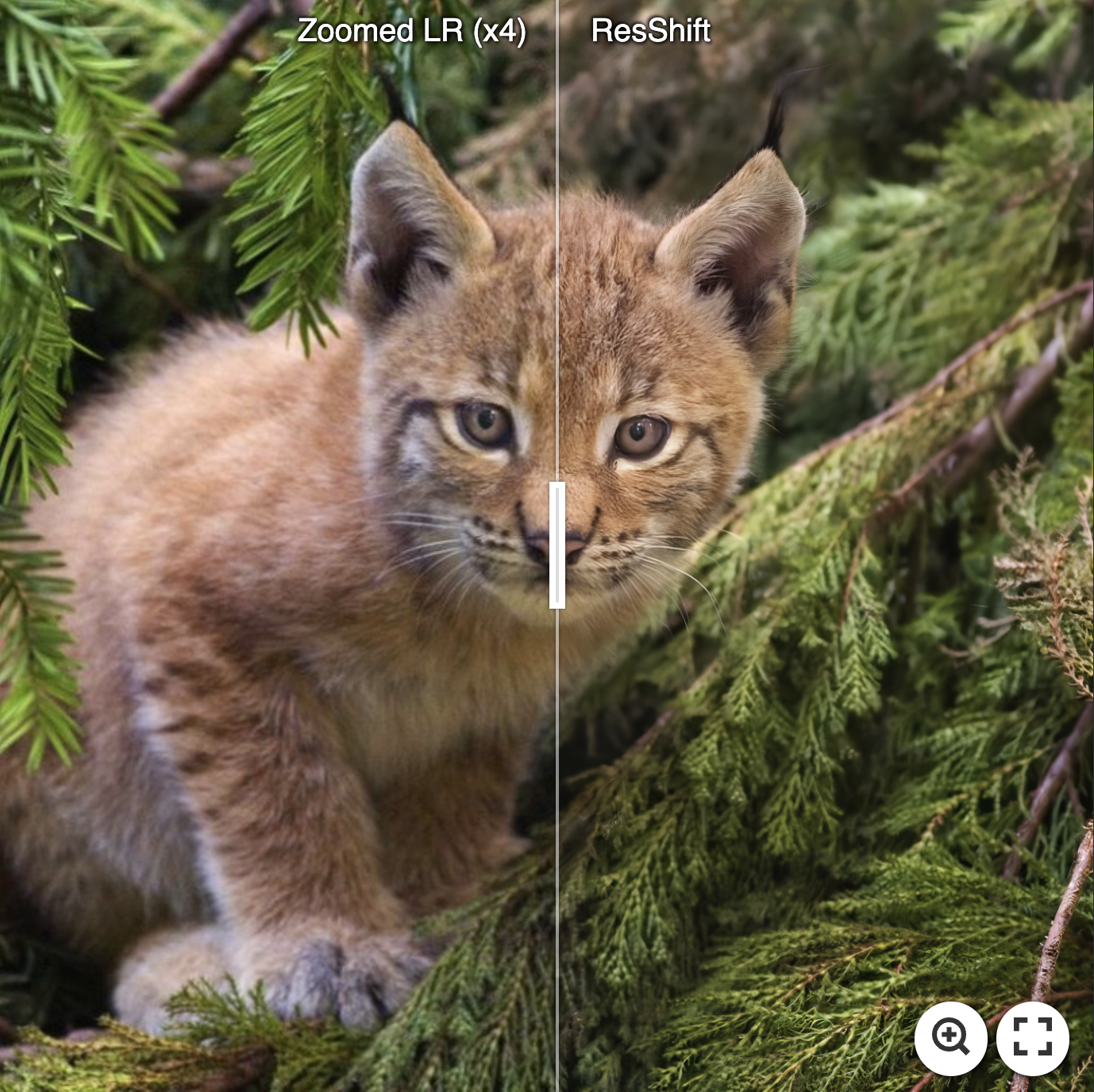
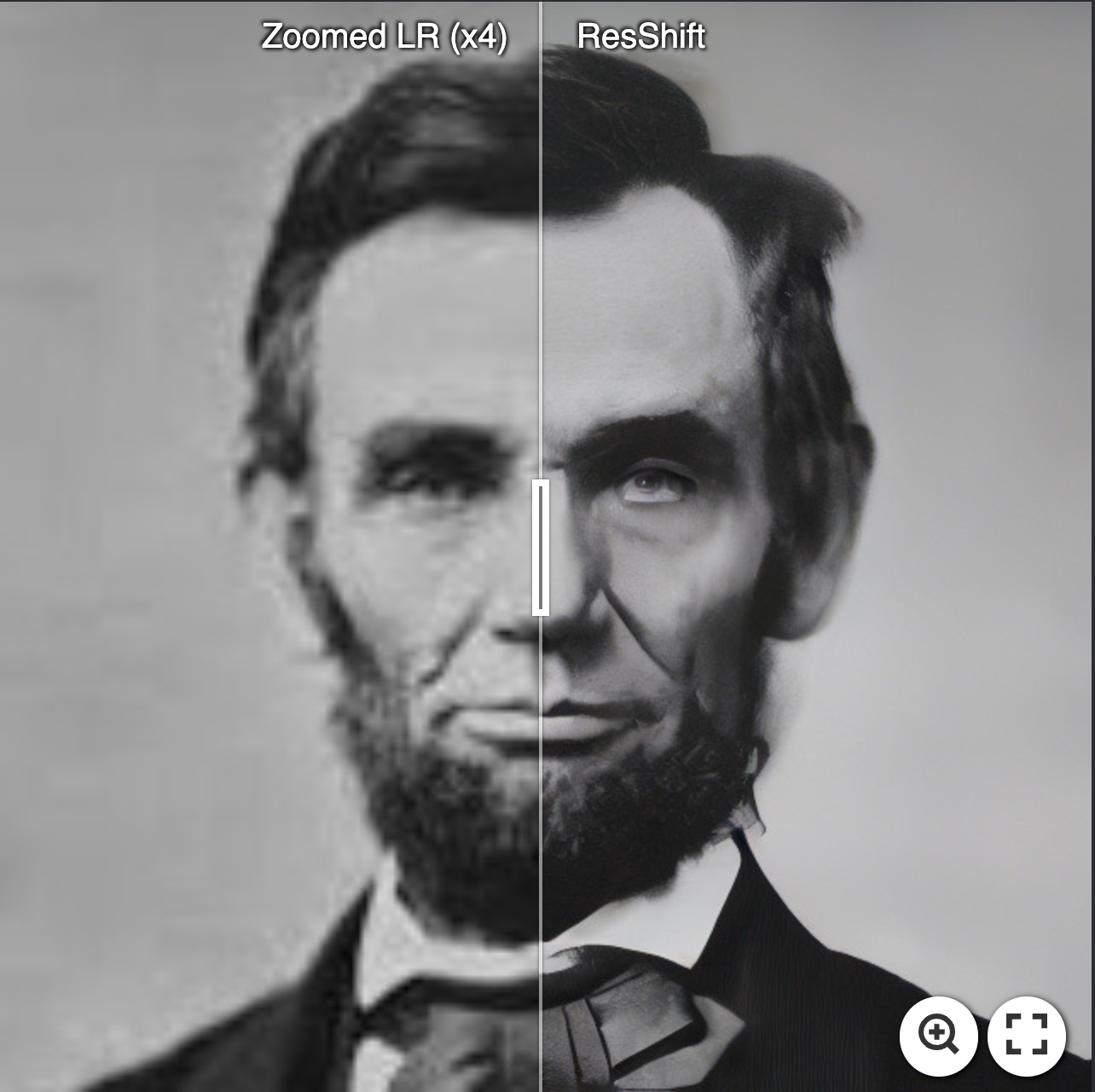
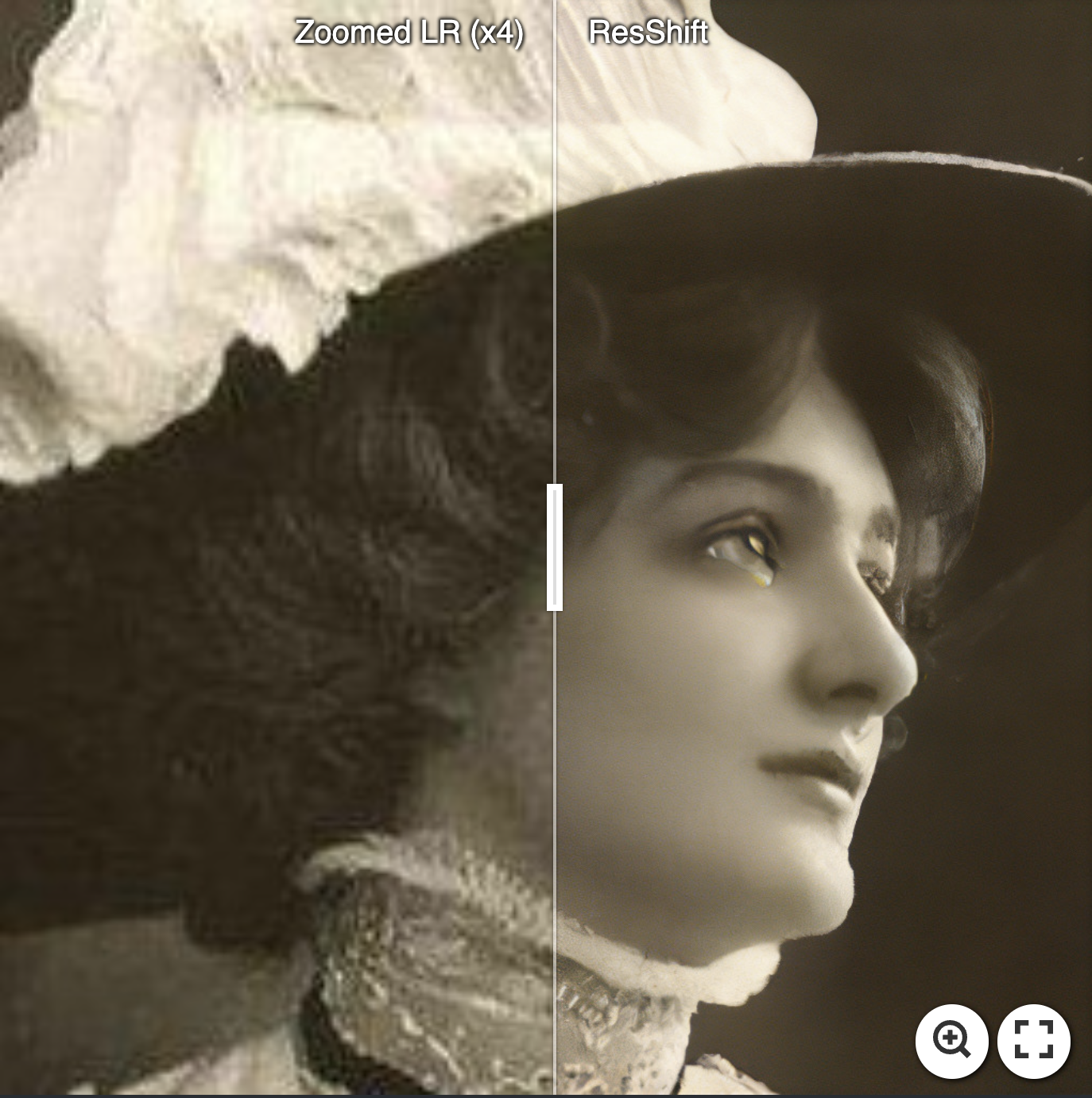
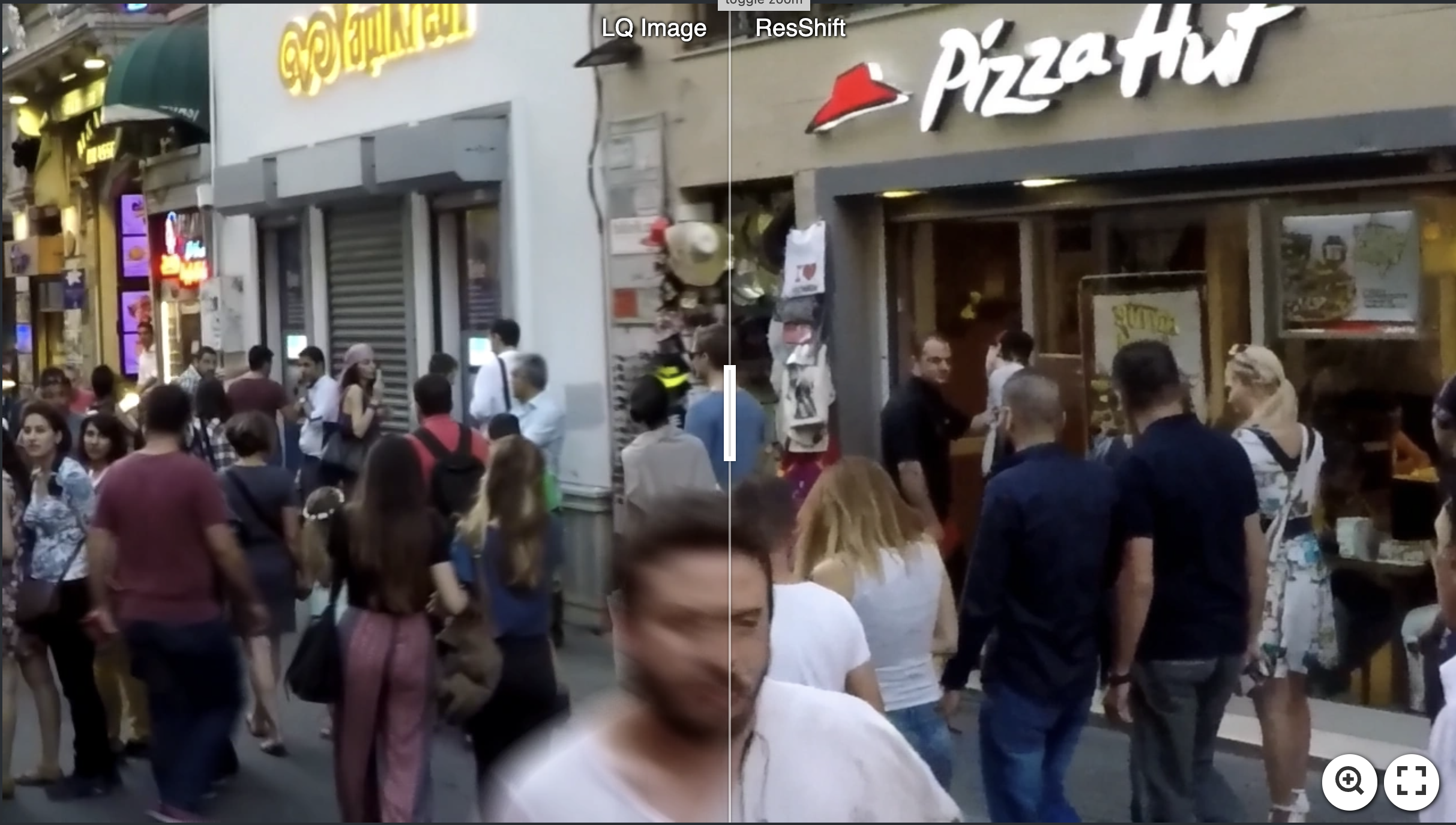
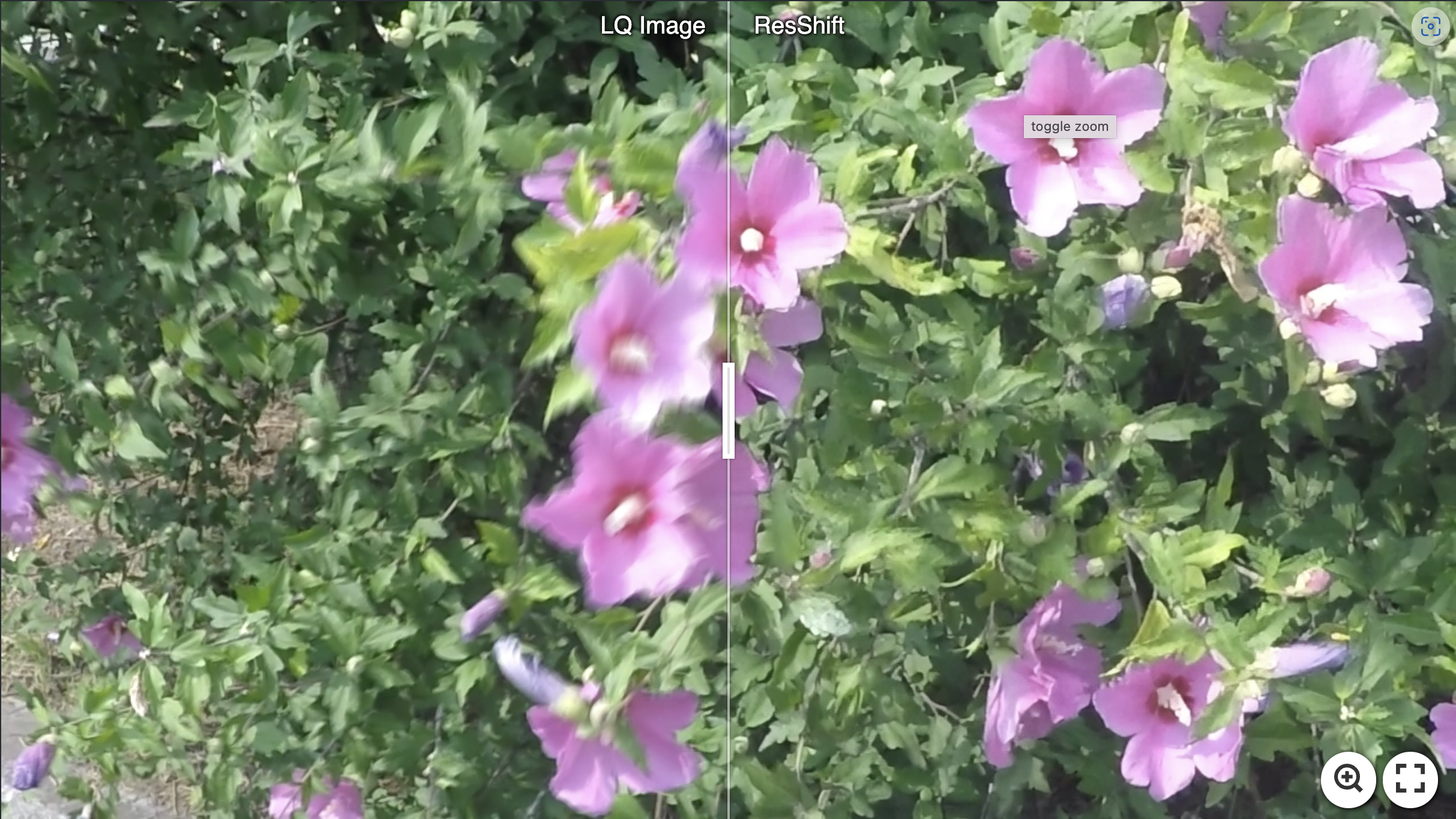
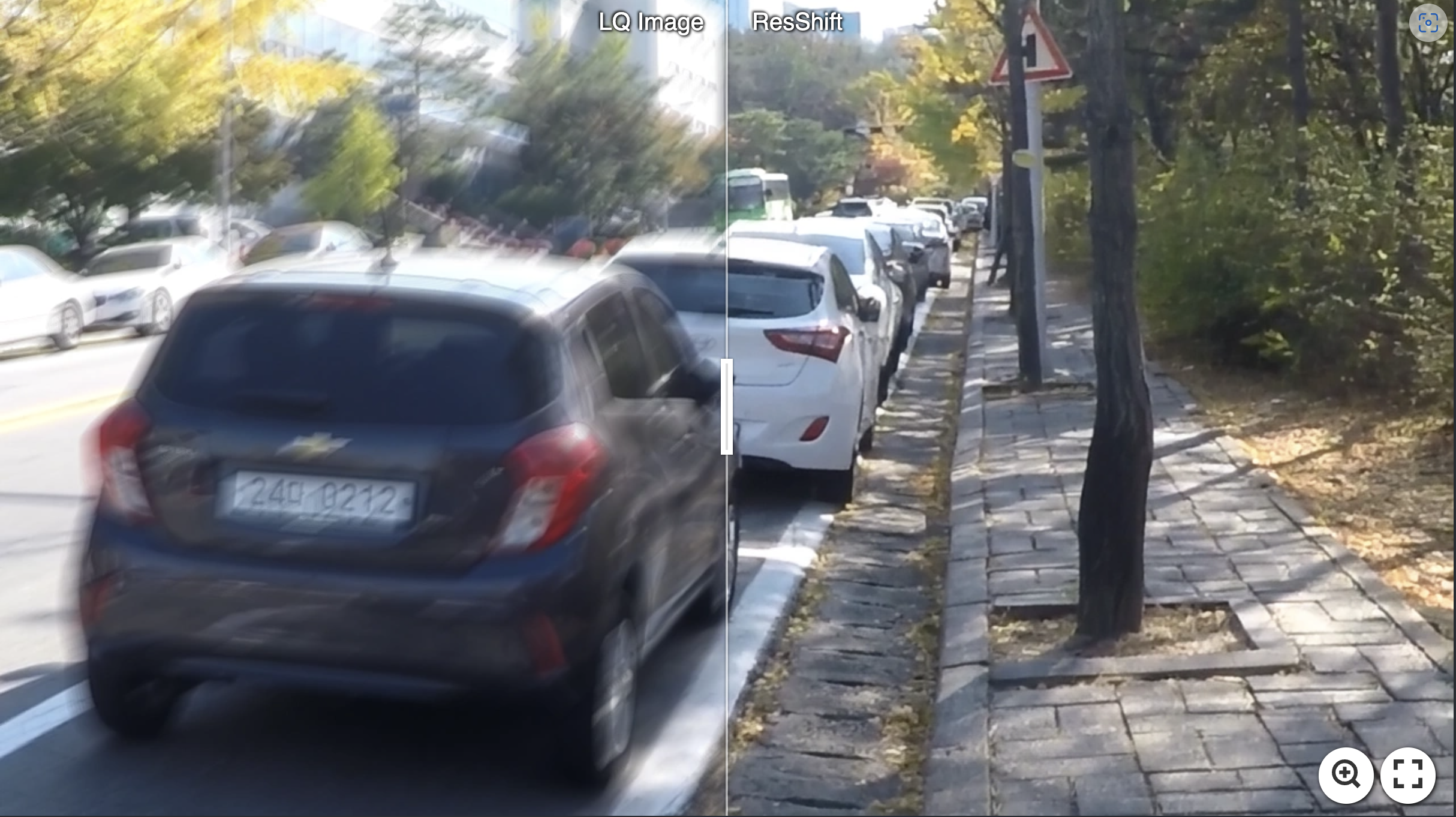
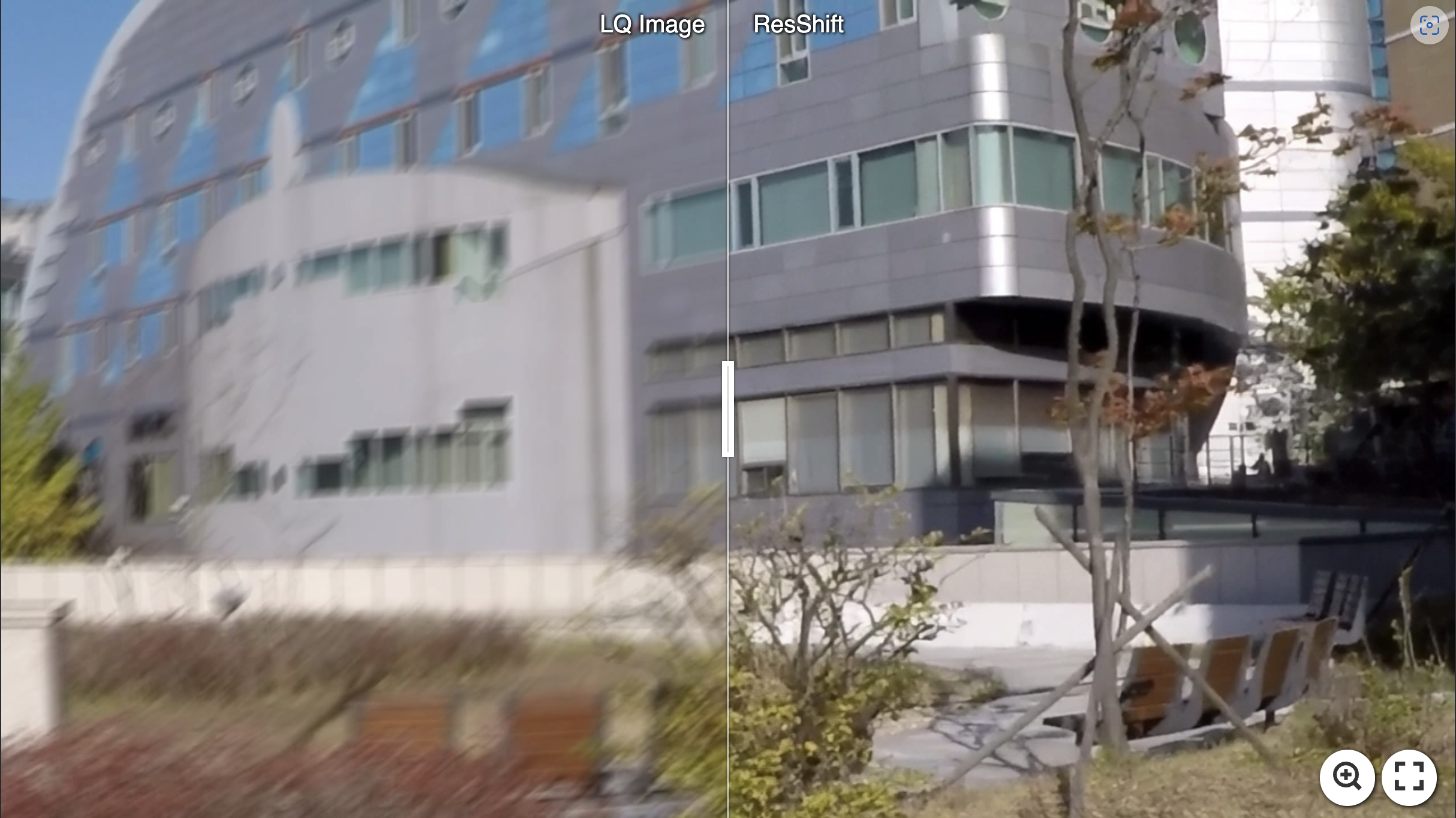
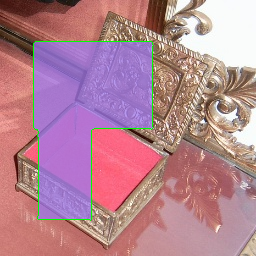
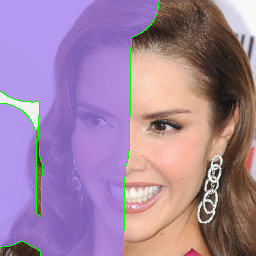
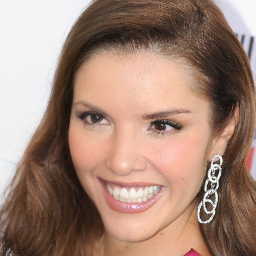
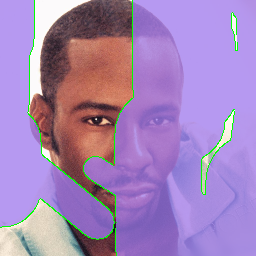
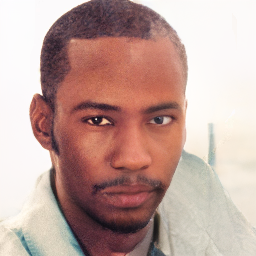
ResShift: Efficient Diffusion Model for Image Super-resolution by Residual Shifting (NeurIPS@2023 Spotlight, TPAMI@2024)
1.4k
Stars
94
Forks
108
Open issues
6
Contributors




AI Analysis
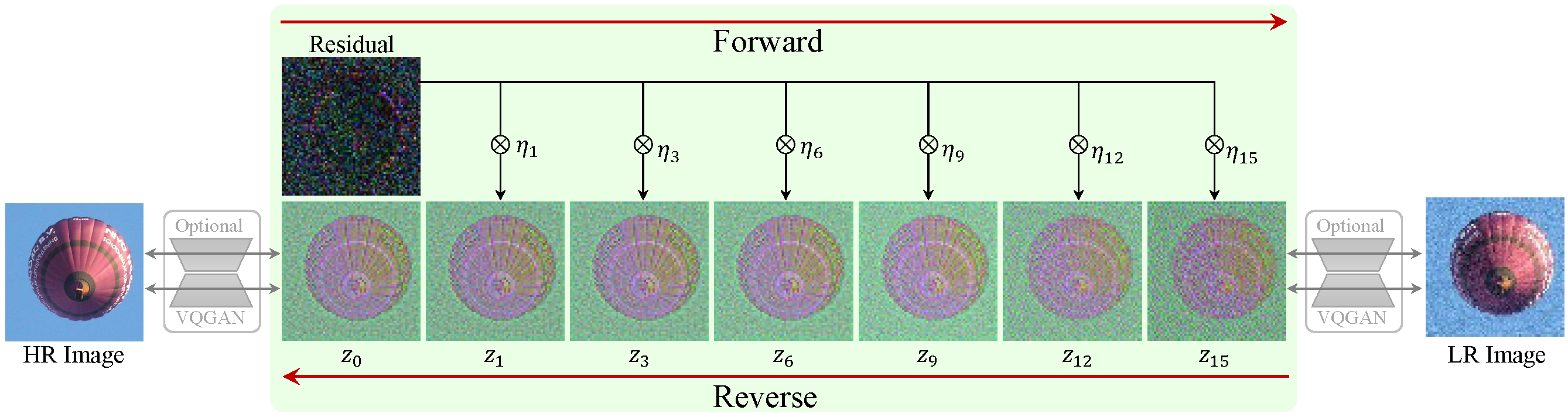
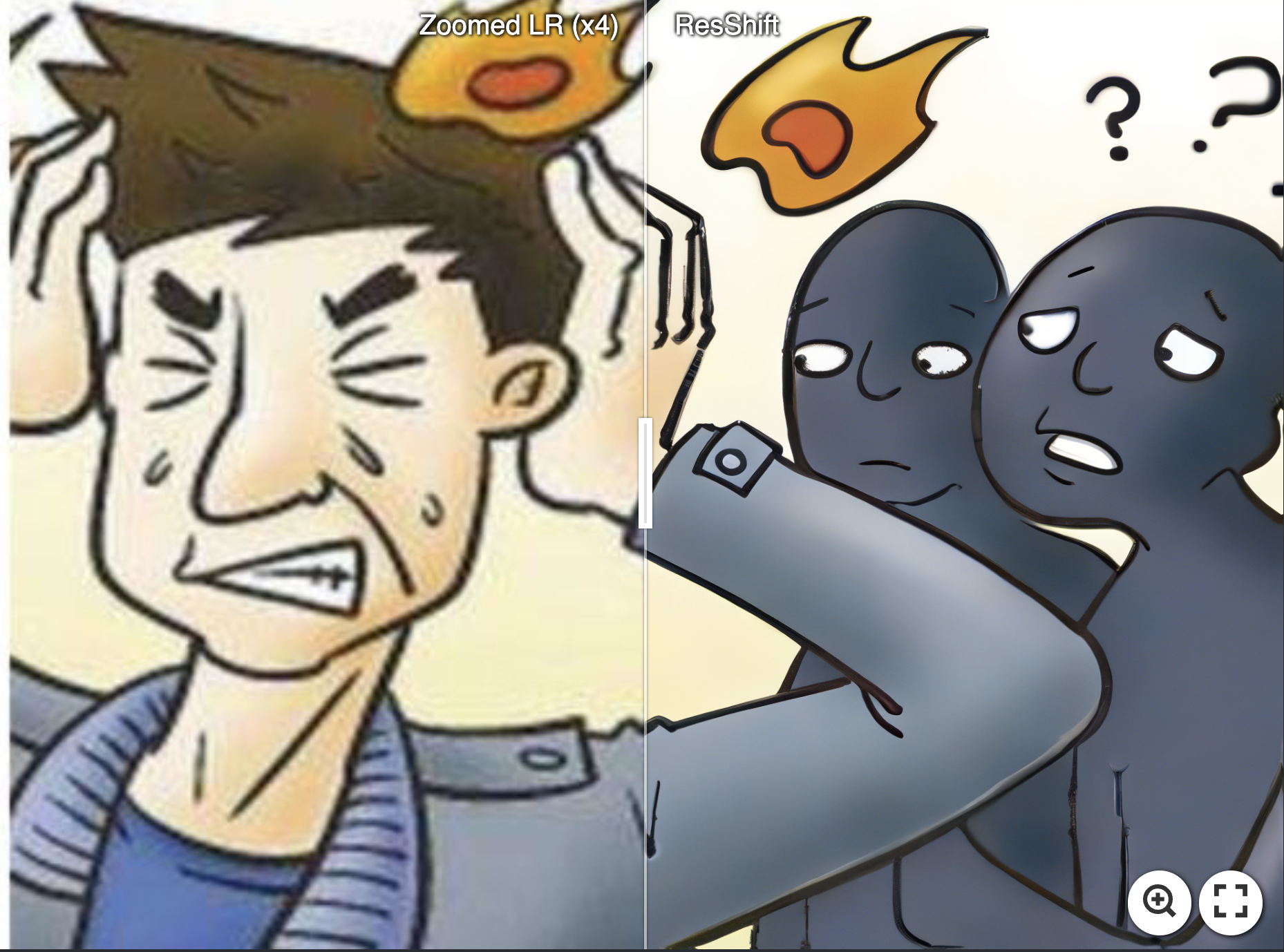
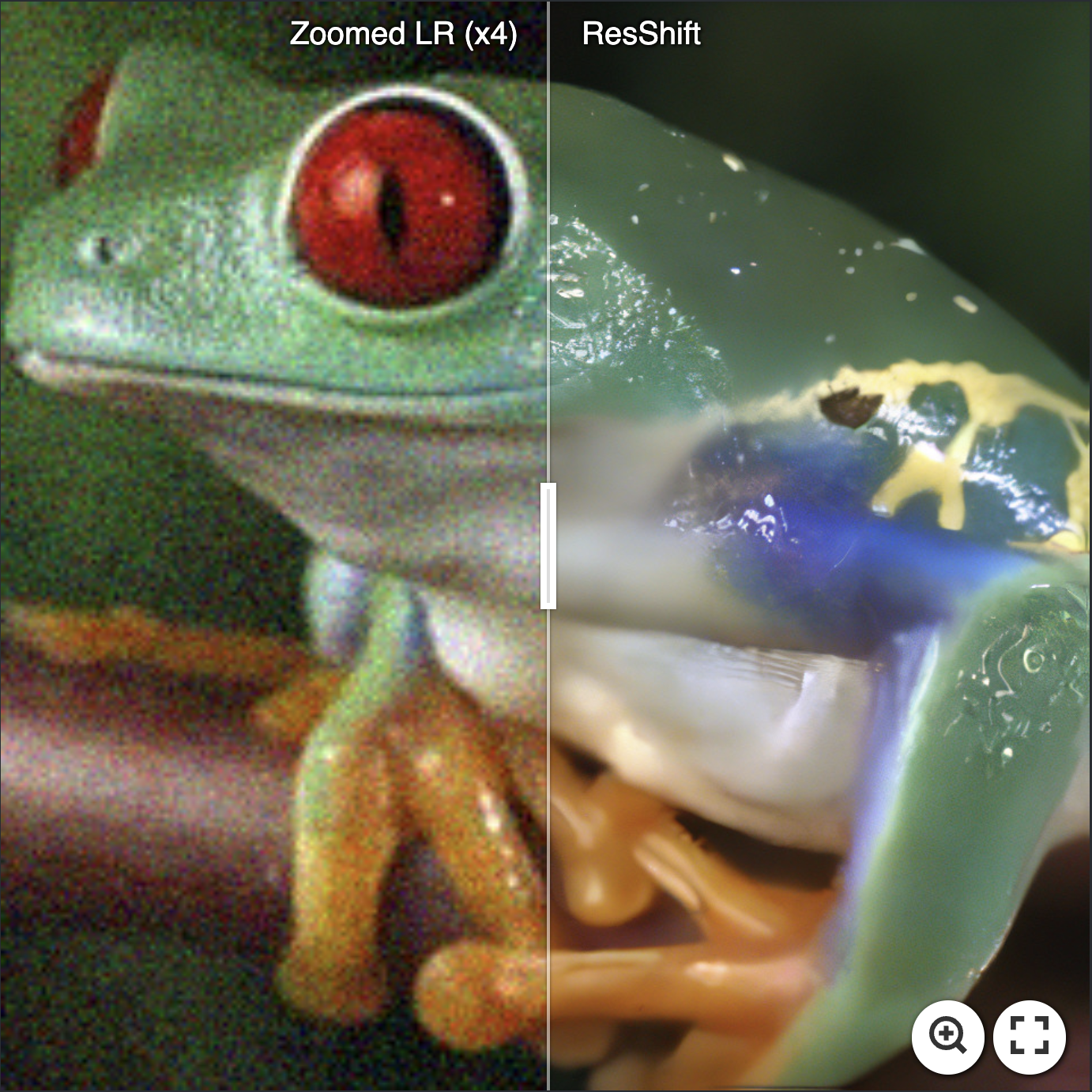
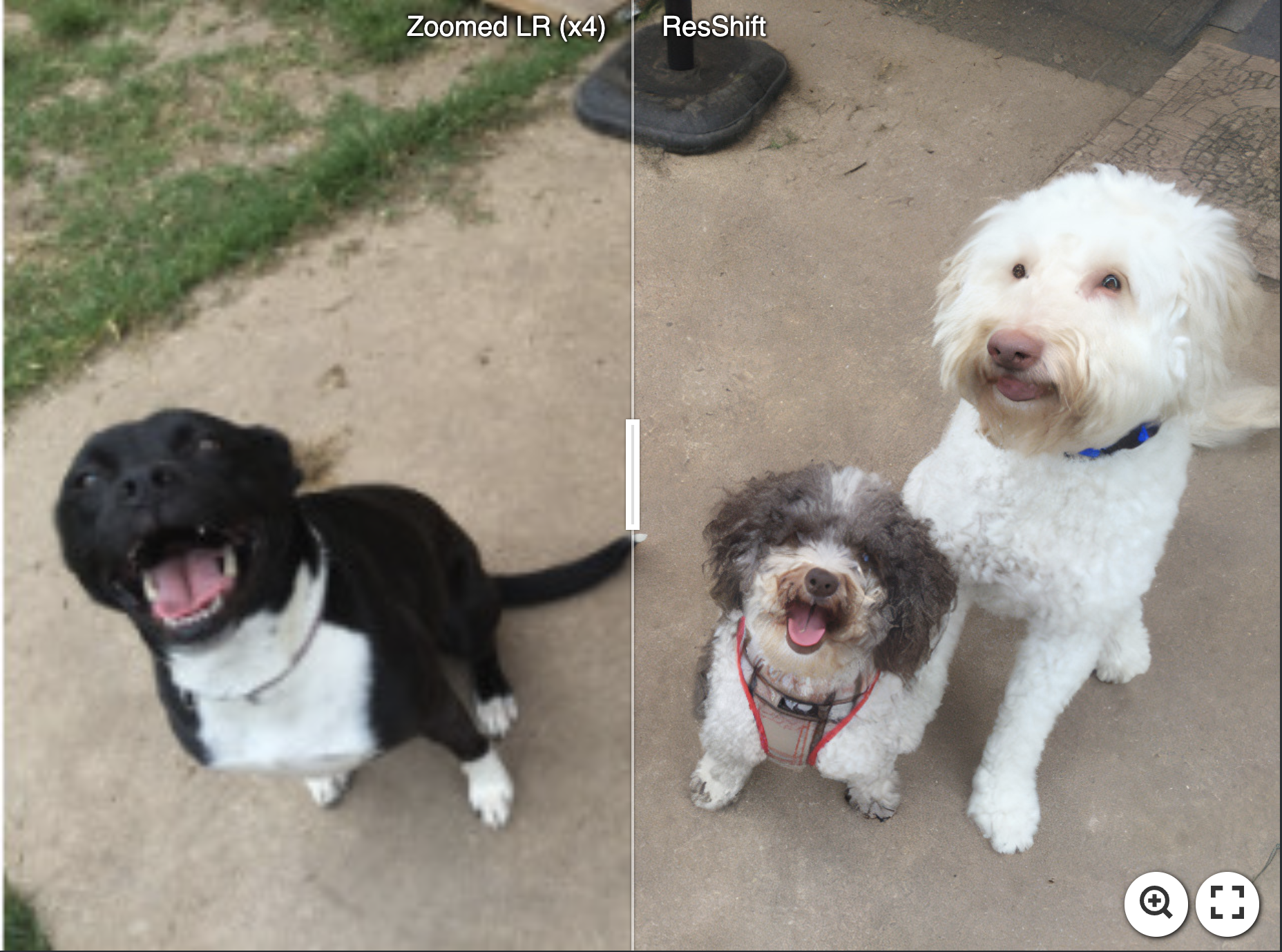
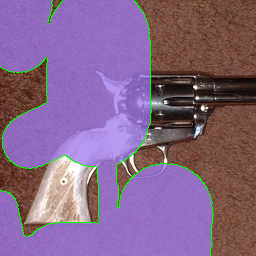
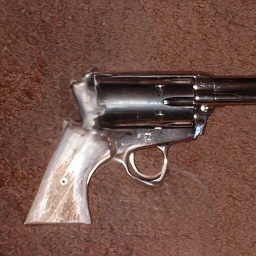
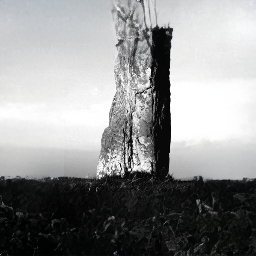
ResShift is a specialized diffusion model for image super-resolution that accelerates inference through residual shifting, achieving competitive results with only 15 sampling steps instead of hundreds. It is a research tool best suited for computer vision researchers and practitioners working on image enhancement tasks; not intended for general-purpose image processing or production deployments requiring minimal setup.
Inferred from signals mentioned in the README (tests, CI, type safety) — not a review of the actual code.
AI's overall editorial judgment — not an average of the bars above, can weigh other factors too.
Efficient diffusion-based image super-resolution with residual shifting—academic research with accessible demos
ResShift is a diffusion model for image super-resolution that reduces inference steps from hundreds to ~15 by shifting residuals between low- and high-resolution images. Built by researchers at NTU/S-Lab and published at NeurIPS 2023 (Spotlight) and TPAMI 2024, it targets academic researchers and practitioners needing fast SR with quality. Adoption appears concentrated in research communities; commercial deployment is not documented.
Created March 2023, peaked in interest around NeurIPS 2023 acceptance. Extended to journal publication (TPAMI 2024) and expanded to deblurring and inpainting tasks. Represents an optimization approach within the broader category of diffusion-based SR methods.
Star growth appears modest (1,411 total, ~2/week currently). Initial climb likely corresponded with conference acceptance and demo availability (Colab, Replicate badges added July–August 2023). Growth has plateaued; project remains actively maintained but not accelerating. Repository activity remains steady: last push July 8, 2026, consistent update cadence through 2024–2025.
Adoption not verified in open documentation. Colab and Replicate demos available (indicators of accessibility), but no published case studies, deployment counts, or enterprise usage reports. No linked companies, applications, or downstream projects mentioned in README. Citation count and downstream research adoption cannot be assessed from repository metadata alone.
Based on README: a diffusion model using residual shifting as the core innovation. Requires Python 3.10, PyTorch 2.1.2, xformers 0.0.23. Appears to be a research codebase with multiple task configurations (x2/x4 super-resolution, deblurring, inpainting). Concrete implementation details cannot be verified from README alone.
Not documented in README. No mention of test suite, CI/CD pipelines, or validation infrastructure.
Last push July 8, 2026 (2 days before analysis date) indicates active maintenance. Update log shows consistent activity: journal paper code update March 2024, deblurring code September 2024. Typical update frequency appears quarterly to semi-annual rather than continuous. No signs of abandonment; no evidence of heavy development either.
ADOPT IF: you are a researcher/ML engineer prototyping diffusion-based SR and need lower step counts with accessible reference code; or if you need a well-documented academic baseline for super-resolution experimentation. AVOID IF: you need production-hardened SR with commercial support, deployment guarantees, or large-scale community ecosystem; or if you require extensive test coverage and CI/CD infrastructure. MONITOR IF: you follow diffusion-based image enhancement closely; project is well-maintained and academic validity is established, but real-world adoption signals remain unclear.
Independent dimensions
Mainstream potential
3/10
Technical importance
7/10
Adoption evidence
3/10
- Narrow scope: super-resolution only; extensions (deblurring, inpainting) documented but may not be production-ready.
- Research artifact risk: typical of academic repos, maintenance may decline if authors shift focus or graduate.
- Dependency pinning: requires specific PyTorch/xformers versions; may create environment conflicts with other ML tooling.
- Adoption opacity: no evidence of whether code is used in production systems, follow-up research, or commercial products.
- Performance variability: README shows results on synthetic and real-world datasets, but generalization to arbitrary image distributions not quantified.
Likely to remain a well-cited academic reference with modest steady adoption in research. Insufficient evidence to predict commercial adoption or emergence as a dominant SR tool. Maintenance may continue at current pace if authors remain active; risk of slow decay if authorship attention shifts.
Explore similar
Newsletter
Get analyses like this every Monday
Free weekly digest of the most interesting open-source discoveries.
Languages
Information
- Language
- Python
- License
- NOASSERTION
- Last updated
- 2d ago
- Created
- 40mo ago
- Analyzed with
- anthropic/claude-haiku-4-5
Stars over time
Contributors over time
Top 100 contributors only — repos with more will plateau at 100.
Open issues
Open pull requests
No open pull requests.
Similar repos
| Repository | Stars | Week Δ | Language | Score | Updated |
|---|---|---|---|---|---|
|
zsyOAOA/ResShift
this
|
1.4k | +2 | Python | 8/10 | 2d ago |
 Tongyi-MAI/Z-Image Tongyi-MAI/Z-Image
|
11.7k | — | Python | 8/10 | 5mo ago |
Z-Image has 11,702 stars (~8× more); appears to be broader image generation/manipulation framework. ResShift is narrowly focused on SR efficiency. Direct comparison requires performance benchmarking not available here.
ResShift's claim: achieves SR quality with ~15 steps vs. 'hundreds or thousands' for standard diffusion SR. Practical speedup advantage must be validated against inference cost of full pipeline.