Taste-Skill - gives your AI good taste. stops the AI from generating boring, generic slop
61.5k
Stars
4.3k
Forks
41
Open issues
6
Contributors


AI Analysis
Taste Skill is a collection of portable agent skills (prompt/configuration files) designed to guide AI coding agents — such as Codex, Cursor, and Claude Code — toward producing higher-quality, more visually refined frontend interfaces instead of generic boilerplate UIs. It targets frontend developers and AI-assisted builders who use agentic coding tools and want consistent layout, typography, motion, and spacing without manually writing design guidance each time. It is NOT for backend enginee...
Inferred from signals mentioned in the README (tests, CI, type safety) — not a review of the actual code.
AI's overall editorial judgment — not an average of the bars above, can weigh other factors too.
Taste-Skill packages AI agent instructions to push code-generating models toward polished, non-generic frontend output
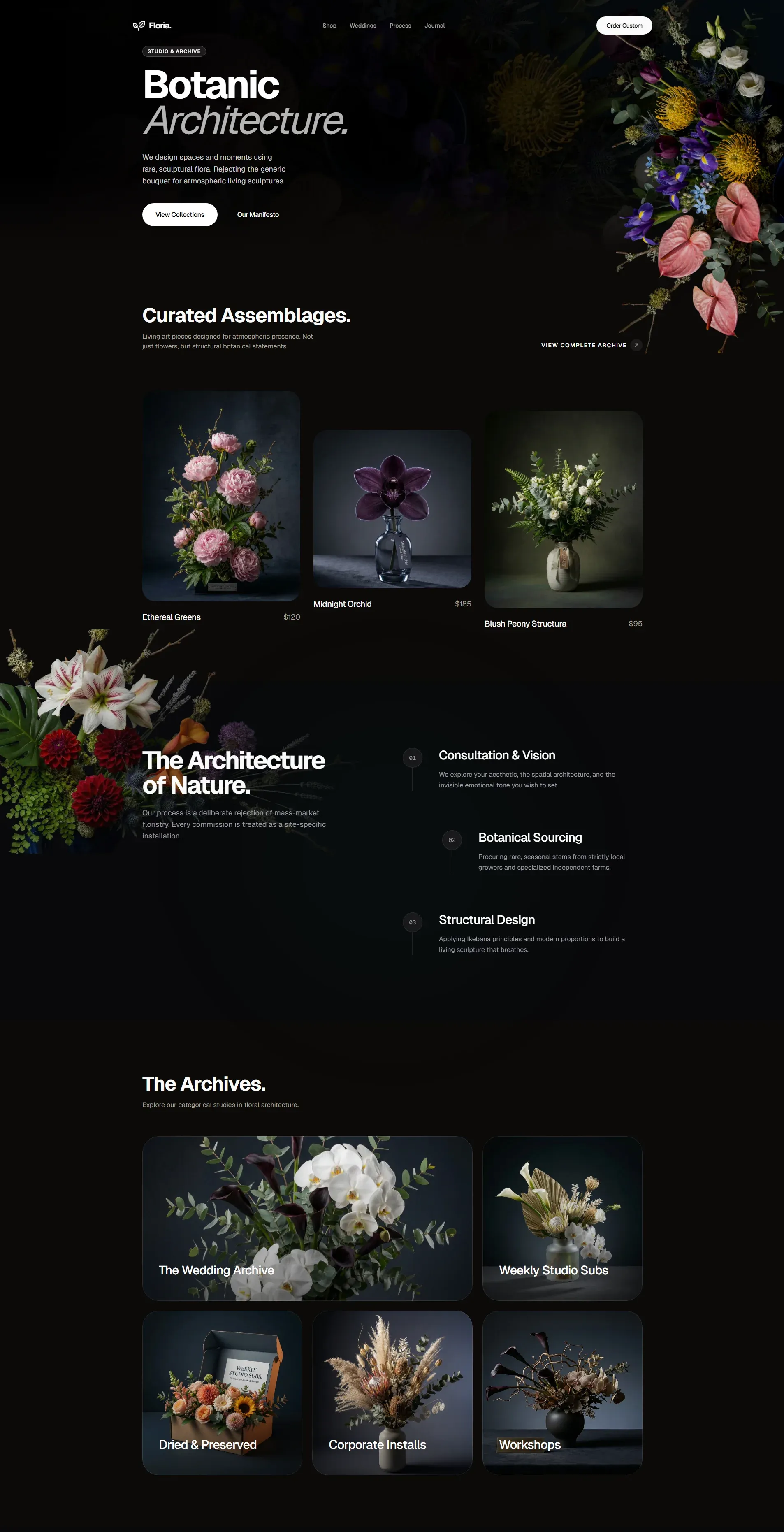
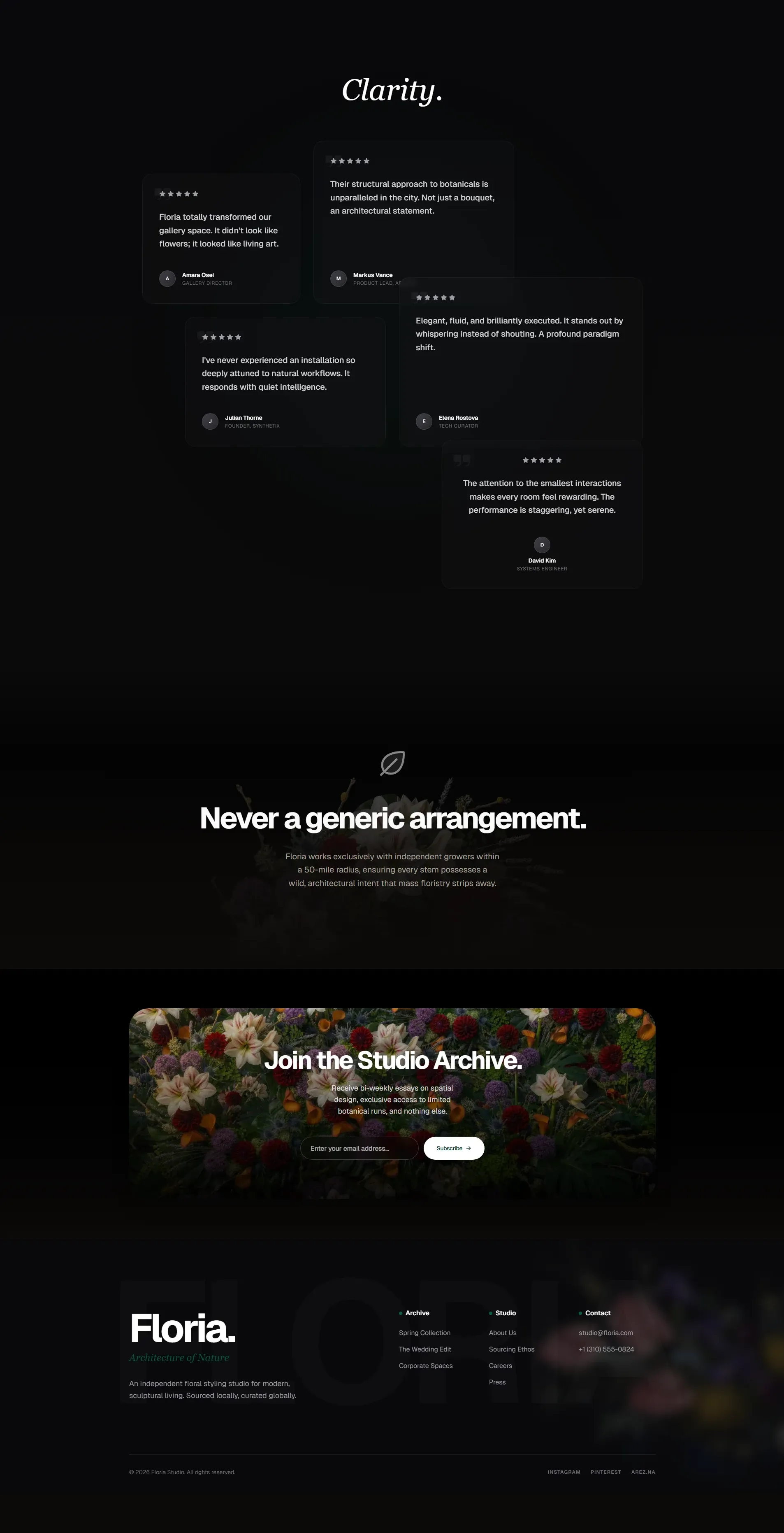
Taste-Skill is a collection of portable 'Agent Skills' — structured prompt/instruction files — designed to guide AI coding agents (Codex, Cursor, Claude Code) away from boilerplate-looking UI output. It targets frontend developers and designers who use AI-assisted coding tools and are frustrated by the generic, identical-looking interfaces those tools tend to produce. Skills cover layout, typography, motion (GSAP), spacing, and image-generation workflows. Installation is handled via Vercel's npx skills CLI. It is not a code library in the traditional sense; it is a curated prompt-engineering artifact distributed as a developer tool.
Created in February 2026, coinciding with the surge in AI coding agent adoption (Codex, Cursor, Claude Code). It appears to have emerged as a direct response to the 'AI slop' aesthetic problem that became widely discussed in developer and design communities in early 2026.
The repo gained nearly 50k stars in roughly four months, with over 5,000 stars in the last seven days alone — an unusually steep trajectory. This pattern strongly suggests viral spread via social media (likely X/Twitter given the maintainer's active presence there) and developer community channels, amplified by resonance with a broadly felt pain point: AI-generated UIs all looking the same. Vercel OSS sponsorship and Emil Kowalski's involvement (a respected frontend/animation figure) likely added credibility and distribution reach.
Vercel OSS Program badge and Emil Kowalski sponsorship are verifiable credibility signals. A dedicated site (tasteskill.dev) and changelog exist. The npx install path suggests real toolchain integration. However, concrete metrics on how many projects have actually installed and actively use these skills in production are not publicly documented. Adoption appears real but scale is not verified.
Appears to be a flat collection of Markdown-formatted SKILL files, each encoding a specific design philosophy as structured natural-language instructions with embedded code skeletons (e.g., GSAP patterns). Likely no runtime code execution — the 'JavaScript' language tag probably reflects the npx CLI tooling or embedded code examples rather than a compiled library. Distribution is via the vercel-labs/agent-skills CLI protocol.
Not documented in README. Given the nature of the artifact (prompt/instruction files rather than executable code), traditional unit testing is not directly applicable, though regression testing of skill behavior against AI models would be relevant and is not mentioned.
Last push was June 21, 2026 — three days before evaluation date. Active iteration is explicitly noted in the README (v2 experimental, CHANGELOG maintained, versioning scheme described). Maintenance signals are strong for a four-month-old project.
ADOPT IF: you regularly use Codex, Cursor, or Claude Code to generate frontend UI and consistently find the output aesthetically flat or structurally repetitive — this tool directly addresses that workflow gap. AVOID IF: you need a deterministic, testable engineering solution rather than probabilistic prompt guidance; AI model updates may silently erode skill effectiveness without warning. MONITOR IF: you are evaluating AI-assisted design tooling more broadly — this project is an early signal of a category (agent behavior shaping for aesthetic quality) that may mature significantly over the next 12 months.
Independent dimensions
Mainstream potential
6/10
Technical importance
5/10
Adoption evidence
3/10
- Prompt-based instructions are inherently brittle: underlying model updates (GPT, Claude, Codex) can silently degrade skill effectiveness without any change to the skill files themselves.
- The rapid star growth pattern (50k in ~4 months, 5k in one week) may reflect viral novelty rather than sustained adoption — retention and repeat usage are unknown.
- The project's value is entirely dependent on the continued existence and API compatibility of the vercel-labs/agent-skills CLI protocol, which is an external dependency not controlled by the maintainer.
- No documented evaluation methodology for whether skills actually improve output quality — effectiveness is subjective and difficult to measure reproducibly across different AI models and user contexts.
- The crypto disclaimer in the README suggests the project's visibility has attracted impersonation attempts, which may indicate the author's attention is partially diverted to reputation defense.
Likely to remain influential within AI-assisted frontend development circles for 12-18 months, but faces commoditization risk as AI coding tools begin embedding aesthetic guidance natively. May evolve into a paid product or standardized protocol rather than a standalone open-source repo.
Newsletter
Get analyses like this every Monday
Free weekly digest of the most interesting open-source discoveries.
Languages
Information
- Website
- https://tasteskill.dev
- Language
- JavaScript
- License
- MIT
- Last updated
- 6d ago
- Created
- 5mo ago
- Analyzed with
- anthropic/claude-sonnet-4-6
Stars over time
Contributors over time
Top 100 contributors only — repos with more will plateau at 100.
Open issues
Miko, the first Cuban IA. Necessary web pague, logo, colors and designe open source.
Add an optional quick-try link for Design Taste Frontend
Community Preset: cijian-taste-preset — Restrained Editorial Chinese Aesthetic
Proposal: progressive-disclosure split for the flagship skill (~7x smaller always-loaded body)
NICE UI
Top contributors
Recent releases
No releases published yet.
Similar repos

ConardLi/garden-skills
Garden Skills is a curated collection of production-ready Agent Skills designed...
| Repository | Stars | Week Δ | Language | Score | Updated |
|---|---|---|---|---|---|
|
Leonxlnx/taste-skill
this
|
61.5k | +6k | JavaScript | 7/10 | 6d ago |
 xstongxue/best-skills xstongxue/best-skills
|
2.2k | — | JavaScript | 7/10 | 6d ago |
 rohitg00/skillkit rohitg00/skillkit
|
1.4k | — | TypeScript | 7/10 | 1mo ago |
 JimLiu/baoyu-skills JimLiu/baoyu-skills
|
23.4k | — | TypeScript | 7/10 | 6d ago |
|
ConardLi/garden-skills
|
9.3k | — | CSS | 7/10 | 4w ago |
 addyosmani/agent-skills addyosmani/agent-skills
|
76.5k | — | JavaScript | 8/10 | 9h ago |
22k stars, TypeScript-based skills collection — likely the closest structural analog. Taste-Skill has outpaced it in stars, possibly due to stronger aesthetic/design focus and Vercel ecosystem alignment.
15k stars, Python — appears broader in scope and language target. Taste-Skill is more narrowly focused on frontend UI quality, which may be an advantage for its specific audience.
5.8k stars, TypeScript — likely a curated list format rather than installable skills. Different delivery mechanism, less actionable for direct integration.
8.6k stars, CSS — CSS-focused, possibly more implementation-layer than instruction-layer. Different problem framing.
1.2k stars, TypeScript — much smaller adoption, likely indicates an earlier stage or narrower reach. Not a meaningful competitive threat at current trajectory.