《动手学大模型Dive into LLMs》系列编程实践教程
42.3k
Stars
5.1k
Forks
14
Open issues
11
Contributors


AI Analysis
A hands-on programming tutorial series for learning large language models, originating from Shanghai Jiao Tong University courses on NLP and AI security. It provides practical guides on model fine-tuning, prompt engineering, knowledge editing, mathematical reasoning, and model watermarking through Jupyter notebooks, slides, and code examples. This series is best suited for students and researchers seeking structured, free educational resources to develop LLM applications and conduct academic ...
Inferred from signals mentioned in the README (tests, CI, type safety) — not a review of the actual code.
AI's overall editorial judgment — not an average of the bars above, can weigh other factors too.
SJTU-backed Chinese LLM tutorial series covers fine-tuning, safety, agents, and alignment with 41K stars
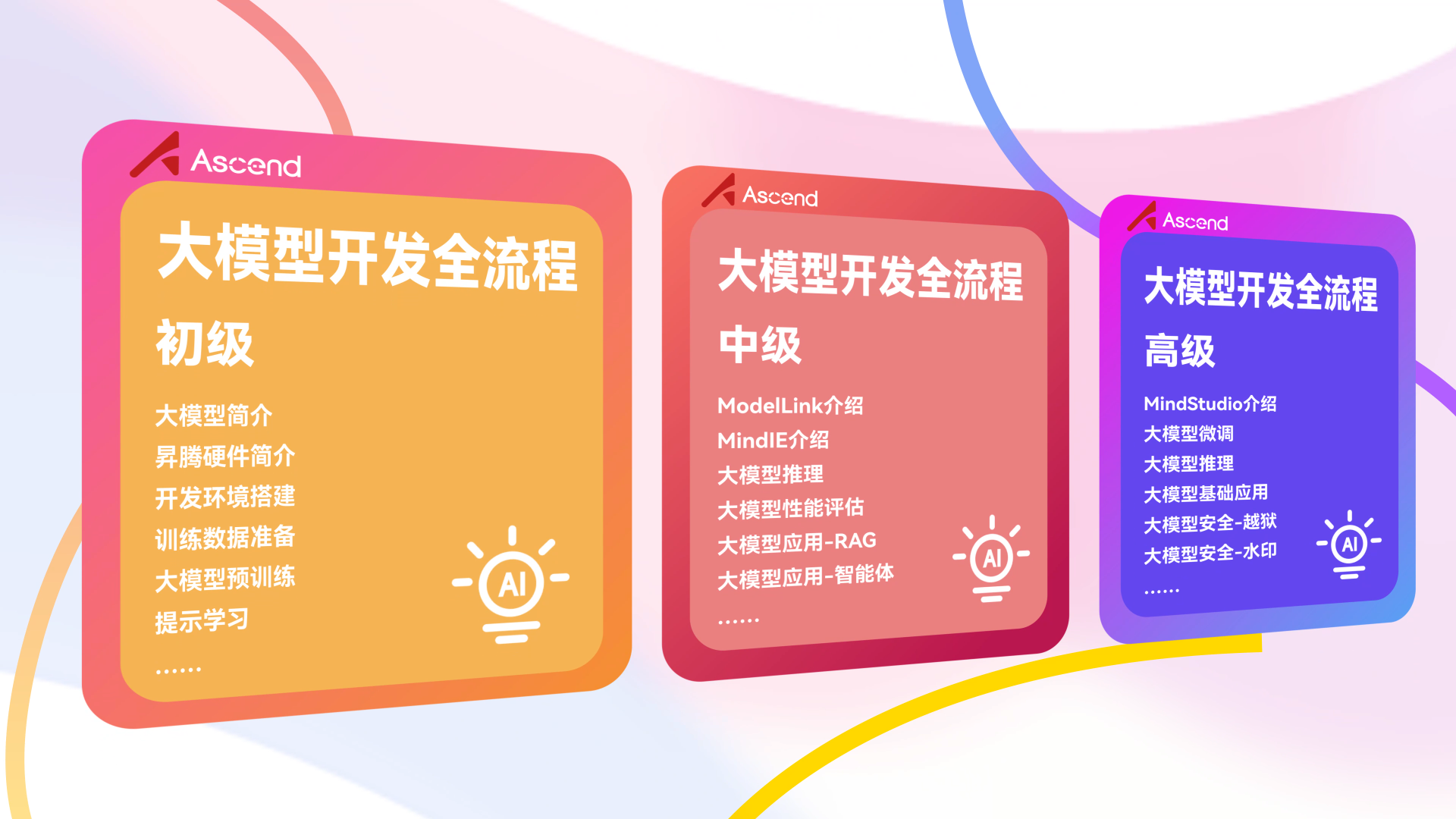
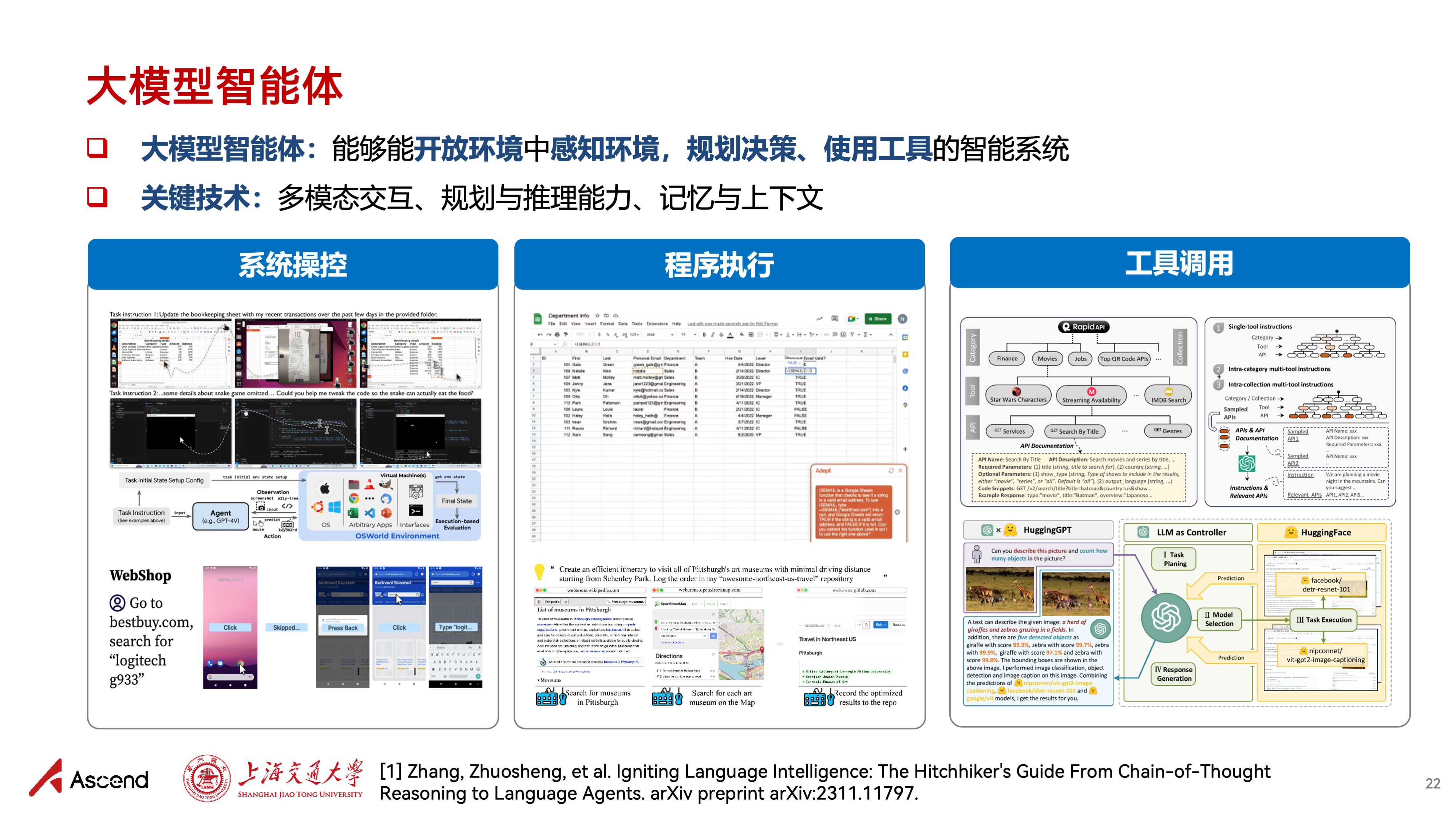
Dive into LLMs is a free, hands-on Jupyter Notebook tutorial series originating from Shanghai Jiao Tong University graduate courses on NLP and AI security. It targets Chinese-speaking students, researchers, and developers who want practical entry points into LLM topics including fine-tuning, prompt engineering, knowledge editing, jailbreak attacks, watermarking, RLHF alignment, multimodal models, and GUI agents. A 2025 expansion added a full LLM development pipeline in partnership with Huawei Ascend. With 41K stars and 5K forks, it is one of the more prominent Chinese-language LLM educational repositories.
Created in April 2024 as an extension of SJTU graduate course lecture notes (NIS8021, NIS3353). Expanded significantly in mid-2025 with new chapters and a Huawei Ascend partnership for hardware-specific training content.
Growth appears driven by institutional backing from SJTU, a timely launch during peak LLM interest in 2024, free public-interest positioning, broad chapter coverage, and the Huawei Ascend partnership which likely expanded reach into Chinese enterprise and developer communities. 414 stars in the last 7 days as of evaluation date suggests sustained organic interest.
This is an educational tutorial repository, not a production library. Real-world usage manifests as course adoption and self-study rather than software deployment. Adoption not verified in production systems, which is expected and appropriate for this format. Indirect evidence of use includes 5,020 forks, which is high relative to star count and suggests active hands-on engagement.
Appears to be a collection of self-contained Jupyter Notebooks organized by chapter, each paired with PDF slides and a README tutorial file. Likely no shared framework or importable library — each notebook is likely a standalone educational script targeting a specific LLM topic.
not documented in README
Last push was 2025-10-10, approximately 8.5 months before evaluation date. That gap warrants monitoring, though the June 2025 content update was substantive. The repo is marked 'Status: building' and accepts PRs. Maintenance appears episodic rather than continuous, consistent with an academic course-driven project.
ADOPT IF: you are a Chinese-speaking student, academic, or researcher seeking structured, hands-on notebooks covering LLM fine-tuning, safety, alignment, and agents, especially if enrolled in or teaching a related graduate course. AVOID IF: you need production-ready code, English-language documentation, continuous maintenance guarantees, or coverage of infrastructure and MLOps topics. MONITOR IF: you are interested in whether the Huawei Ascend partnership leads to broader institutional adoption or whether the ~8-month push gap signals a slowdown in new content.
Independent dimensions
Mainstream potential
4/10
Technical importance
6/10
Adoption evidence
4/10
- Primary content is in Chinese, limiting global reach and contribution pool.
- Last push approximately 8.5 months before evaluation date; course-driven repos risk going dormant between academic cycles.
- No license specified, creating ambiguity around reuse and adaptation rights for educational institutions.
- Content currency risk: LLM field moves quickly; notebooks may reference outdated model APIs or deprecated libraries without regular maintenance.
- Dependency on a single institutional affiliation (SJTU) means contributor diversity may be low, increasing bus-factor risk.
Likely to remain a well-regarded Chinese-language academic LLM tutorial resource, with growth sustained by course cycles and periodic major updates rather than continuous community contribution. The Huawei Ascend partnership may extend its institutional reach within China.
Newsletter
Get analyses like this every Monday
Free weekly digest of the most interesting open-source discoveries.
Languages
Information
- Language
- Jupyter Notebook
- Last updated
- 9mo ago
- Created
- 27mo ago
- Analyzed with
- anthropic/claude-haiku-4-5
Stars over time
Contributors over time
Top 100 contributors only — repos with more will plateau at 100.
Open issues
Top contributors
Recent releases
Similar repos

luhengshiwo/LLMForEverybody
LLMForEverybody is a Chinese-language educational resource for learning large...

mlabonne/llm-course
A structured, free course for learning Large Language Models, divided into...

bbruceyuan/LLMs-Zero-to-Hero
A comprehensive educational resource for learning large language model...
| Repository | Stars | Week Δ | Language | Score | Updated |
|---|---|---|---|---|---|
|
Lordog/dive-into-llms
this
|
42.3k | +515 | Jupyter Notebook | 7/10 | 9mo ago |
|
luhengshiwo/LLMForEverybody
|
6.9k | — | Jupyter Notebook | 7/10 | 1mo ago |
 liguodongiot/llm-action liguodongiot/llm-action
|
24.7k | — | HTML | 7/10 | 1w ago |
|
mlabonne/llm-course
|
80.8k | — | — | 8/10 | 5mo ago |
|
bbruceyuan/LLMs-Zero-to-Hero
|
2.2k | — | Jupyter Notebook | 7/10 | 2mo ago |
 datawhalechina/self-llm datawhalechina/self-llm
|
31.2k | — | Jupyter Notebook | 8/10 | 3w ago |
The dominant English-language LLM course repo with 80K stars. Broader audience, more comprehensive roadmap, but less focused on hands-on code per topic and does not cover AI security or adversarial topics as explicitly as dive-into-llms.
Another major Chinese-language LLM tutorial with 31K stars, focused on model deployment and fine-tuning across many models. More deployment-oriented; dive-into-llms has stronger coverage of security, alignment, and research-adjacent topics.
24K stars, HTML-based, more focused on engineering and operations of LLMs in production. Targets practitioners rather than students. Less academic in tone.
6.7K stars, Jupyter Notebook format, appears to cover similar ground but with far less traction and no evident institutional backing.
2.2K stars, Jupyter Notebook, beginner-focused. Much narrower scope than dive-into-llms; less competition on advanced or security-oriented chapters.