本项目旨在分享大模型相关技术原理以及实战经验(大模型工程化、大模型应用落地)
24.7k
Stars
2.8k
Forks
18
Open issues
2
Contributors

AI Analysis
A comprehensive knowledge base and tutorial collection focused on large language model engineering, covering training, inference, compression, evaluation, and deployment techniques. This project serves ML engineers and researchers specializing in LLM implementation and production systems; it is not for general-purpose software development or casual LLM users. The repository functions as an educational compendium with curated links to external tutorials and code examples rather than a standalo...
Inferred from signals mentioned in the README (tests, CI, type safety) — not a review of the actual code.
AI's overall editorial judgment — not an average of the bars above, can weigh other factors too.
Chinese-language LLM engineering knowledge base covering training, inference, compression, and deployment
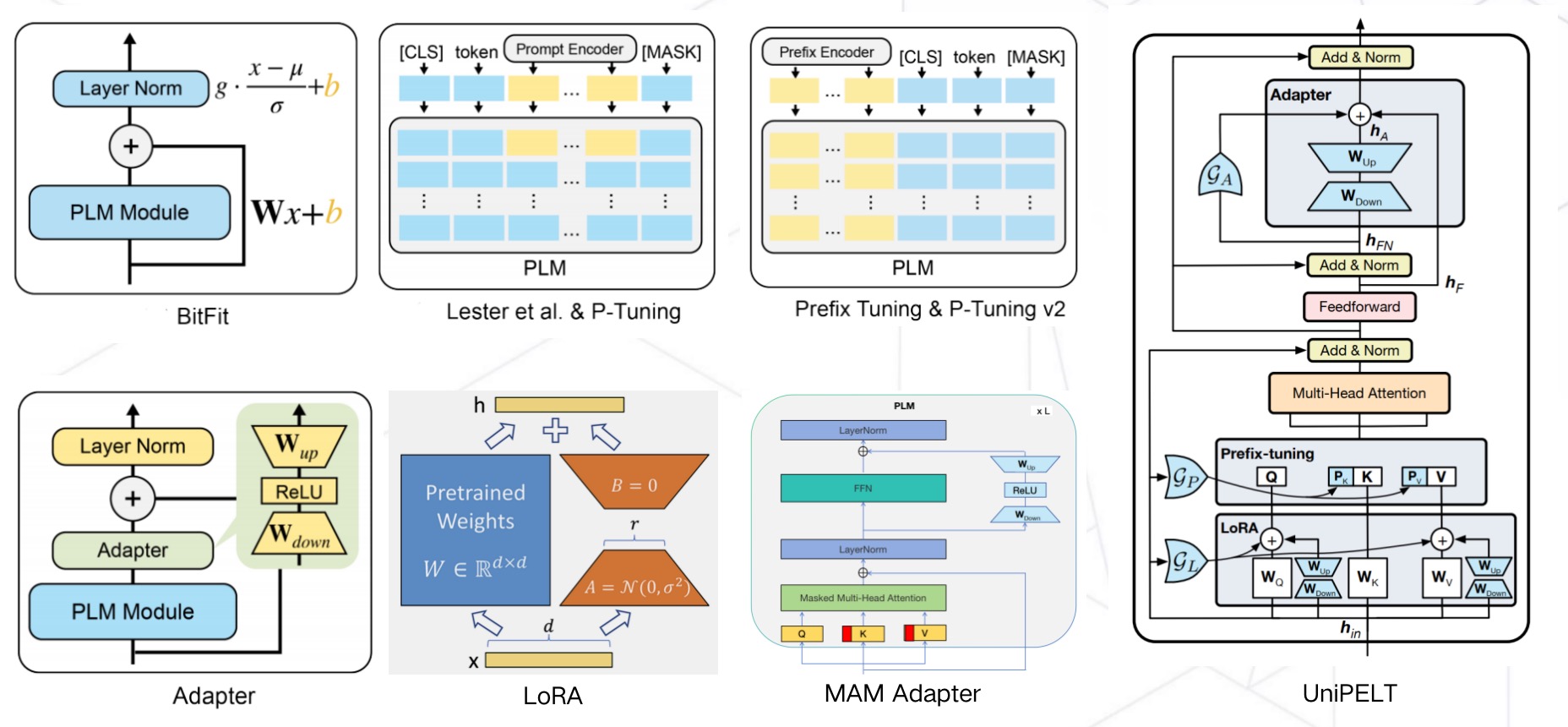
llm-action is a curated, practitioner-authored knowledge base targeting Chinese-speaking ML engineers who need to go from theory to production with large language models. It aggregates tutorials, worked code examples, and technical explanations across the full LLM lifecycle: fine-tuning (LoRA, QLoRA, P-Tuning v2), distributed training, inference optimization, quantization, pruning, RAG, and LLMOps. It is primarily educational rather than a software library, functioning as a structured reference guide paired with reproducible code samples.
Created May 2023 by a single author (liguodongiot) riding the wave of post-ChatGPT open-source LLM activity in China. Grew rapidly as Chinese practitioners sought localized, hands-on guidance unavailable in English-first resources.
Early momentum came from the author's active presence on Zhihu, CSDN, and Juejin, where tutorials were cross-posted and drove GitHub traffic. The 24K+ star count was reached over roughly 3 years, with growth now plateauing — 32 stars in the last 7 days suggests the initial wave has stabilized into steady but modest ongoing interest. The field's rapid pace means older tutorials risk becoming stale, which may dampen future growth.
Adoption not verified in a formal sense — no case studies, corporate endorsements, or download metrics are cited. However, 24K+ stars with 2,800+ forks and active cross-platform community signals (WeChat group, Zhihu, CSDN) suggest meaningful real-world readership among Chinese ML practitioners. Fork count relative to stars is reasonable for a learning resource.
Appears to be a documentation-first repository: README serves as a structured index linking to external blog posts (Zhihu, CSDN) and to subdirectory code samples. Likely organized by topic (training, inference, compression) with accompanying Jupyter notebooks or Python scripts. Not a software library or framework — no package distribution is evident.
not documented in README
Last push was May 25, 2026 — approximately 30 days before the evaluation date — indicating active ongoing curation. The project has been updated for over 3 years, suggesting sustained author commitment rather than a one-time dump. Maintenance appears content-driven (adding new topics) rather than code-driven.
ADOPT IF: you are a Chinese-speaking ML engineer or researcher who needs structured, practitioner-written guidance on LLM training, fine-tuning, or inference engineering and prefers Chinese-language explanations with runnable code. AVOID IF: you need an actively maintained software library, need English documentation, or require coverage of the very latest models released in 2025-2026 without verifying whether tutorials have been updated. MONITOR IF: you work in a team building LLM infrastructure in China and want to track practical techniques as the author continues to add content on newer topics like LLMOps and domestic hardware adaptation.
Independent dimensions
Mainstream potential
3/10
Technical importance
6/10
Adoption evidence
4/10
- Content staleness risk is high in the fast-moving LLM space — tutorials targeting 2023-era models (LLaMA 7B, ChatGLM-6B) may not translate cleanly to 2025-2026 model architectures without significant adaptation.
- Single-author dependency: the entire project rests on one contributor's availability and motivation; no evidence of a contributor community that would sustain it if the author disengages.
- External link rot: a significant portion of content lives on third-party platforms (Zhihu, CSDN, Juejin) that may alter or remove content independently of this repo.
- Language barrier limits the audience ceiling — the Chinese-only content scope is also its constraint, making it unlikely to reach the global adoption levels of English-first alternatives.
- No versioning or quality control mechanisms are visible; accuracy of technical claims cannot be independently verified without inspecting the linked blog posts and code.
Likely to remain a stable, moderately-trafficked reference for Chinese LLM practitioners, growing slowly as the author adds new topics. Unlikely to significantly expand beyond its current niche given language scope and single-author structure.
Newsletter
Get analyses like this every Monday
Free weekly digest of the most interesting open-source discoveries.
Languages
Information
- Language
- HTML
- License
- Apache-2.0
- Last updated
- 1w ago
- Created
- 38mo ago
- Analyzed with
- anthropic/claude-haiku-4-5
Stars over time
Contributors over time
Top 100 contributors only — repos with more will plateau at 100.
Open issues
Open pull requests
Top contributors
Recent releases
No releases published yet.
Similar repos

datawhalechina/self-llm
A comprehensive Chinese-language tutorial project for deploying, fine-tuning,...

luhengshiwo/LLMForEverybody
LLMForEverybody is a Chinese-language educational resource for learning large...

AiHubCN/Awesome-Chinese-LLM
Awesome-Chinese-LLM is a curated collection of open-source Chinese language...

WangRongsheng/awesome-LLM-resources
This is a curated index of Large Language Model resources, covering multimodal...
| Repository | Stars | Week Δ | Language | Score | Updated |
|---|---|---|---|---|---|
|
liguodongiot/llm-action
this
|
24.7k | +43 | HTML | 7/10 | 1w ago |
 Lordog/dive-into-llms Lordog/dive-into-llms
|
42.3k | — | Jupyter Notebook | 7/10 | 9mo ago |
|
datawhalechina/self-llm
|
31.2k | — | Jupyter Notebook | 8/10 | 3w ago |
|
luhengshiwo/LLMForEverybody
|
6.9k | — | Jupyter Notebook | 7/10 | 1mo ago |
|
AiHubCN/Awesome-Chinese-LLM
|
22.7k | — | — | 7/10 | 2mo ago |
|
WangRongsheng/awesome-LLM-resources
|
8.7k | — | — | 7/10 | 10h ago |
self-llm (31K stars) focuses on step-by-step model deployment tutorials; llm-action covers a broader engineering scope including distributed training and inference optimization. They are complementary rather than directly competing.
dive-into-llms (41K stars) emphasizes theoretical depth and academic coverage; llm-action leans more toward production engineering and hands-on code, serving a slightly different practitioner audience.
Awesome-LLM (27K stars) is an English-language link aggregator; llm-action provides original Chinese-language tutorials with accompanying code, making it more actionable for its target audience.
Awesome-Chinese-LLM (23K stars) catalogs Chinese-specific models and datasets; llm-action is more engineering-process focused regardless of model origin.
A broader resource list (8.5K stars) with less depth per topic; llm-action offers more original authored content and worked examples on specific techniques.